





Vintage Enamel Sign
A vintage enamel sign brings industrial wall presence into a room, offering hard-wearing colour and bold lettering from public spaces and commercial fronts.
Vintage Enamel Sign
When you search for a vintage enamel sign, you encounter durable metal plates made to advertise products, direct the public, or mark streets from the Victorian era through the mid twentieth century. These objects served utilitarian purposes on railway platforms, outside shops, and along street corners.
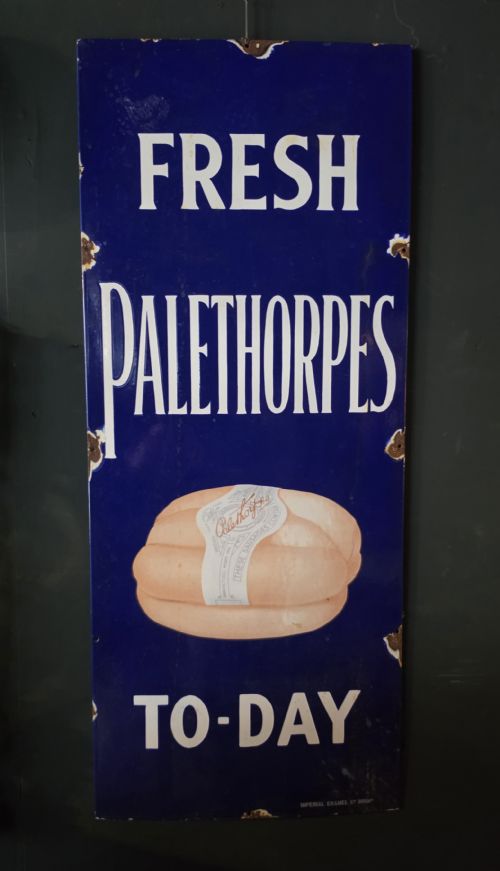
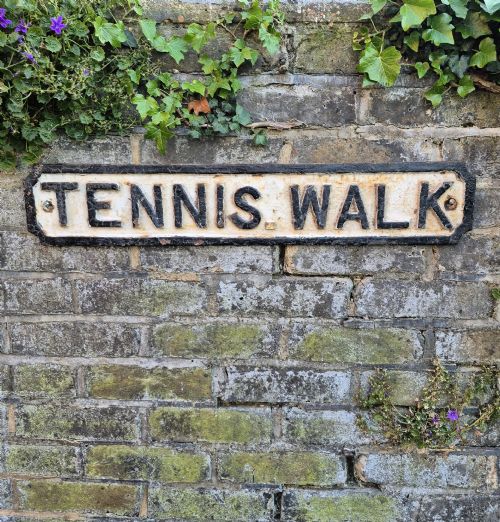
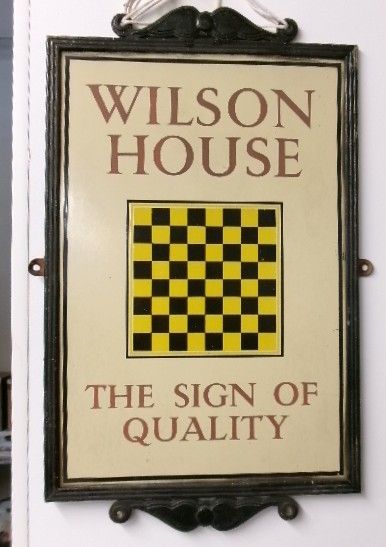
The most common examples on this page are advertising and street signs dating from the early twentieth century, particularly the 1920s and 1930s. They display graphics for food products, soaps, newspapers, and municipal locations.
Beyond wall-mounted metal plates, the evidence for this search also captures related items bearing enamel work, including trade signs, shop chairs, glass signage, and smaller decorative pieces.
How they were made
Makers produced these pieces by fusing powdered glass to sheet iron at high temperatures, creating a hard, vitreous surface that withstood weather and wear. This process bonded colour directly to metal.
Moulders often applied lettering and pictorial designs through stencilling or multi-layer firing, which built up the flat colours seen on advertising panels.
Listings combine sheet iron advertising panels with glass street signs and nineteenth-century Japanese cloisonne dishes.
What varies in quality
Quality rests in the weight of the iron substrate and the complexity of the pictorial design, where multi-coloured pictorial signage demands greater skill than plain text.
The crispness of the firing and the depth of the gloss finish separate standard utility plates from superior commercial commissions.
Emmy Seyfried·Kinkozan·Rene Lalique·Percossi Papi·Ivar T Holth·David Andersen·Aksel Holmsen·Hroar Prydz·Hans Myhre·Albert Scharning
The Vintage Enamel Sign Glossary
- Vitreous Enamel
- A glass coating fused to a metal base through high-temperature firing. This layer provides a glossy, chemical-resistant finish.
- Pictorial
- A sign design incorporating illustrations or imagery alongside text. These pieces often depict advertised goods or brand mascots.
- Vitriolite
- An opaque structural glass used for architectural signage and street markers. It presents a smooth, polished face.
- Trade Sign
- A board or plate hung outside a shop to indicate the trade practised within. They identify specific businesses and services.
- Cloisonne
- A technique where enamel pastes are fired within wire compartments soldered to a metal ground. It creates defined cells of colour.
Vintage Enamel Sign: Frequently Asked Questions
How do I hang a heavy iron sign?
Support the weight directly into wall studs using appropriate fixings that match the mounting holes.
Avoid tightening screws so far that the glass surface fractures around the iron edges.
Where were these displayed originally?
Municipal boards placed street and door notices on exterior walls and railway stations.
Commercial pieces hung outside shops, grocers, and public houses to draw passing trade.
How should I clean an enamel surface?
Wash the glass face gently using warm water and mild soap to lift accumulated grime.
Dry the metal edges thoroughly to prevent rust formation on exposed iron.
How do I date an older piece?
Examine the typography, mounting grommets, and manufacturing style against known corporate branding dates.
Early pieces often feature heavier sheet iron and simpler lithographic or stencilled colour applications.