





Early 20th Century Sign
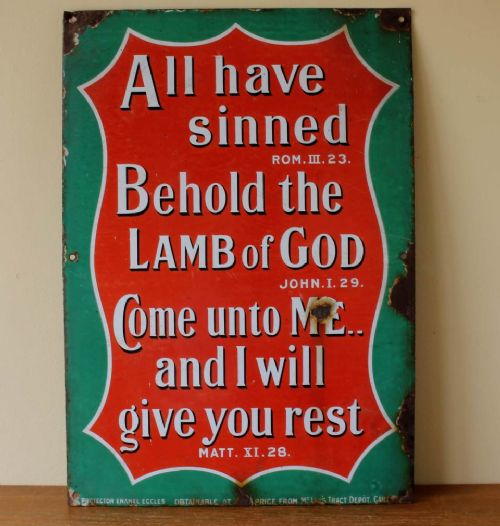
These pieces offer an early 20th century sign, capturing period commerce through hand-painted timber and enamel advertising.
Early 20th Century Sign
When searching for an early 20th century sign, collectors encounter trade markers, shop boards, and advertising displays from the Edwardian era through the interwar years.
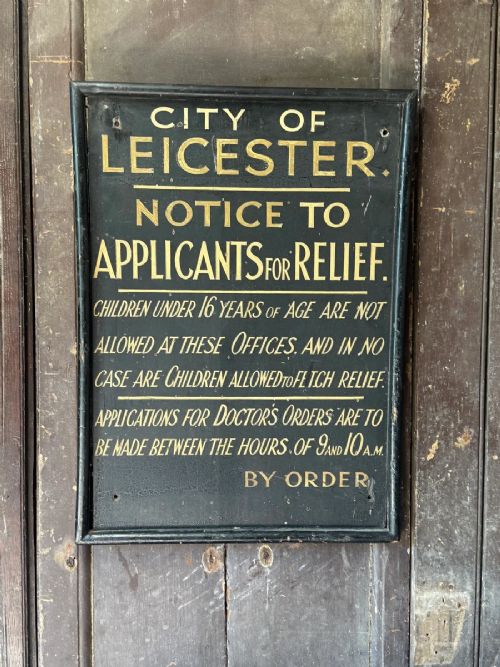
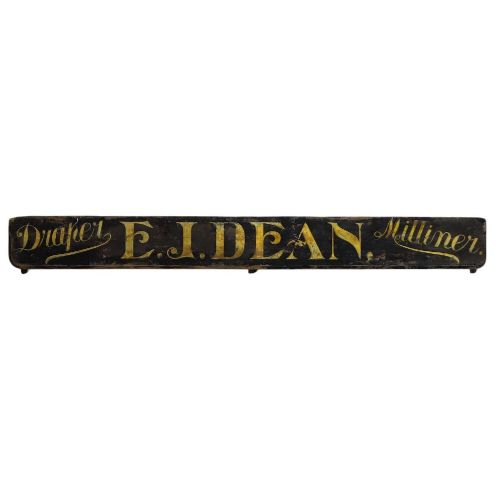
The selections on this page feature hand-painted wooden panels, carved shop boards, and vitreous enamel displays used by merchants, milliners, and galleries.
These survivors of commercial history reflect the high standard of signwriting and trade display before mass-produced plastics took over the high street.
How They Were Made
Makers utilised seasoned timber such as pine and oak, preparing the surfaces with ground paint before applying lettering by hand with oil-based pigments.
Metal pieces incorporate vitreous enamel fused onto iron bases, while carved wooden examples show skilled chisel work with gilded or painted highlights.
Early 20th Century Sign Retail Price Guide 2026
Typical asking prices for early 20th century sign among the pieces listed under this phrase on Sellingantiques today, from the lower quarter to the upper quarter. They describe what is for sale here now, not the wider market.
Current listings feature wooden panels, iron brackets, and vitreous enamel advertising pieces dating from the Edwardian period to the interwar years.
What Varies in Quality
The standard of an early 20th century sign depends upon the crispness of the original brushwork, the depth of the carving, and the legibility of the lettering.
Significance increases when a piece retains its untouched original surface paint rather than suffering from modern repainting or heavy restoration.
The Early 20th Century Sign Glossary
- Vitreous Enamel
- A material made by fusing powdered glass to a metallic substrate at high heat. This creates a glossy, hard-wearing surface impervious to weather.
- Sign Bracket
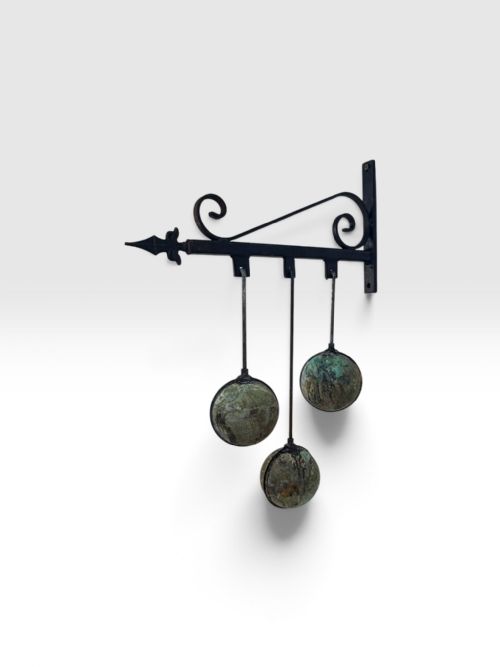
- The iron or metal arm used to project a trade sign outward from a shop wall. These structural mounts often feature forged scrollwork.
- Gilding
- The application of fine gold leaf or powder onto a carved wooden surface. It highlights lettering and decorative details against a darker background.
- Trade Sign
- A board or object hung outside a commercial premises to advertise the proprietor's profession. They range from painted boards to carved sculptural models.
Early 20th Century Sign: Frequently Asked Questions
How were trade signs displayed?
Merchants mounted these boards directly onto shop facades or suspended them from iron brackets above the pavement to catch the eye of passing pedestrians.
Positioning depended on the street layout and local regulations governing businesses in busy towns.
What materials were commonly used?
Signwriters worked primarily on wooden boards of pine or oak, utilising durable oil paints that could withstand outdoor conditions.
Iron and vitreous enamel became prevalent for advertising displays requiring greater longevity against the elements.
How do I date a shop sign?
Typography style, framing construction, and the specific trade terminology offer clear clues to the decade of manufacture.
Paint analysis and fixings such as hand-forged screws further help verify the Edwardian or interwar origin.
How should I clean a painted wooden sign?
Dust the surface gently with a soft, dry cloth to prevent any buildup of particles on the fragile painted layers.
Avoid commercial cleaning agents or moisture, which can lift historic pigments and damage the aged wood beneath.