


Antique Trade Sign
An antique trade sign marks the threshold of a past commerce, bringing carved wood, painted metal, and glass advertising directly into domestic spaces.
Antique Trade Sign
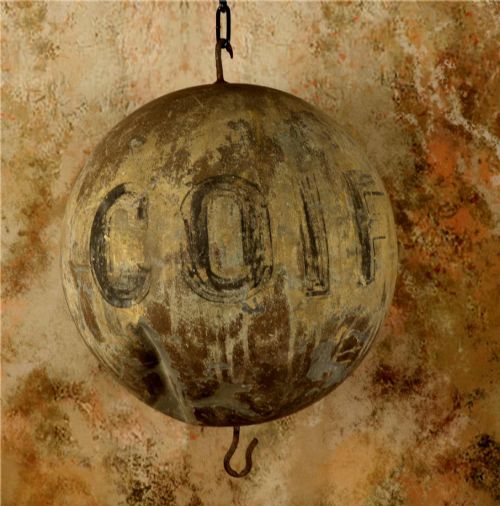
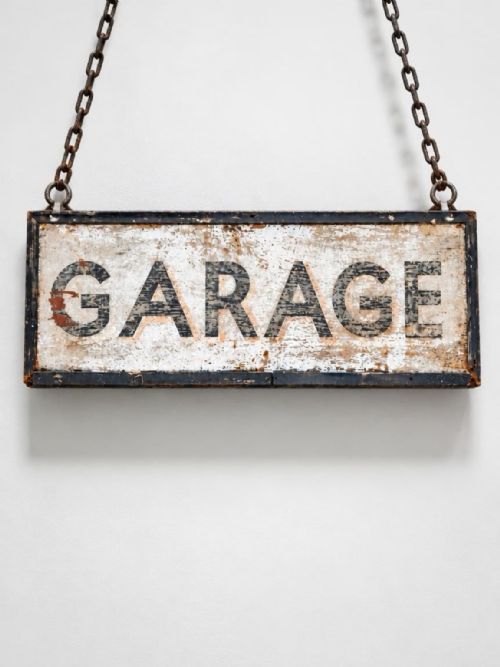
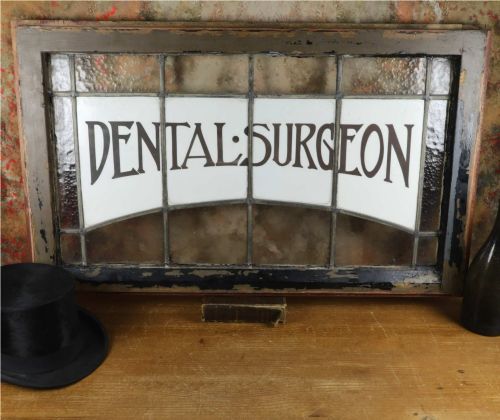
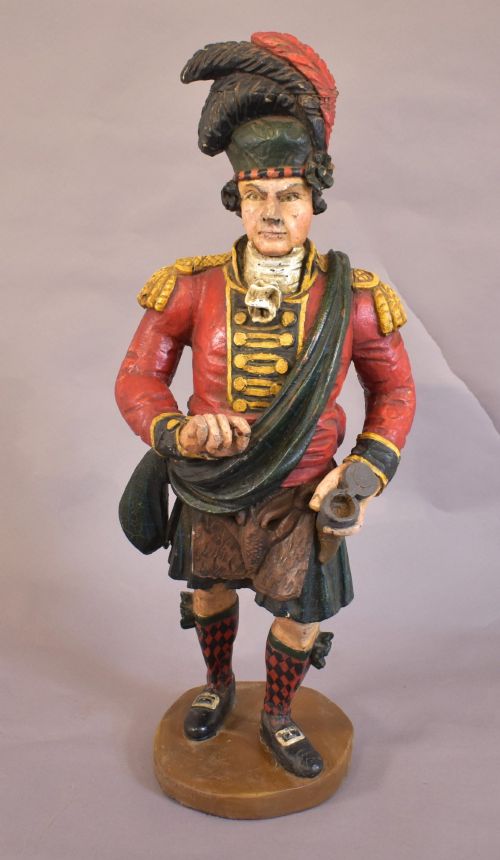
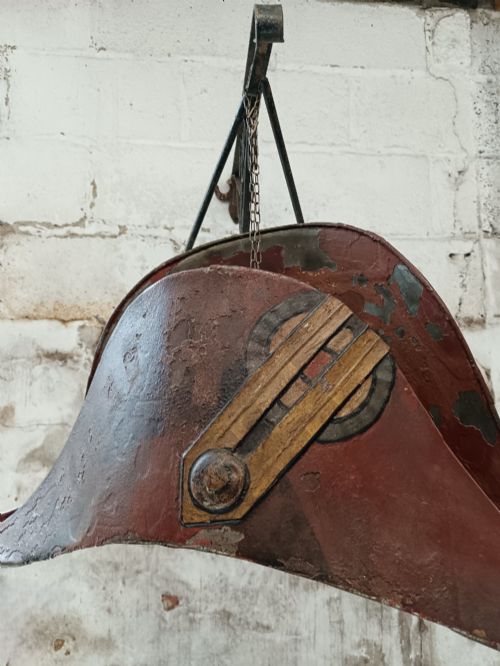
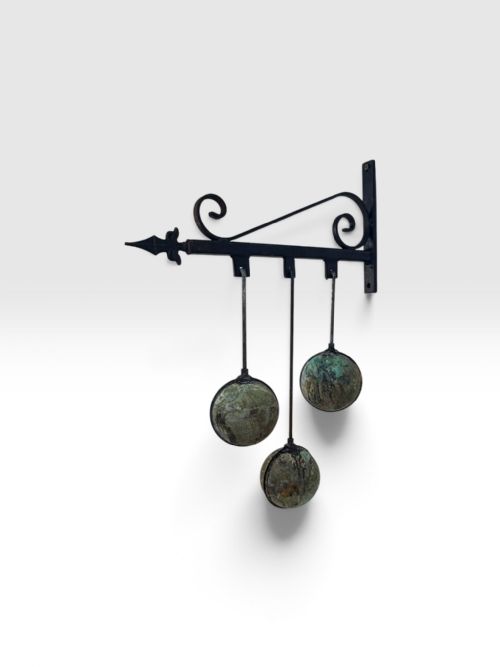
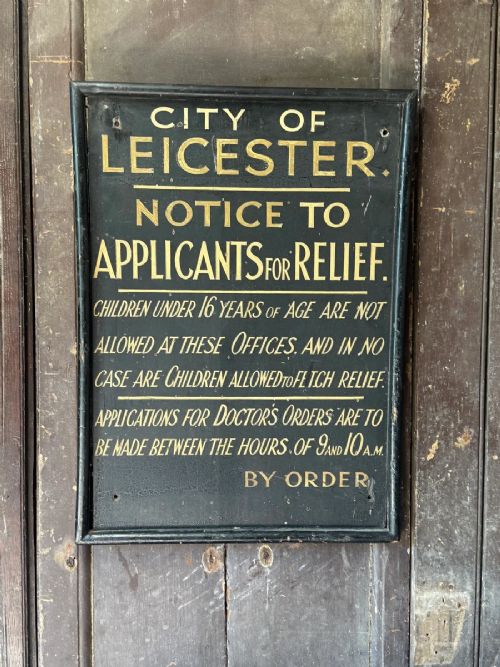
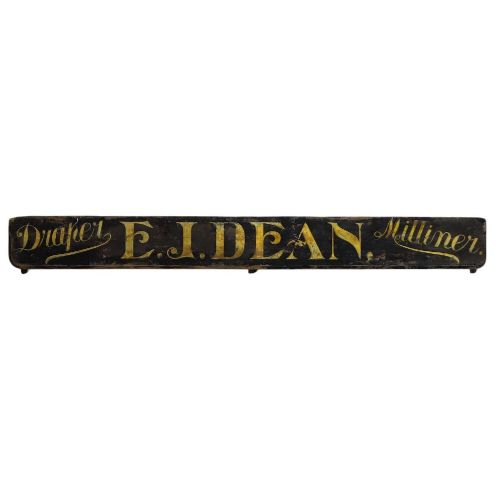
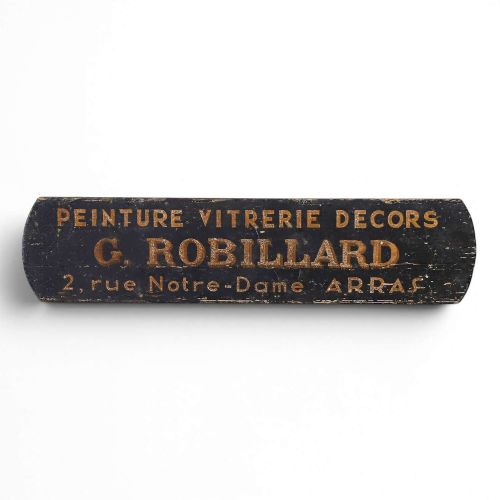
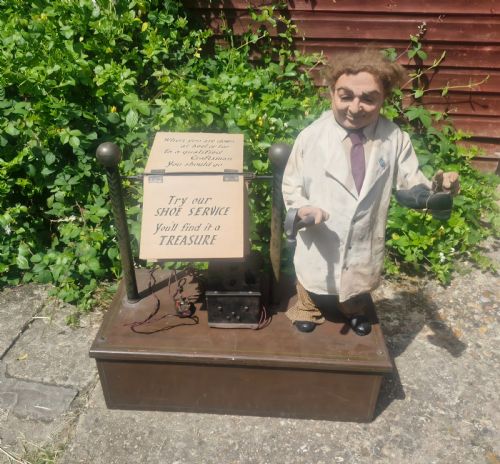
An antique trade sign serves as an identifier for historical businesses, taking the physical form of hanging boards, wall panels, shop display models, and tradesman figures. Buyers find these pieces distributed across periods from the 18th century through the Edwardian era, Victorian times, and the 1930s. The selection includes specific professions such as dental surgeons, pawnbrokers, butchers, milliners, and opticians, alongside architectural salvage and general advertising pieces.
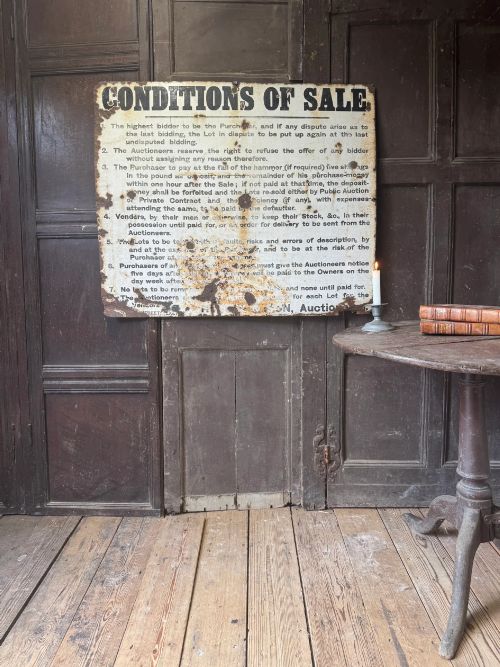
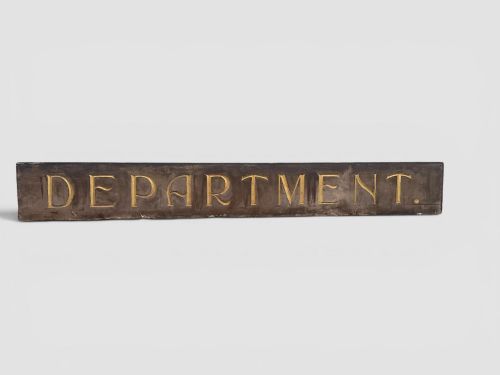
Wooden boards and painted pine signs frequently appear alongside metal, iron, and glass examples. Common items on this page span carved figures, pictorial hanging signs, and large department store signage originating from English, French, and Welsh contexts. These objects reflect the commercial output of local trades, public houses, and urban storefronts from previous centuries.
Materials and Construction Methods
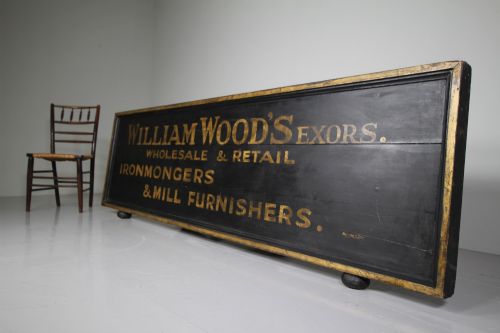
Makers utilised traditional materials such as pine, wrought iron, sheet metal, and glass, shaping them by hand for exterior or window display. Wood panels received hand-painted lettering and pictorial details, sometimes enhanced with gold leaf to catch the light of the street. Iron brackets and frames provided structural support for hanging boards and heavy public house signs.
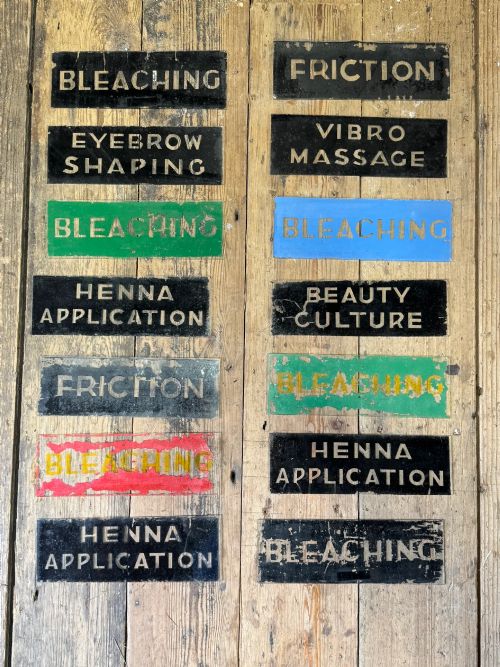
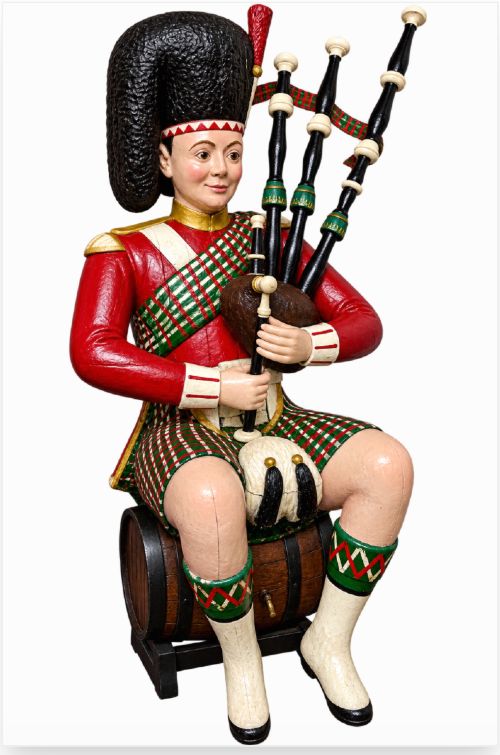
Glass techniques included reverse-painting and reverse-cutting, visible in interior window panels and confectionery displays. Carved wooden figures and shop display models required sculptural skill, employing composition and gilding to render life-size animals, human figures, and oversized objects like boots or pocket watches.
Antique Trade Sign Retail Price Guide 2026
Typical asking prices for trade sign among the pieces listed under this phrase on Sellingantiques today, from the lower quarter to the upper quarter. They describe what is for sale here now, not the wider market.
Listings feature painted wood, wrought iron, and reverse-painted glass across the Victorian and Edwardian periods.
Distinctions in Quality and Preservation
Quality rests upon the preservation of original paint surfaces and the clarity of the maker's hand lettering. Pieces retaining their initial unstripped finish and untouched patination command greater attention than those with later repainting or heavy restoration.
Gerwin Co Birmingham
The Antique Trade Sign Glossary
- Toleware
- Painted or lacquered sheet metal items produced from the 18th into the 19th century. These objects often display decorative tinware techniques suited to commercial and domestic settings.
- Reverse-painted glass
- A technique where paint is applied to the rear surface of a glass panel to be viewed from the front. This method protects the pigment and produces a glossy finish common in shop windows.
- Tradesman figure
- A sculptural representation of a person or object used to advertise a specific profession outside a shop. Examples include highlanders, bagpipers, and Native American figures.
- Gold leaf
- Metal beaten into extremely thin sheets used for gilding lettering and designs on signs. It provides a reflective, weather-resistant finish that remains bright over time.
- Architectural salvage
- Building elements and exterior fixtures rescued from structures scheduled for demolition. This category encompasses large hanging signs and sign brackets removed from period shopfronts.
Antique Trade Sign: Frequently Asked Questions
What is an antique trade sign?
An antique trade sign is a functional piece of commercial art made to advertise a specific shop, profession, or product to the public. These objects range from flat painted wooden boards to large sculptural figures and glass window panels.
Historically mounted outside storefronts or placed in windows, they relied on clear imagery and lettering so literate and illiterate passersby alike could identify the trade within.
How were trade signs used originally?
Traders hung these signs above doorways, mounted them to exterior walls, or set them inside display windows to catch the attention of street traffic. Pictorial symbols like boots, pocket watches, or animals denoted the specific service offered inside.
Pubs, pawnbrokers, butchers, and drapers utilised these objects as permanent markers of their commercial presence before modern plastic and neon signage replaced them.
How do I date an antique trade sign?
Dating relies on examining the substrate materials, paint composition, typography style, and the construction methods used to join the wood or metal. Victorian and Edwardian examples often feature distinct lettering styles and hand-mixed oil paints that differ from later 20th-century compositions.
Correlating the subject matter, such as a specific trade or defunct company name, with historical records helps narrow the period of manufacture.
How do I hang a heavy wooden trade sign?
Hanging a heavy wooden or iron sign requires locating wall studs or masonry anchors capable of supporting the substantial weight of solid pine and wrought iron brackets. Using appropriate load-bearing fixings ensures the security of the wall.
Many period signs retain their original iron hanging straps, which can be secured to corresponding brackets fixed firmly into the building fabric.