




Leaded Glass Panel
These leaded glass panel examples bring rich colour and genuine period character to a room through traditional craftsmanship.
What these pieces are
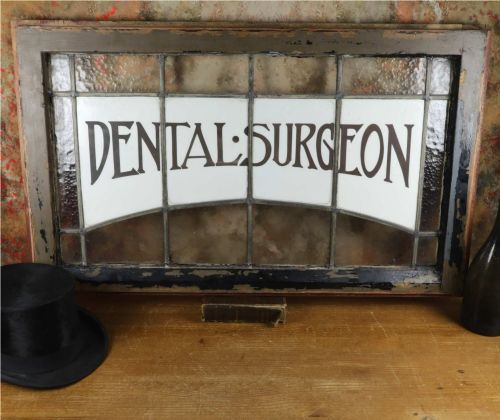
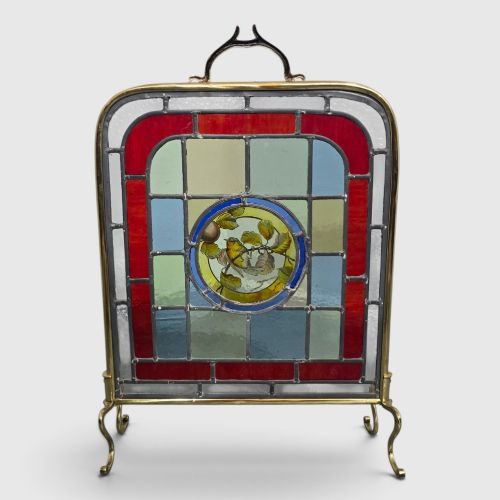
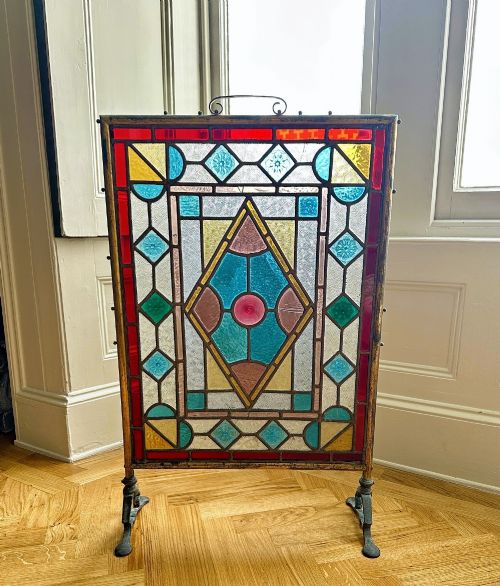
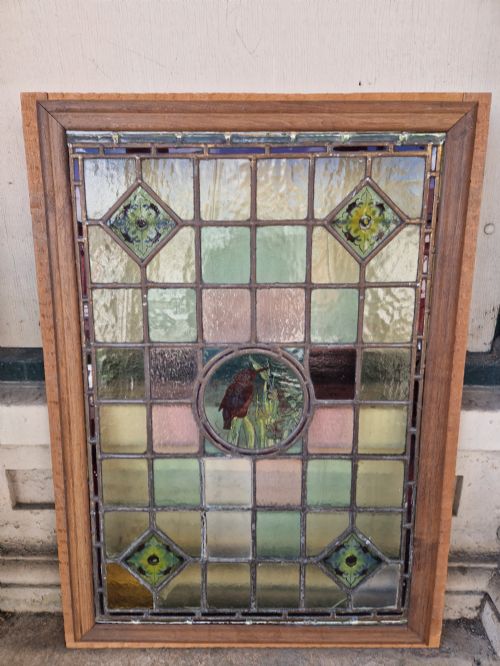
A leaded glass panel is a decorative architectural window or door insert constructed from individual pieces of glass held together by lead cames. When you search for this phrase, you encounter architectural salvage originating from domestic and commercial settings spanning the mid nineteenth century through to the nineteen thirties. The selection includes windows featuring hand painted pictorial scenes, geometric leading, and structural elements framed in timber such as pine.
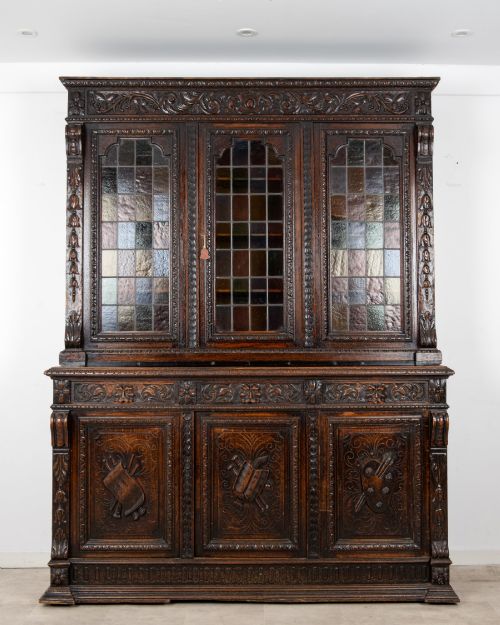
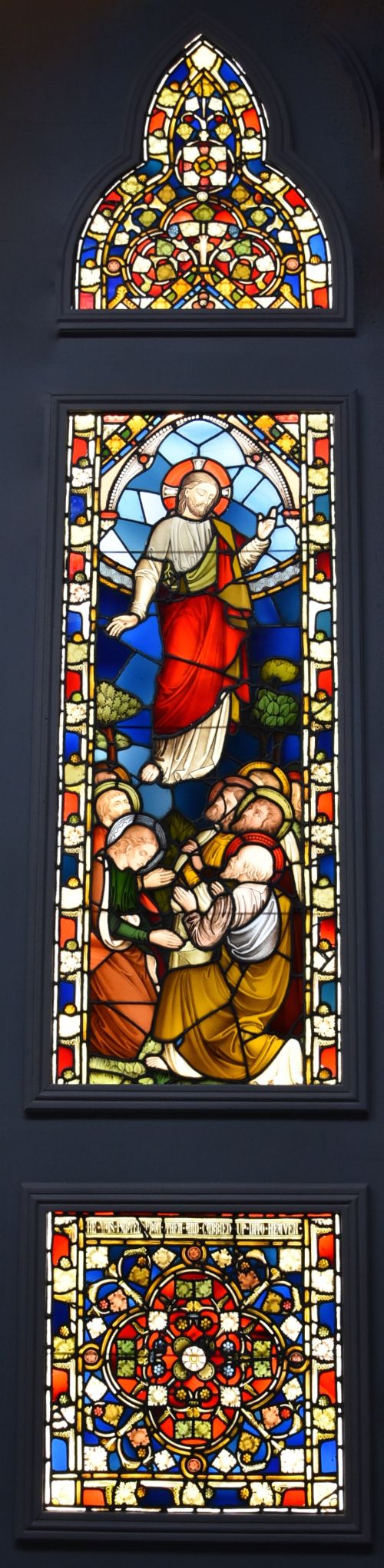
Most pieces date from the early twentieth century and the Victorian era, displaying distinct stylistic influences ranging from Gothic Revival and Arts and Crafts to Art Deco and Dutch folk art. Common pictorial subjects on these panels include pastoral countryside views, knights in armour, floral arrangements with amber bullseyes, and children in traditional dress. They frequently survive as single windows, double panels from doors, large triptychs, or integrated components of antique cabinetry.
How they were made
Makers constructed each leaded glass panel by cutting coloured and textured glass to fit precise templates before joining the pieces with flexible lead cames soldered at the joints. Many examples incorporate hand painted details that were kiln fired onto the glass surface to achieve fine facial expressions, botanical accuracy, and landscape depth.
Support frames of wood, including pine and other heavy timber, provided structural rigidity for larger architectural windows and doors. The incorporation of specialty elements like glass bullseyes added tactile dimension and varied light refraction across the surface of the panel.
Retail Price Guide 2026
Typical UK retail prices for leaded glass panel, calculated from the Sellingantiques database of over a million retail prices indexed since 2003. This retail price guide relies exclusively on Sellingantiques data; no external sources or auction records are used, so the figures do not describe the wider market.
The recorded inventory includes pieces spanning the Victorian era, Edwardian period, and nineteen thirties, utilising both pine timber and lead.
What varies in quality
The distinction between standard decorative work and exceptional pieces rests primarily on the artistic ambition of the hand painted elements and the complexity of the leading. Panels featuring detailed figurative work, such as historical figures or elaborate landscapes, demonstrate superior draughtsmanship compared to purely geometric designs.
Swaine Bourne
The Leaded Glass Panel Glossary
- Came
- The grooved lead strip used to hold individual pieces of glass together in a window or panel. These strips are soldered at the intersections to form a rigid matrix.
- Bullseye
- A circular patch of glass formed at the centre of a blown glass disc, featuring a prominent central pontil scar. They appear frequently in Arts and Crafts designs.
- Triptych
- A piece consisting of three hinged or fixed panels side by side. In stained glass, this format usually depicts a continuous narrative scene across the divisions.
- Architectural salvage
- Building materials and decorative fixtures rescued from older structures destined for demolition. This category includes windows, doors, and timber frames.
Frequently Asked Questions
How are leaded glass panels hung?
These panels can be mounted inside existing window frames using traditional brackets or hung against a lit wall surface to display the colours properly.
Ensuring the weight of the timber frame is adequately supported is essential for protecting the lead matrix over time.
Can these panels be used outside?
Most antique pieces function best when installed inside a secondary protective glazing layer or mounted indoors as decorative partitions. Direct exposure to modern weather can strain older lead cames and fragile hand painted surfaces.
Consulting a specialist glazier helps determine the best approach for structural installation in modern buildings.
How do I date a panel?
Stylistic indicators such as Arts and Crafts motifs or Art Deco geometry offer clear clues to the decade of manufacture. The type of glass, the patina of the lead, and any accompanying timber framing also point towards specific periods like the Victorian era or nineteen thirties.
Archival records and maker signatures provide definitive confirmation where present.
What is the difference between stained and leaded glass?
Leaded glass refers strictly to the method of holding pieces of glass together using lead cames, regardless of whether the glass is coloured or clear. Stained glass specifically involves glass that has been coloured during manufacture or painted and fired in a kiln.
Many antique examples combine both techniques by using coloured and painted glass within a leaded framework.