






Architectural Salvage Window
An architectural salvage window brings genuine period character and natural light into a modern interior.
Architectural Salvage Window
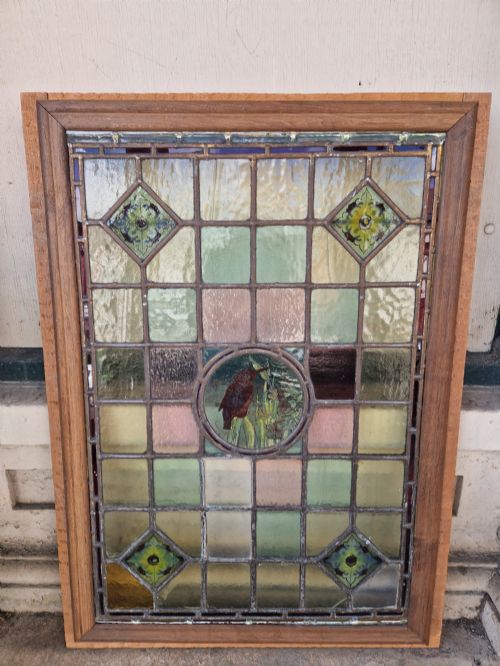
These architectural salvage window pieces span the Victorian, Edwardian, and 1930s periods, featuring various forms from domestic shop panels to church arches. Buyers searching this phrase will most commonly encounter leaded glass windows, often incorporating hand-painted details or amber bullseyes.
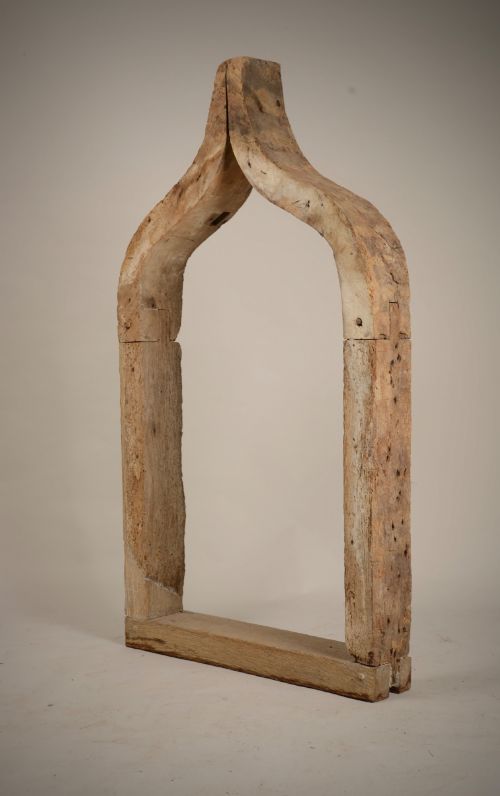
The selection includes specific decorative designs such as Dutch folk art figures, countryside scenes, and floral motifs, alongside structural elements like circular segmented frames and arch top church windows. Materials range from traditional timber frames to complex lead and glass assemblies.
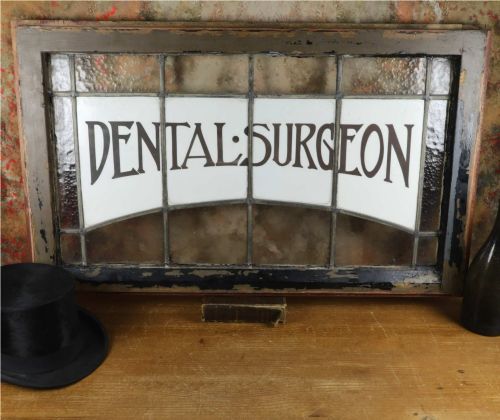
Originating from commercial, ecclesiastical, and residential buildings, these items retain the distinct aesthetic of their original eras. Whether looking for a simple square-paned Victorian church window or an Edwardian practice sign, the variety reflects genuine historical utility.
Materials and construction
Construction relies heavily on traditional lead cames holding individual pieces of glass together to form intricate patterns and pictorial designs. Many examples integrate hand-painted elements, fixed onto the glass before firing, alongside textured components like amber bullseyes.
Wooden timber and glass form the primary physical structure of these pieces, particularly in larger frames and ecclesiastical arches. The combination of cut glass, lead, and painted highlights demonstrates standard period glazing techniques.
Architectural Salvage Window Retail Price Guide 2026
Typical asking prices for architectural salvage window among the pieces listed under this phrase on Sellingantiques today, from the lower quarter to the upper quarter. They describe what is for sale here now, not the wider market.
The listings show a distinct shift from plain Victorian church panes to decorative Edwardian shop windows and 1930s pictorial designs.
Judging quality in architectural salvage
Quality rests upon the complexity and execution of the design, distinguishing standard square panes from intricate hand-painted countryside scenes or figurative Dutch folk art panels. The presence of specialised glass, such as amber bullseyes, elevates a piece above simpler utilitarian glazing.
The integrity of the lead work and the preservation of the painted surface dictate the overall standard of the survival. Superior examples maintain crisp painted details and robust structural lead matrices without excessive modern intervention.
The Architectural Salvage Window Glossary
- Leaded glass
- Glass panels held together by lead cames to form a window or decorative hanging. This technique allows for geometric and pictorial designs.
- Bullseye
- A small, circular centre piece of blown glass showing a pontil mark where the blowpipe was attached. These add texture and catch the light.
- Arch top
- A window frame featuring a curved upper section, commonly found in ecclesiastical or grand domestic architecture. This shape defines several church window variants.
- Came
- A slender strip of cast lead with a grooved profile used to hold pieces of glass together. The network of cames provides both structure and outline to the design.
- Architectural salvage
- Building materials and decorative elements rescued from structures slated for demolition. These items are repurposed to retain historical craftsmanship.
Architectural Salvage Window: Frequently Asked Questions
How are these windows usually displayed?
Many buyers hang these panels against interior walls or position them in front of existing light sources to showcase the coloured glass. Using brackets or suspension chains allows the glass to catch the light safely.
Larger arched or circular frames are sometimes installed directly into interior partition walls to divide spaces while maintaining borrowed light between rooms.
Are these windows suitable for exterior use?
Most salvage pieces were built for specific historical settings and may require reinforcement or secondary glazing to withstand modern weather conditions. Historic lead work can be fragile and often performs best in protected interior environments.
Consulting a professional glazier is recommended if you intend to mount them directly into exterior building openings.
How do I identify the period of a panel?
Dating relies on stylistic clues such as the decorative motifs, lettering styles, and glass types characteristic of Victorian, Edwardian, or 1930s design. Art Nouveau curves, Gothic arches, and Dutch folk art figures each point to specific eras of manufacture.
Examining the construction methods, particularly the width of the lead cames and the style of hand-painting, further clarifies the age.
What maintenance do leaded glass windows need?
Cleaning requires gentle wiping with a soft cloth and mild soapy water, avoiding harsh chemicals that might damage the painted surfaces or corrode the lead. Regular inspection of the lead matrix ensures the glass remains securely supported.
Structural stability can be maintained by keeping the wooden or metal frames treated and dry.