


Leaded Glass Window
These leaded glass window pieces bring authentic period light and hand painted detail into modern interiors.
The leaded glass window
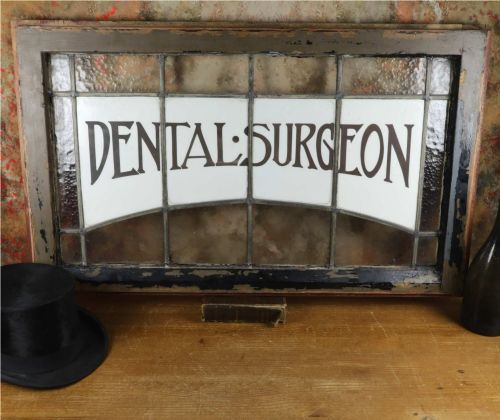
A leaded glass window consists of glass sections held together by lead cames, frequently incorporating hand painted pictorial elements such as birds, flowers, and landscapes. These architectural panels date across the Victorian era, the 1890s, 1900, 1910, and the Edwardian period, with stylistic influences spanning Art Nouveau, Arts and Crafts, and Macintosh designs.
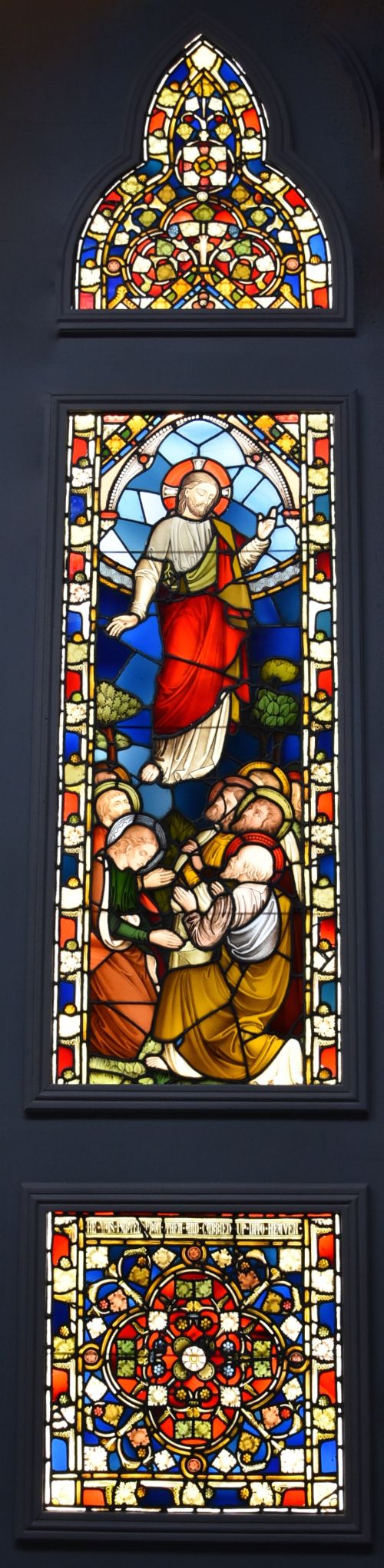
Buyers meet diverse regional and stylistic variations, from Scottish school pieces to Flemish interpretations and classical Victorian compositions. The subjects range from simple floral swags and bullseyes to complex figurative scenes featuring dragons, religious figures, and the Lake District.
Factors of quality
Quality rests in the execution of the hand painted artwork, where intricate depictions of birds, foliage, and figures demonstrate superior artistic control. The complexity of the glass selection, including the use of bullseyes, bevels, and vibrant stained glass colours, separates standard panels from exceptional works.
Structural integrity and the intricacy of the leadwork define the physical standard of each piece. Superior examples exhibit harmonious composition between the painted imagery and the surrounding lead matrix.
Retail Price Guide 2026
Typical UK retail prices for leaded glass window, calculated from the Sellingantiques database of over a million retail prices indexed since 2003. This retail price guide relies exclusively on Sellingantiques data; no external sources or auction records are used, so the figures do not describe the wider market.
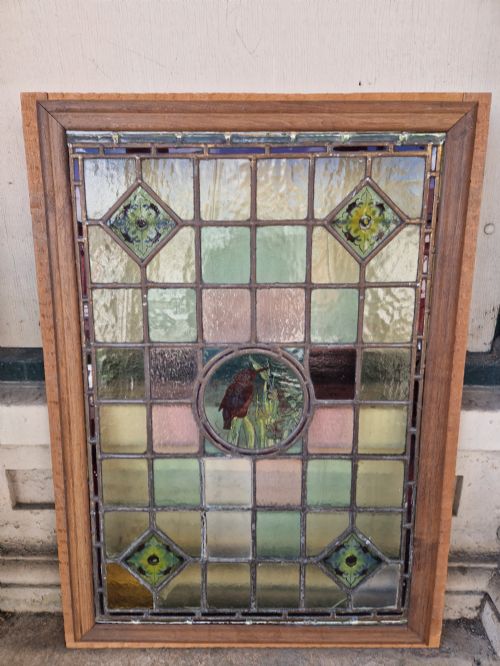
Several panels feature remarkably detailed painted birds perched on branches, bringing an eternal springtime indoors.
The Leaded Glass Window Glossary
- Came
- A slender grooved rod of lead used to hold pieces of glass together in a window. These strips form the rigid yet flexible grid supporting the entire design.
- Bullseye
- A small, round centre piece of blown glass featuring a prominent raised bump in the middle. These disks add texture and interesting light refraction to leaded panels.
- Stained glass
- Glass that has been coloured by the addition of metallic salts during its manufacture. It provides the vibrant hues seen across Victorian and Edwardian architectural panels.
- Bevel
- An angled edge ground along the perimeter of a glass piece to catch and reflect light. This technique enhances the visual depth of floral and geometric motifs.
Frequently Asked Questions
How do I hang a leaded glass window?
These panels require secure mounting within a wooden frame or robust hanging brackets anchored directly to wall studs. Weight distribution is critical because lead cames can sag under unsupported loads over time.
Positioning the panel in front of a natural light source or an illuminated lightbox ensures the hand painted details and stained glass colours remain visible.
Are these windows suitable for exterior use?
Most antique panels function best as interior decorative elements or secondary interior partitions rather than exterior glazing. Historic lead cames and pine frames may lack the weather resistance required for modern external building regulations.
Installing them inside the home protects the delicate hand painted surfaces and traditional lead structures from environmental weathering.
How do I identify a Victorian panel?
Victorian examples frequently incorporate classical motifs, floral swags, and rich stained glass colours within the leaded matrix. Makers from this era also produced distinctive Arts and Crafts designs with stylized natural subjects.
Examining the ageing of the lead and the style of the hand painted winter or bird scenes helps confirm the nineteenth-century origins.
What subjects appear on these windows?
Common pictorial subjects include birds on branches, floral arrangements, fruit, and landscapes such as the Lake District. More unusual panels feature religious figures, classical themes, and winged serpents or dragons.
Geometric elements like amber bullseyes and bevelled rose patterns frequently accompany these pictorial compositions.