


Stained Glass Panel
When you search for a stained glass panel, you uncover architectural fragments of leaded colour, floral motifs, and historic pictorial scenes designed to filter daylight.
Stained Glass Panel
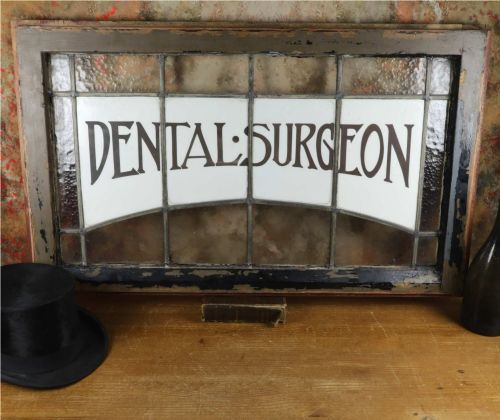
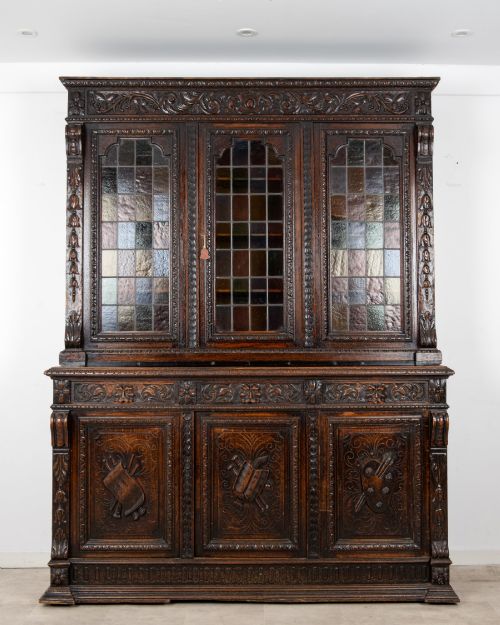
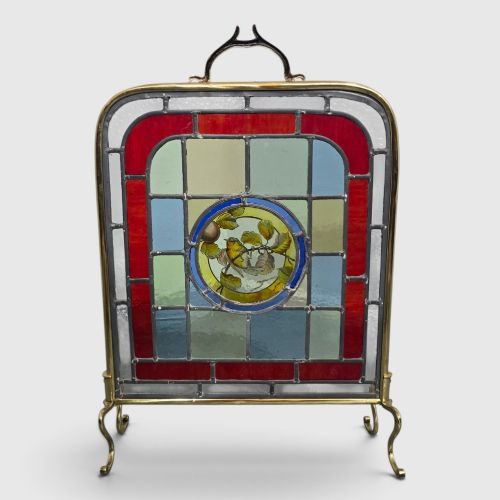
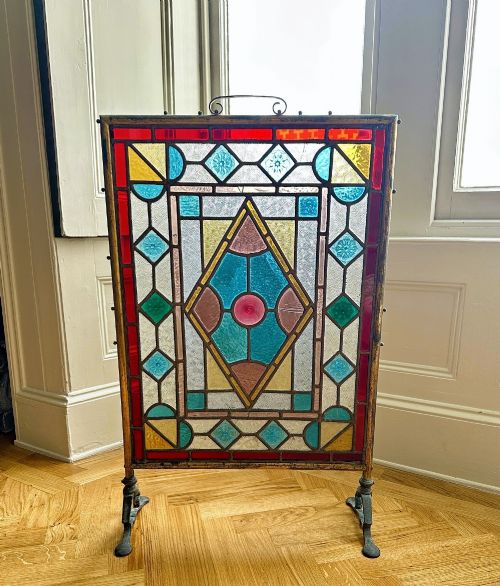
A stained glass panel brings historic domestic and ecclesiastical glazing into interior spaces, ranging from standalone architectural salvage to inserts mounted within doors, bookcases, and fire screens.
The selections available span the late nineteenth century through to the Edwardian period and the 1920s, heavily featuring Victorian Gothic Revival, Arts and Crafts, and Art Nouveau aesthetics.
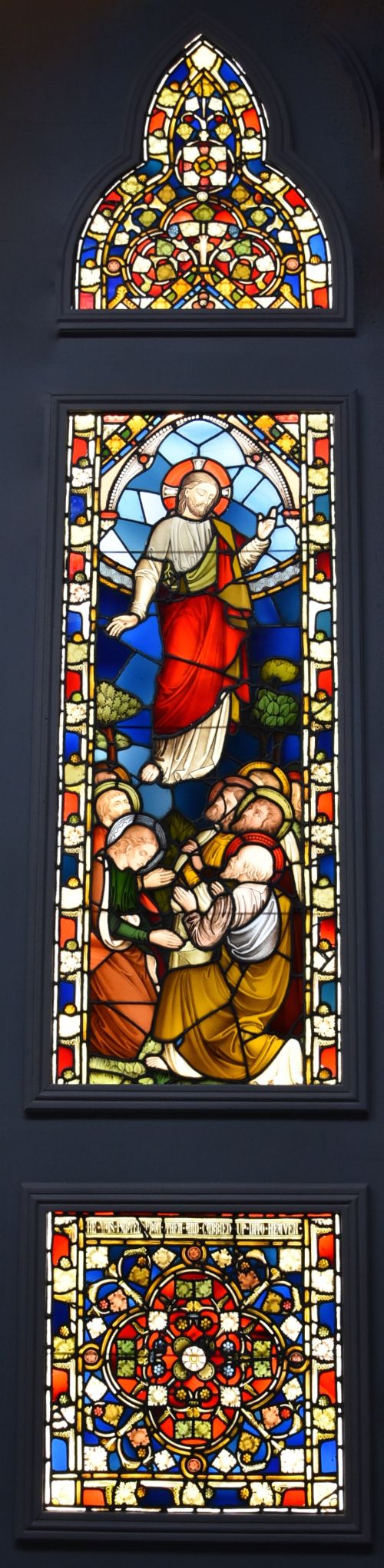
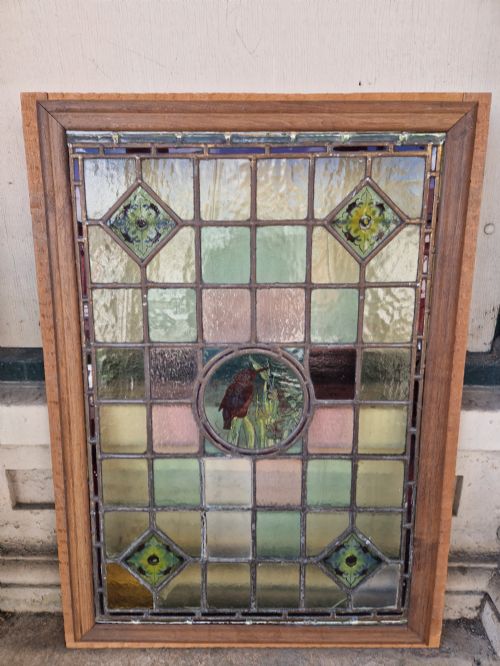
Buyers encounter everything from small square panels featuring amber bullseyes and hand-painted birds to large triptych windows depicting countryside scenes, historical figures, and biblical narratives.
Materials and technique
Pieces are constructed by joining individual shards of coloured and hand-painted glass within flexible lead cames, soldered at the joints to form cohesive pictorial designs.
Support structures frequently involve timber frames made from pine or carved oak, alongside iron stands or brass mounts utilised for freestanding firescreens and display cabinets.
Stained Glass Panel Retail Price Guide 2026
Typical asking prices for stained glass panel among the pieces listed under this phrase on Sellingantiques today, from the lower quarter to the upper quarter. They describe what is for sale here now, not the wider market.
A cheerful Dutch boy and girl make an unexpected appearance alongside Victorian knights in armour and medieval kings.
Quality variations
Quality rests upon the intricacy of the hand-painting and the depth of the glass colours, distinguishing simple geometric leads from finely detailed pictorial works featuring heraldry, figures, or avian subjects.
The integrity of the lead matrix and the preservation of original timber frames or architectural surrounds heavily influence the overall character and historical value of the piece.
Swaine Bourne·Cottier and Co
The Stained Glass Panel Glossary
- Came
- A slender grooved strip of lead used to hold together pieces of glass in a window or panel. These flexible strips form the structural grid of the design.
- Bullseye
- A small, circular centre of glass formed during the blowing process, often incorporated into panels for added texture and amber or clear visual interest.
- Architectural Salvage
- Building elements rescued from older structures slated for demolition. This category includes windows and doors repurposed for interior display.
- Triptych
- A work made of three parts, typically hinged or displayed together. In glazing, this refers to large multi-panel pictorial windows depicting a unified narrative.
Stained Glass Panel: Frequently Asked Questions
How were stained glass panels originally used?
These panels were primarily installed in domestic doors, windows, and transoms, as well as ecclesiastical buildings, to provide privacy while allowing coloured light to filter through.
They also appeared within interior furnishings such as bookcases, room dividers, and firescreens to integrate decorative coloured glass into living spaces.
How do I hang a stained glass panel?
Due to their weight and fragile lead construction, panels require secure suspension using hooks and chain fixed directly to the window frame or structural masonry.
Alternatively, many collectors mount them within backlit frames to display the painted details and vibrant glass colours independently of natural window light.
Can I install an antique panel in an exterior door?
Many panels originate from external doors and windows, but older leaded work often requires stabilization or secondary glazing for weatherproofing and security.
Lighter decorative inserts are generally better suited for internal architectural placement, hanging screens, or fitted cabinetry where they face less environmental stress.
How do I tell Victorian panels from Edwardian ones?
Victorian examples frequently lean towards Gothic Revival motifs, heavy ecclesiastical subjects, and rich, deep hues with intricate hand-painted heraldry or biblical scenes.
Edwardian and later panels often shift towards lighter aesthetics, featuring flowing floral swags, bird on a branch designs, and bright amber bullseyes.