




Architectural Salvage Glass
Architectural salvage glass brings brilliant light and genuine period character into a modern interior through rescued windows and decorative panels.
What architectural salvage glass is
Architectural salvage glass comprises rescued antique windows and decorative panels gathered from period buildings. These pieces demonstrate the practical and artistic uses of glass in older domestic and commercial settings.
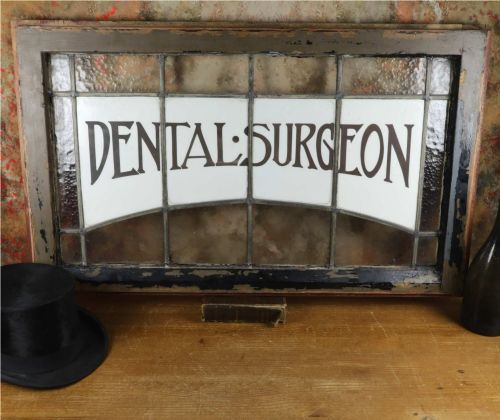
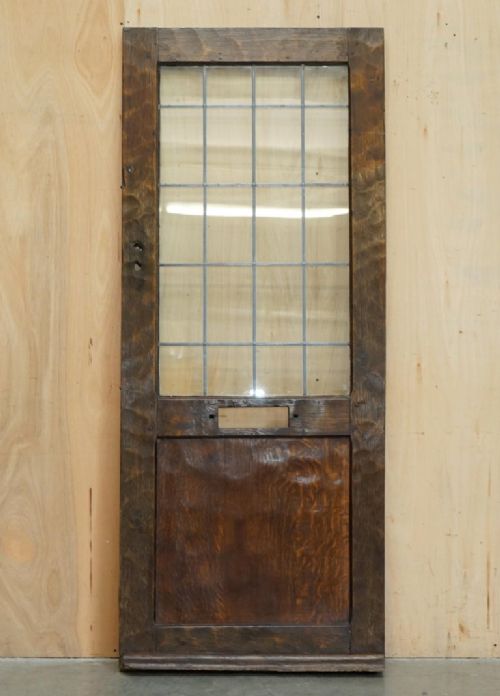
The selections available here span the Victorian, Edwardian, and early twentieth-century periods. Common formats include leaded windows and specialised shop panels that retain their original character.
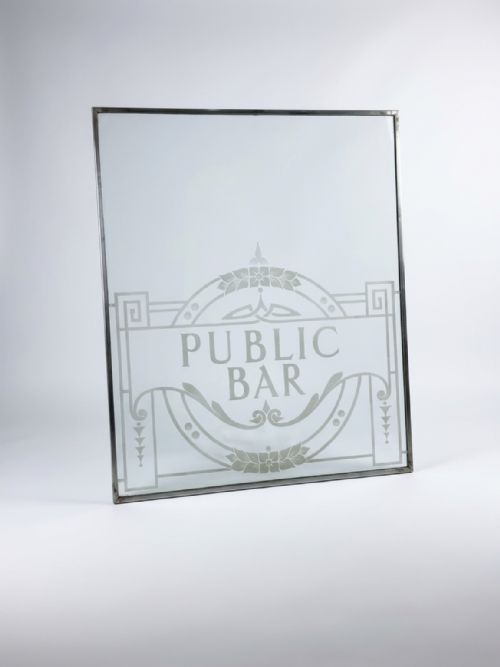
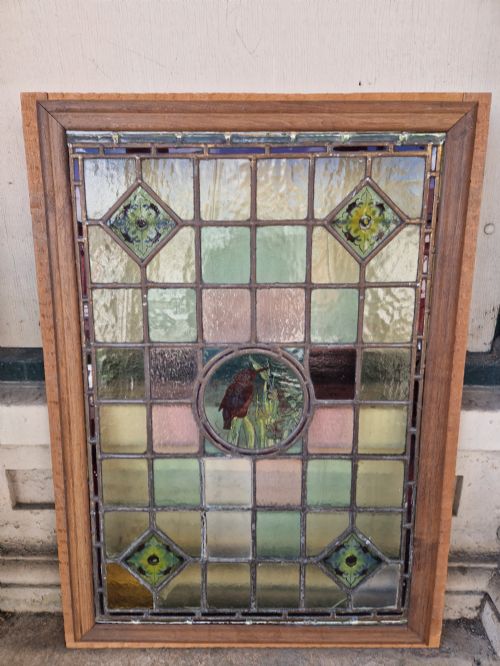
Buyers frequently encounter stained glass windows featuring hand-painted natural scenes alongside reverse cut confectionery shop panels. Each survivor records the distinct design priorities of its original era.
How they were made
Master craftsmen built these pieces using durable lead came to hold individual pieces of glass securely within a rigid frame. Many designs incorporate hand-painted details depicting countryside scenes, flowers, and birds directly onto the glass surface.
Support structures typically utilise pine wood or sturdy timber frames designed to withstand decades of exposure. Certain specialised panels employ reverse cutting techniques on heavy glass to create distinctive shop displays.
Retail Price Guide 2026
Typical UK retail prices for architectural salvage glass, calculated from the Sellingantiques database of over a million retail prices indexed since 2003. This retail price guide relies exclusively on Sellingantiques data; no external sources or auction records are used, so the figures do not describe the wider market.
What varies in quality
Quality in these panels rests upon the ambition of the hand-painted artistry and the complexity of the leading work. Fine examples showcase intricate depictions of birds, lakes, and floral swags executed with notable artistic control.
The integrity of the surrounding wood and lead framework dictates the physical resilience of each piece. Superior items maintain their original harmony between painted glass elements and structural support.
The Architectural Salvage Glass Glossary
- Leaded glass
- Individual pieces of glass joined together with strips of lead came. This technique allows for intricate geometric and pictorial designs.
- Stained glass
- Glass coloured by the addition of metallic salts during its manufacture. It forms the vibrant panels seen in Victorian and Edwardian windows.
- Reverse cut glass
- A decorative technique where the design is cut into the rear surface of the glass. This method creates depth and is frequently found in commercial shop panels.
- Bullseye
- A circular distortion or centre point in blown glass, often utilised intentionally in period windows for texture and visual interest.
Frequently Asked Questions
How do I hang a stained glass window?
These heavy panels require secure fixings anchored directly into structural wall studs or window reveals. Steel chains or custom brackets attached to the outer frame distribute the weight safely.
Position the panel where natural daylight can pass through the glass to reveal its painted details and colours properly.
Are these windows weather resistant?
While original windows stood up to the elements for over a century, vintage lead and wood require careful consideration today. Interior placement protects the fragile painted surfaces and older lead cames from modern weather extremes.
Secondary glazing can shield a salvaged panel if it is installed into an external wall opening.
How do I date an architectural glass panel?
Dating relies on the stylistic clues present in the motifs and framing materials. Victorian and Edwardian pieces often display specific floral swags, bird scenes, or characteristic pine wood surrounds.
Comparing the painting style and the weight of the lead cames helps narrow down the period of manufacture.