


Victorian Leaded Glass Window
A victorian leaded glass window brings historic colour and artisanal leadwork into modern interiors through authentic architectural salvage.
Victorian Leaded Glass Window
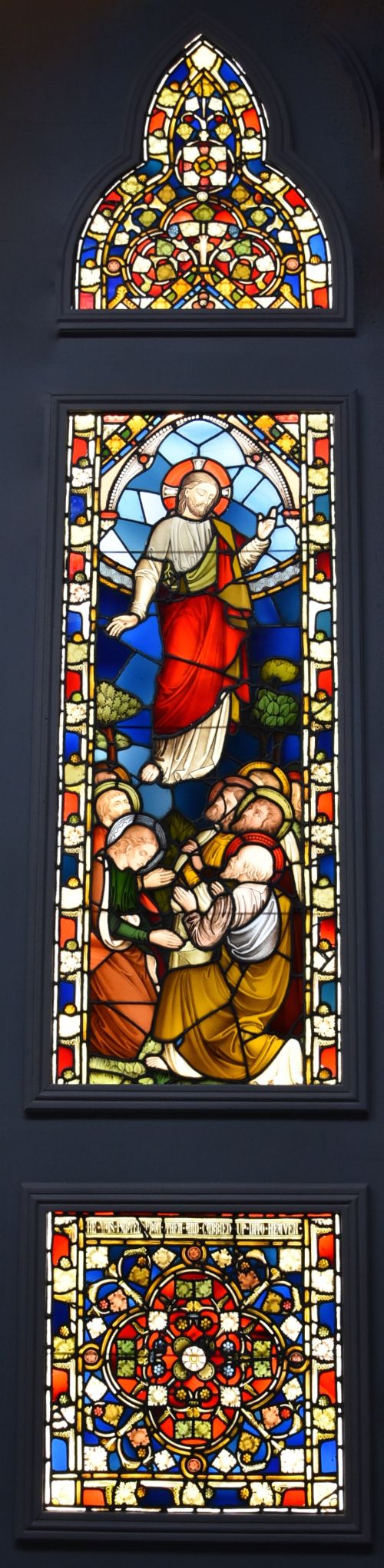
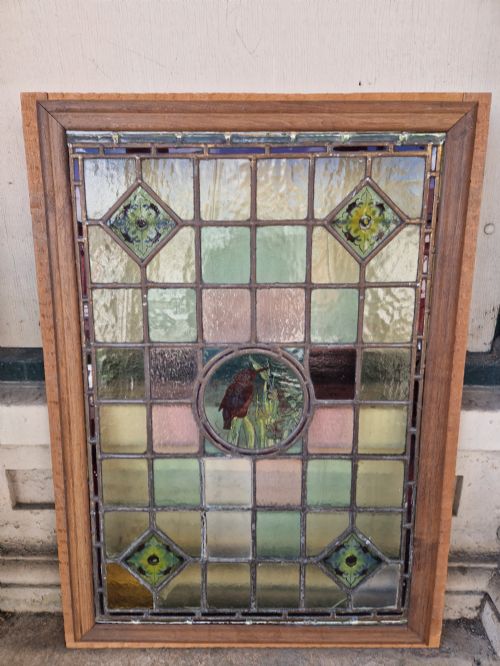
A victorian leaded glass window comprises architectural salvage panels framed in wood or timber, originating from churches, domestic houses, and commercial premises across the nineteenth century and early twentieth century. Buyers encounter architectural glass forms ranging from large church windows and triptychs to smaller domestic panels.
The inventory spans periods from the 1850s through to Edwardian times, incorporating Gothic Revival, Art Nouveau, and Arts and Crafts styles. Most pieces combine clear or coloured glass held together by lead cames, often featuring hand-painted central medallions or roundels.
Materials and construction
These windows rely on lead cames to join individual pieces of glass, which include stained, cut, painted, and enamelled varieties. Timber, pine wood, and wood frames provide structural support for the heavier architectural salvage panels.
Artisans applied hand-painted details depicting scenes such as countryside landscapes, birds, heraldic emblems, and religious figures before firing the glass to fuse the pigments. Bullseyes and swags frequently accent the leaded grid work.
Materials recorded across the archive include lead, glass, wood, timber, pine wood, stained glass, leaded glass, and enamel.
Craftsmanship and design
Quality rests in the complexity of the hand-painted pictorial work, distinguishing simple geometric diamond panes from elaborate figurative compositions depicting knights, winter scenes, or wildlife. The crispness of the lead cames and the depth of colour in the stained glass determine the visual impact.
Scale and completeness separate standard panels from large church windows and matched pairs. Intricate domestic and religious commissions demonstrate superior artistic ambition compared to basic utility glazing.
Sir Edward Burne-Jones
The Victorian Leaded Glass Window Glossary
- Came
- The lead strip with a grooved channel used to hold individual pieces of glass together in a window.
- Bullseye
- A small roundel of glass featuring a central raised knob, formed by the pontil mark during hand-blowing.
- Architectural salvage
- Building elements rescued from structures slated for demolition, retaining their original historic fabric.
- Triptych
- A window or panel divided into three distinct sections or hinged leaves.
- Gothic Revival
- An architectural and decorative style drawing inspiration from medieval forms, prevalent during the nineteenth century.
Victorian Leaded Glass Window: Frequently Asked Questions
How do I hang a heavy panel?
Secure the wooden frame directly into wall studs using appropriate masonry or timber fixings, or suspend the window within a window opening using steel brackets.
Ensure the weight rests on the structural frame rather than the lead cames and glass panels to prevent sagging.
Can these windows be installed outside?
Most antique panels function best as interior decorative screens or hung in front of existing double glazing to protect the historic lead and paint.
Weather exposure damages fragile historic enamel and weakens the original lead cames over time.
What styles are most common?
Gothic Revival church windows and domestic Victorian scenic panels featuring birds, landscapes, and floral motifs appear frequently.
Arts and Crafts and Edwardian examples also feature regularly alongside earlier nineteenth-century religious designs.
How are painted scenes applied?
Artisans painted vitreous enamel pigments onto the glass surface before firing the panels in a kiln to permanently bond the colour.
This technique allowed makers to depict detailed figures, heraldry, and rural scenery with lasting precision.