
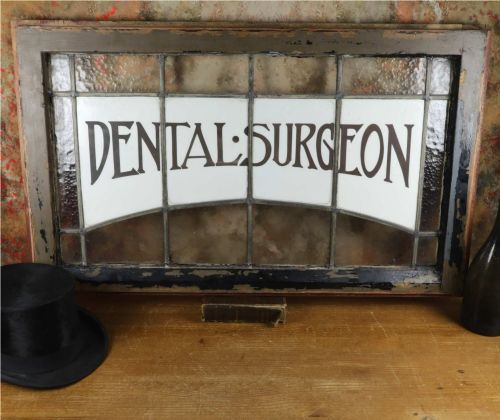


Edwardian Stained Glass Window
An edwardian stained glass window brings deep colour and period character into a room through leading and hand-painted glass.
Edwardian Stained Glass Window
An edwardian stained glass window is an architectural piece designed to diffuse natural light while introducing decorative motifs into domestic and commercial buildings. The selection spans panels dating from 1890 through the 1920 period, encompassing Victorian, Art Nouveau, and Arts and Crafts design influences. Most examples take the form of individual glass panels or complete windows housed within timber frames made of pine and other woods.
Buyers searching for an edwardian stained glass window will frequently encounter pictorial scenes hand painted onto the glass. These depict countryside landscapes, castles, winter scenes, knights in armour, floral arrangements with swags, and birds on branches. Alongside pictorial panels, many pieces incorporate amber bullseyes and geometric leaded glass patterns typical of architectural salvage.
How they were made
The construction of an edwardian stained glass window relies upon strips of lead to hold individual pieces of coloured and clear glass together in a rigid web. Artisans combined leaded glass assembly with hand painting, applying pigments directly to the glass surface to render detailed subjects such as birds, flowers, and landscapes before firing the panels in a kiln.
Support and housing were provided by timber frameworks, frequently constructed from pine wood, which allowed the fragile glass panels to be installed securely into exterior and interior walls. Additional surface manipulation included etching techniques to create texture and tone variations across the glass panels.
Edwardian Stained Glass Window Retail Price Guide 2026
Typical asking prices for edwardian stained glass window among the pieces listed under this phrase on Sellingantiques today, from the lower quarter to the upper quarter. They describe what is for sale here now, not the wider market.
Listings for this phrase include pieces spanning multiple design movements from the late Victorian era through to the 1920 period.
What varies in quality
The artistic ambition and execution of the hand-painted details separate standard architectural panels from exceptional works. Fine brushwork depicting complex countryside scenes, figurative subjects like knights, or delicate bird designs demonstrates superior craftsmanship compared to repetitive geometric layouts.
The integration of specialist glass components, such as amber bullseyes or large etched sections, influences the character of the piece. The stability of the lead framework and the preservation of the original pine timber surround also contribute to the integrity of the surviving window.
The Edwardian Stained Glass Window Glossary
- Bullseye
- A small, circular centre piece of blown glass with a prominent lump in the middle, often utilised in these windows to add texture and amber tones.
- Lead cames
- The flexible H-section lead strips used to join individual pieces of cut glass together into a complete window panel.
- Architectural salvage
- Building materials and decorative fixtures rescued from older structures slated for demolition, encompassing these glass windows and panels.
- Etched glass
- Glass that has been treated with acid or abrasive techniques to remove surface material and create opaque patterns or designs.
- Arts and Crafts
- A design movement focusing on traditional craftsmanship and simple forms, heavily influencing the floral and natural motifs found on these panels.
Edwardian Stained Glass Window: Frequently Asked Questions
Where were these windows originally installed?
These windows typically appeared in hallways, stairwells, and principal reception rooms of domestic houses and commercial premises during the late nineteenth and early twentieth centuries.
They served to provide privacy from the street while diffusing decorative natural light into the interior spaces.
How do I hang a stained glass window?
Most panels are mounted within their original timber frames or secured inside a custom wooden batten hung safely against a light source.
Because the lead framework is flexible and heavy, large panels require proper edge support rather than hanging entirely from suspension chains.
How do I identify an Edwardian window?
Edwardian examples often feature lighter, airier designs influenced by Art Nouveau and Arts and Crafts aesthetics compared to darker Victorian pieces.
Common motifs include stylised birds on branches, floral swags, and amber bullseyes set within geometric leaded glass.