


Architectural Salvage Stained Glass
Architectural salvage stained glass brings genuine period colour and historic craftsmanship directly into modern interiors through authentic rescued windows and panels.
What these pieces are
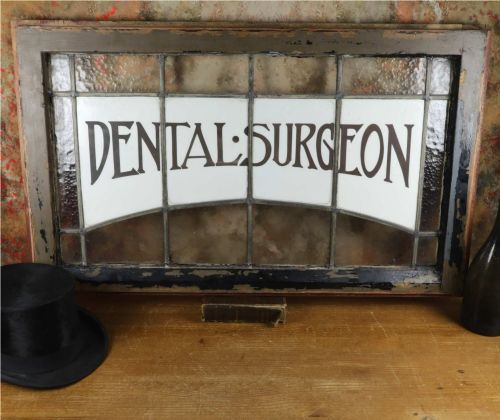
The selection on this page centres heavily on Victorian and early twentieth-century examples, including dated pieces from 1900, 1910, and 1920. Forms range from simple leaded glass panels to complete windows featuring hand-painted scenes and specific motifs.
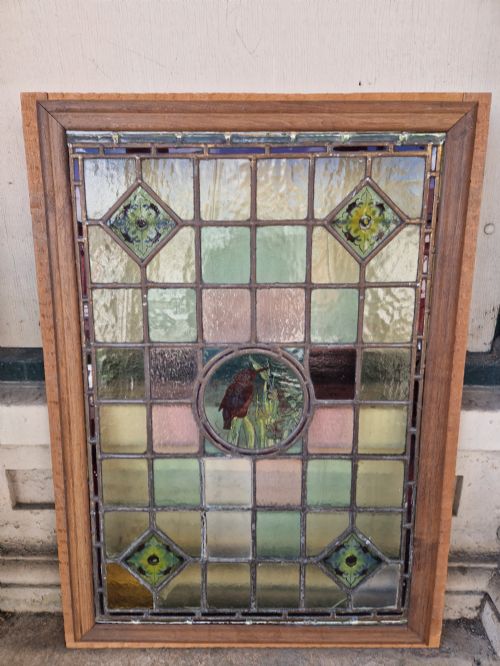
Subject matter varies from geometric leading to pictorial designs, such as countryside views, castle scenes, and birds on branches. Buyers encounter both unpainted geometric leaded lights and finely painted pictorial panels executed on glass.
How they were made
Makers constructed these panels using coloured and clear glass held together by networks of flexible lead cames, soldered at the joints to form secure geometric or pictorial webs. Artisans often applied enamel paint directly to the glass surface, firing the pigment to bond it permanently before leading the pieces into the final panel.
Many of these glass panels retain their original wooden or softwood timber frames, which protected the lead and glass matrix within the building's original architectural fabric. Carpenters and glaziers fitted these frames to standard structural openings of the nineteenth and early twentieth centuries.
Retail Price Guide 2026
Typical UK retail prices for architectural salvage stained glass, calculated from the Sellingantiques database of over a million retail prices indexed since 2003. This retail price guide relies exclusively on Sellingantiques data; no external sources or auction records are used, so the figures do not describe the wider market.
The documented periods span the Victorian era, 1900, 1910, and 1920.
What varies in quality
The distinction between standard panels and superior examples rests upon the artistic ambition of the glazing, particularly visible in hand-painted pictorial works depicting landscapes or wildlife. Panels featuring detailed hand-painted countryside views, castles, or avian subjects demand greater painterly skill than repetitive geometric leadwork.
Structural integrity also separates the grades, as panels supported by rigid lead cames and sound wooden timber frames endure with fewer deformations. The depth of colour in the glass and the complexity of the leading pattern dictate the visual impact when natural light passes through the panel.
The Architectural Salvage Stained Glass Glossary
- Came
- A slender channel of lead, zinc, or brass used to hold together pieces of stained glass in a window. These strips form the structural grid of the panel.
- Softwood
- Timber derived from conifers, commonly used for the supportive frames surrounding salvage glass panels. It provides a lightweight yet sturdy housing for the leaded matrix.
- Lead-light
- A window made of small pieces of glass held in place by narrow strips of lead. This construction method defines most period architectural glazing.
- Architectural salvage
- Building materials rescued from structures slated for demolition or renovation for reuse in new settings. This practice preserves historical glass and woodwork.
Frequently Asked Questions
How do I hang a stained glass panel?
Secure hanging requires fixing robust metal hooks or brackets into the window frame or surrounding woodwork rather than relying solely on the lead cames. Professional installation ensures the weight distributes evenly across the timber structure.
For interior wall display, position the panel in front of a light box or a naturally illuminated window to replicate the original lighting conditions intended by the glazier.
Are these windows safe to use indoors?
Historic glass panels generally pose no risk for interior decoration when handled with standard care. Wash hands after cleaning if touching exposed lead cames directly.
Mounting them securely within a room prevents accidental impacts that could bend the soft lead matrix or shatter the historic glass panes.
Can I date a window by its design?
Stylistic indicators such as heavy geometric leading suggest Victorian origins, while cleaner lines point toward later Arts and Crafts or Art Deco movements. Specific dates recorded on pieces from 1900, 1910, and 1920 provide benchmarks for comparison.
Floral and avian motifs combined with naturalistic painting styles often align with the early twentieth-century aesthetic shift toward pictorial realism.
How do I clean salvage stained glass?
Clean the glass surface gently using a soft cloth and a mild, non-abrasive detergent solution. Avoid harsh chemicals that might react with the aged lead cames or degrade hand-painted enamel details.
Take care around painted sections, as historic pigments can be sensitive to excessive moisture or vigorous scrubbing.