


Vintage Shop Sign
A vintage shop sign brings commercial history straight to the wall, offering tangible craftsmanship and honest graphic character.
Vintage Shop Sign
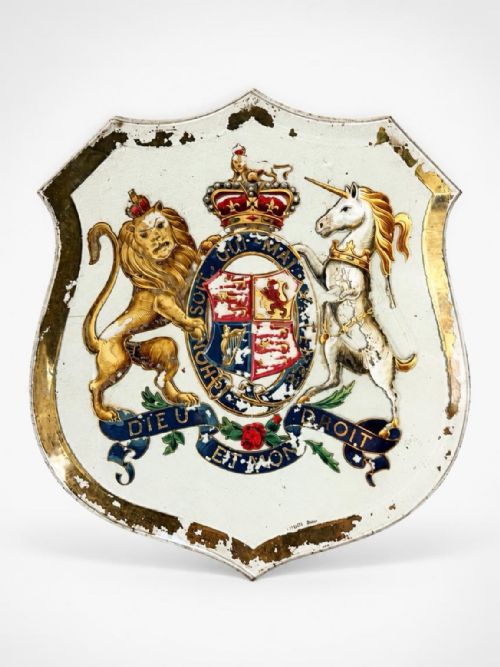
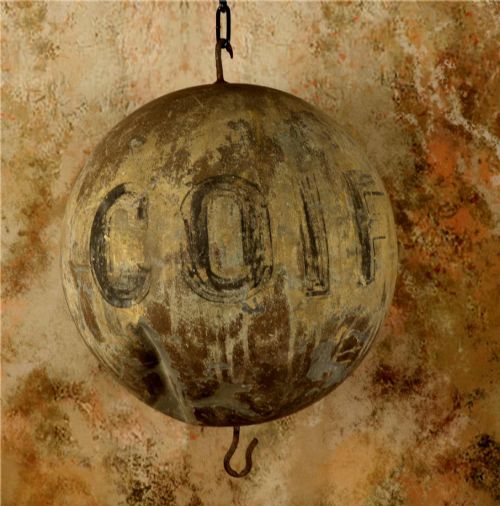
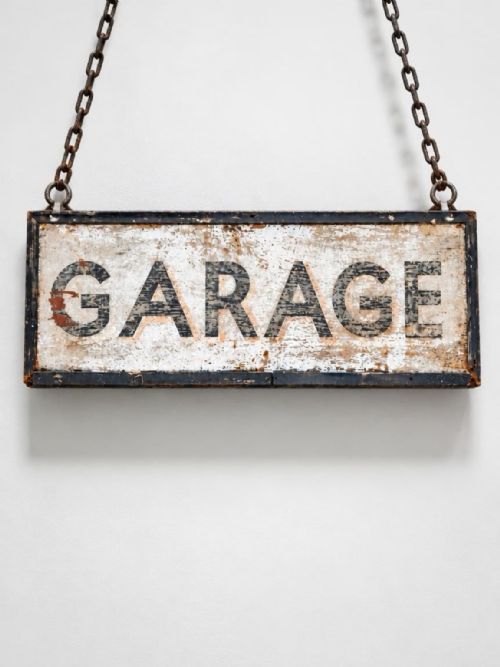
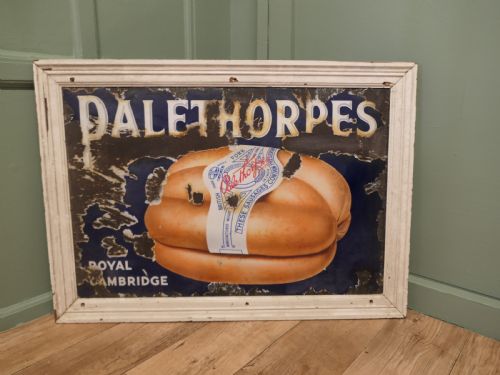
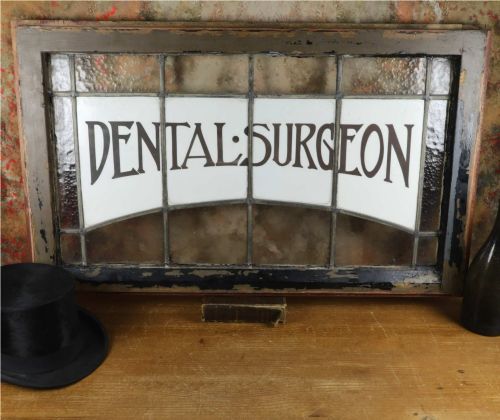
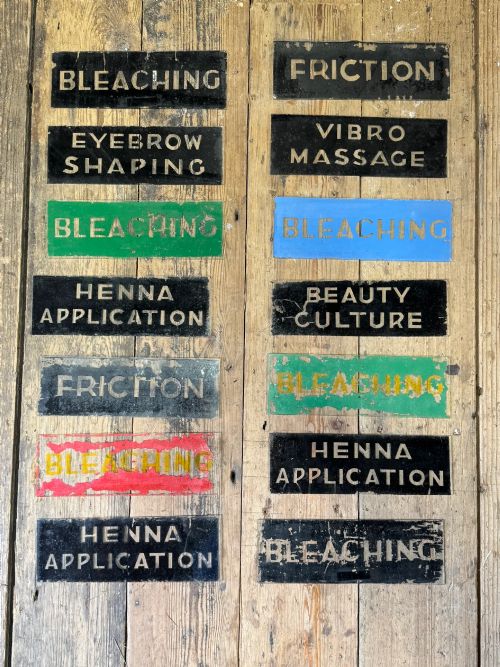
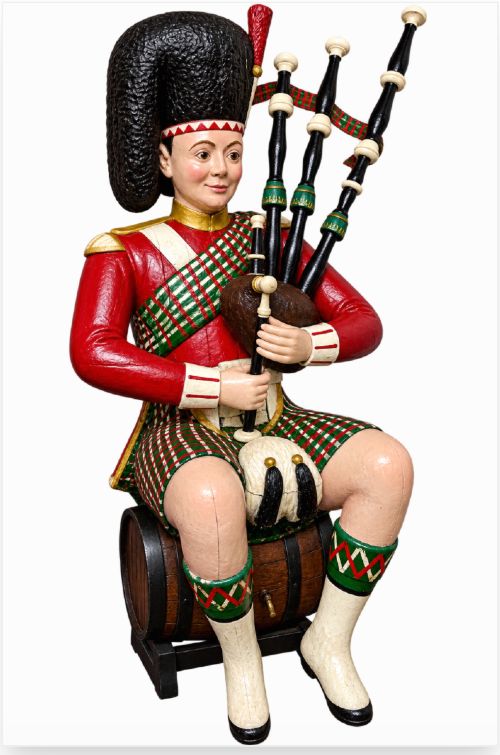
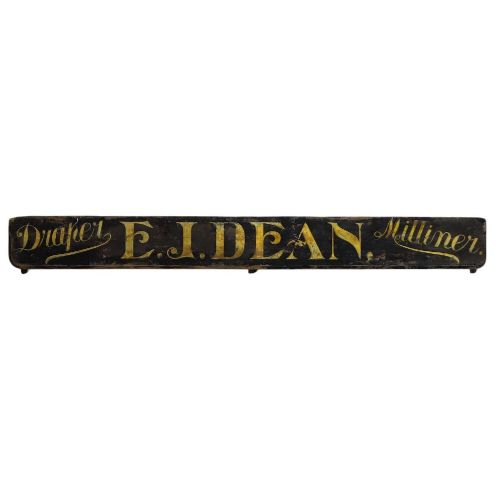
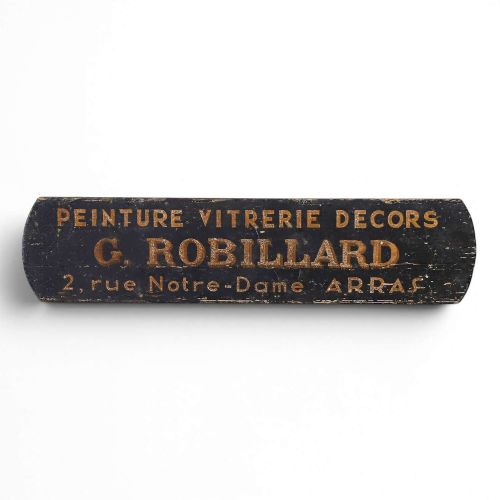
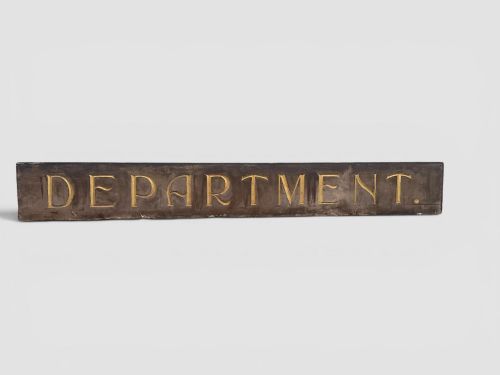
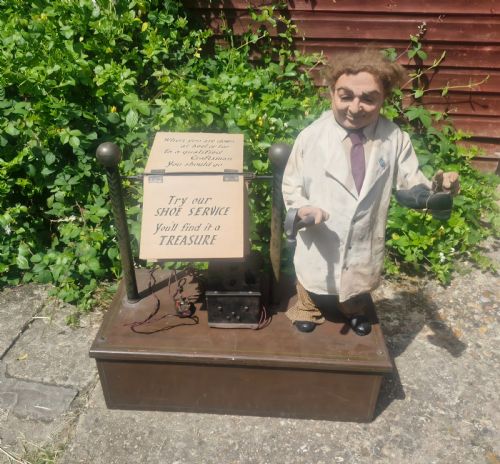
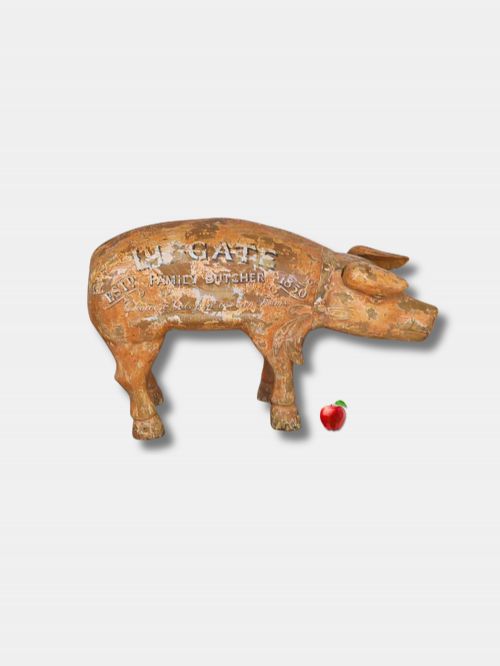
A vintage shop sign is a piece of commercial history made to draw trade from the street, taking forms like wall signs, trade signs, and advertising signs. The examples on this page span the Victorian, Edwardian Commercial, and Early 20th Century eras, reflecting the functional needs of past commerce.
The materials and styles range from the hammered surfaces of the Arts and Crafts movement to robust metal and enamel pieces from the early decades of the twentieth century. These objects served businesses ranging from locksmiths and antique dealers to fishmongers and furnishers.
Visitors browsing this page will most frequently encounter wall-mounted boards and hanging panels produced between nineteen-ten and nineteen-thirty. They combine practical lettering or iconography with the natural wear of daily exposure.
How they were made
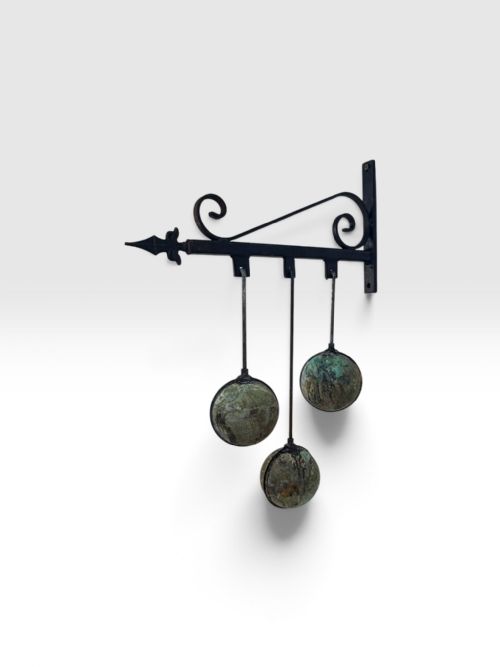
Makers utilised durable materials suited to outdoor and indoor commercial environments, including wood, oak, iron, copper, and vitreous enamel. Metal components were frequently paired with wrought iron hanging brackets to support the weight of the display.
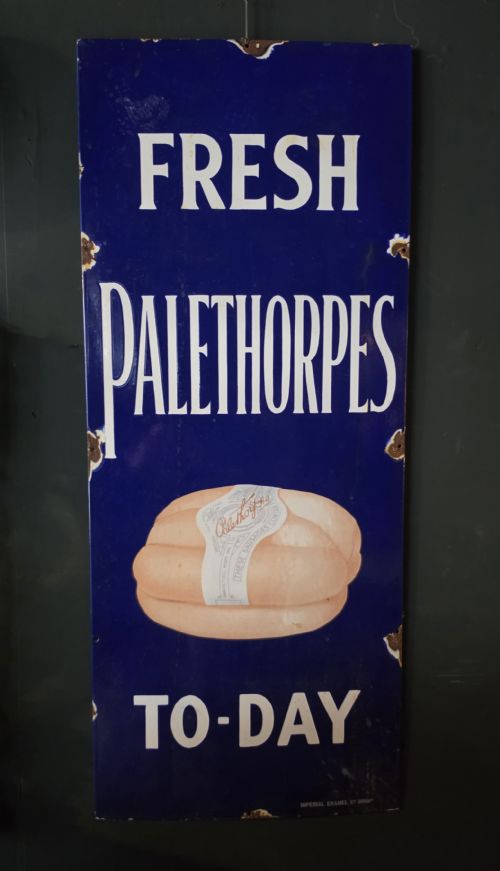
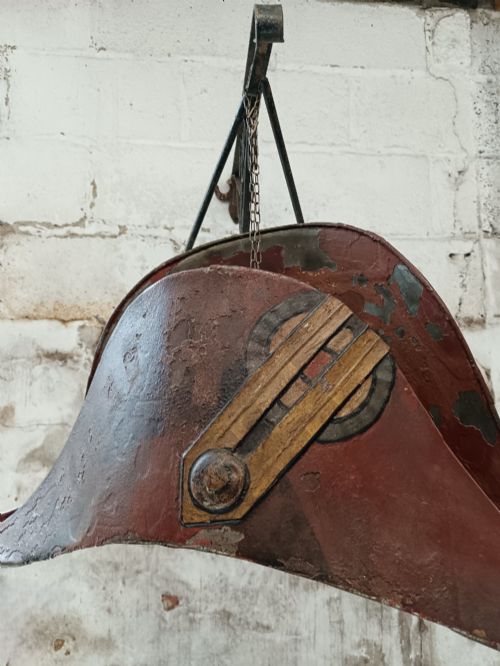
Surface decoration involved paint, gold leaf, and beaten copper embossed panels, relying on hand-finished techniques rather than modern mass production. Vitreous enamel signs fused glass powder onto metal substrates at high temperatures to create weather-resistant finishes.
Wooden elements such as oak boards were carved, decorated, or painted to clearly communicate the trade of the establishment. The resulting construction prioritised longevity and legibility for passing pedestrians.
Vintage Shop Sign Retail Price Guide 2026
Typical asking prices for vintage shop sign among the pieces listed under this phrase on Sellingantiques today, from the lower quarter to the upper quarter. They describe what is for sale here now, not the wider market.
Current listings feature items from nineteen-ten, nineteen-twenty, and nineteen-thirty, utilising wood, copper, iron, and enamel.
What varies in quality
The distinction between ordinary and exceptional pieces lies in the sophistication of the materials and the integrity of the original surfaces. Hand-beaten copper panels and multi-layered gold leaf lettering demonstrate a higher grade of workshop skill than standard painted boards.
Structural completeness also defines the upper tier, particularly when original wrought iron hanging brackets remain attached to the main body of the sign. The clarity of the typography and the depth of the relief work further separate standard trade items from bespoke commissions.
The Vintage Shop Sign Glossary
- Vitreous enamel
- A material made by fusing powdered glass to a metal substrate at high heat, creating a smooth and resilient coloured surface. This finish resists weathering and fading over decades.
- Trade sign
- A board, symbol, or hanging object used by a merchant or craftsman to identify their profession to the public. These often took the shape of the goods sold within.
- Embossed
- Raised in relief from the surrounding surface by hammering or pressing the material from behind. This technique adds tactile depth to metal panels.
- Wrought iron
- Iron that has been heated and shaped with hand tools by a blacksmith, known for its fibrous texture and durability. It provides sturdy support for hanging signs.
Vintage Shop Sign: Frequently Asked Questions
What is a vintage shop sign made of?
The listings show a variety of robust materials including wood, oak, iron, copper, and vitreous enamel. Some pieces also incorporate gold leaf and paint for lettering and decoration.
Makers selected these substances to withstand the rigours of daily commercial use on the street. Each material ages differently, contributing to the distinct character of every surviving piece.
How do I hang a heavy trade sign?
Many pieces come with original wrought iron hanging brackets designed to secure the board firmly to an exterior or interior wall. It is essential to anchor fixings into solid masonry or studwork to support the weight safely.
Professional installation ensures the structural load is distributed evenly across the bracket and wall surface.
Are these signs weatherproof?
While materials like vitreous enamel and painted iron were originally manufactured to endure outdoor conditions, surviving examples have aged over many decades. Enamel resists moisture well, but exposed wood and iron can degrade if left unprotected against damp environments.
Most collectors choose to display them indoors or in sheltered areas to preserve their historic surfaces.
How can I tell the age of a sign?
Dating relies on observing the stylistic characteristics, manufacturing techniques, and materials associated with specific periods such as the Victorian era or the Arts and Crafts movement. Lettering styles and fixing methods often provide reliable clues to the decade of manufacture.
Comparing construction details with authenticated examples helps narrow down the production period.