


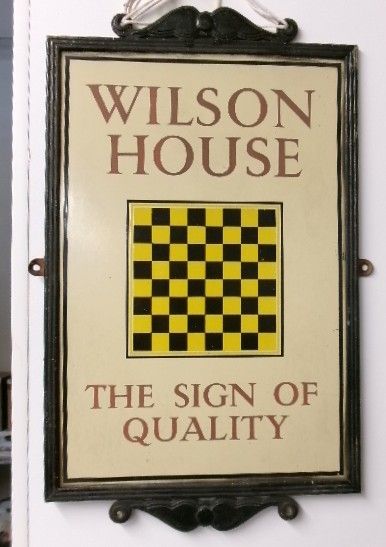


Antique Advertising Plaque
An antique advertising plaque carries the commercial identity of past shops and manufacturers into modern spaces.
Antique Advertising Plaque
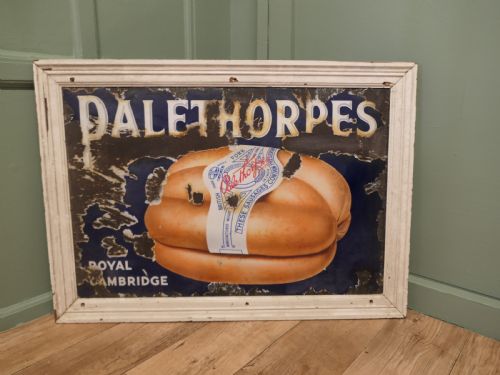
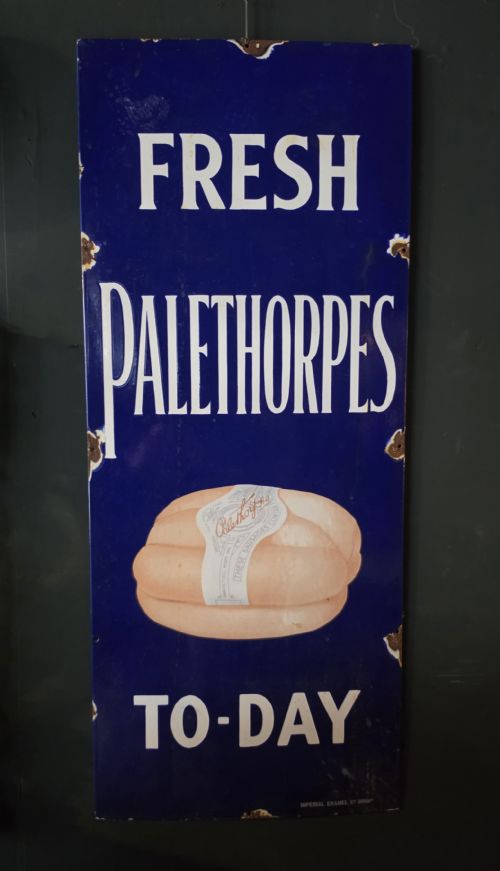
An antique advertising plaque comprises wall signs, trade signs, and decorative tiles produced during the Victorian, Edwardian, and early twentieth-century periods. These items served tradesmen, public houses, and commercial enterprises to display their services and products directly to the public.
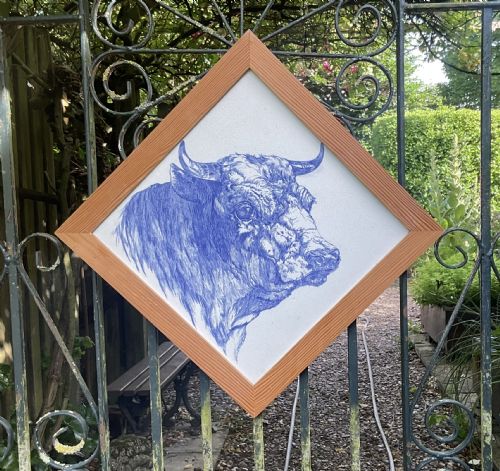
The versions most commonly met on this page include vitreous enamel signs, painted metal panels, and ceramic tiles originating from British and French makers. They range from small brass safe plaques and salesman samples to large framed wall signage.
Objects span specific commercial applications such as butcher displays, pharmacy notices, and locksmith markers. Each piece reflects the functional trade requirements of its specific decade between the late nineteenth century and the 1930s.
Materials and construction
Makers utilised vitreous enamel fused onto iron or sheet metal to create durable outdoor signs that could withstand the weather. This technique produced glossy surfaces with vibrant colours designed for longevity.
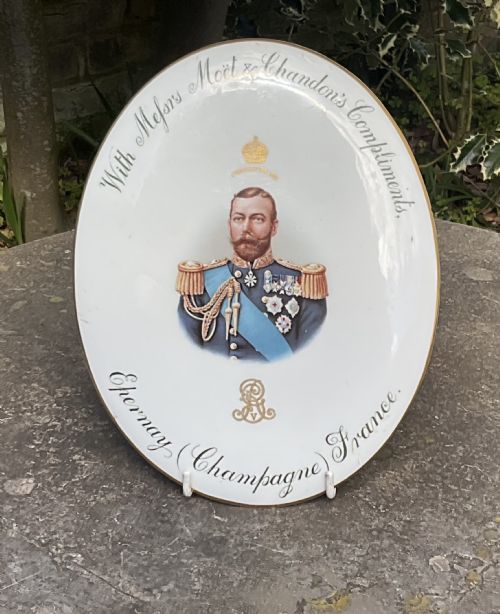
Ceramic works rely on fired glaze and painted finishes upon clay bases, seen in decorative tiles and salesman sample jugs. Wood and cast iron also appear, often carved, painted, or embossed to form hanging trade signs and brass-inscribed plaques.
Antique Advertising Plaque Retail Price Guide 2026
Typical asking prices for advertising plaque among the pieces listed under this phrase on Sellingantiques today, from the lower quarter to the upper quarter. They describe what is for sale here now, not the wider market.
Listings feature items produced across the Victorian, Edwardian, and early twentieth-century periods, utilising iron, enamel, wood, and ceramic glaze.
Factors of quality
Quality rests upon the clarity of the lettering, the complexity of the pictorial design, and the retention of the original surface finish. Strong contrast in enamel or paintwork distinguishes superior examples from standard utility markers.
The presence of original framing, mounting brackets, or maker stamps elevates a piece. Intricate craftsmanship in embossed copper panels or detailed hand-painted shop signs separates commercial output from simpler mass-produced items.
Mintons·Minton Hollins·Tann’s Defiance·J. & H. Keyworth and Co
The Antique Advertising Plaque Glossary
- Vitreous enamel
- A material made by fusing powdered glass to a metallic substrate by firing. This process creates a hard, chemically resistant surface common on outdoor trade signs.
- Salesman's sample
- A smaller version of a product or plaque carried by commercial travellers to demonstrate wares to prospective shopkeepers.
- Trade sign
- A board, plaque, or hanging object displayed outside a business to indicate the trade practised within.
- Pictorial enamel
- An enamel sign featuring graphical illustrations alongside lettering, rather than text alone.
- Decorative tile
- A glazed ceramic slab often produced by prominent potteries for architectural embellishment or shop interiors.
Antique Advertising Plaque: Frequently Asked Questions
How do I hang a heavy enamel sign?
Heavy enamel and iron signs require secure fixings into wall studs or solid masonry using appropriate wall plugs and screws. Rubber washers placed behind mounting holes prevent the brittle enamel surface from cracking under pressure.
Ensure the weight is distributed evenly across multiple fixing points to protect the original metal structure from distortion over time.
Were these signs used outdoors?
Many vitreous enamel and cast iron plaques were specifically designed for exterior use on shopfronts, building walls, and street poles. Their glazed surfaces resisted rain and sunlight.
Indoor variants, such as ceramic tiles and wooden painted panels, remained inside the shop or office to decorate counters and interior walls.
How do I clean an antique metal sign?
Clean metal and enamel surfaces gently using mild soap and warm water with a soft cloth. Avoid abrasive scouring pads or harsh chemical solvents that strip original paint and gloss.
Dry the piece thoroughly after cleaning to prevent corrosion around exposed edges or mounting holes.
What period do most trade signs come from?
The majority of surviving trade signs date from the Victorian era through to the 1930s. This period marked the expansion of commercial branding and mass production in retail.
Enamel advertising reached its peak popularity during the early twentieth century as companies invested heavily in permanent street-level promotion.