



Black Iron Plaque
A black iron plaque brings industrial character and robust presence to a room, offering enduring wall art from various historical periods.
Black Iron Plaque
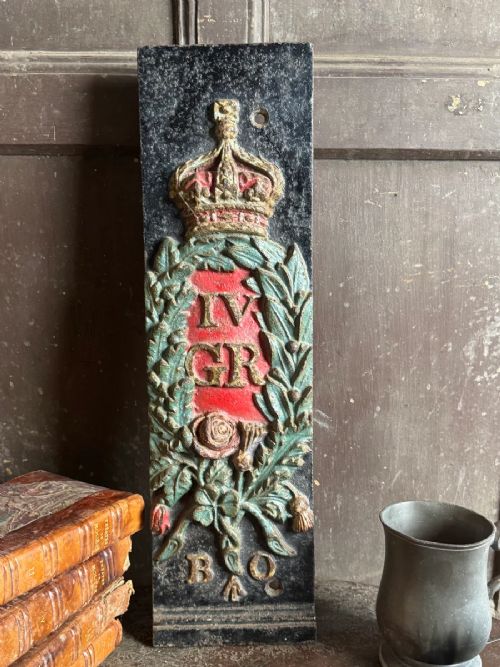
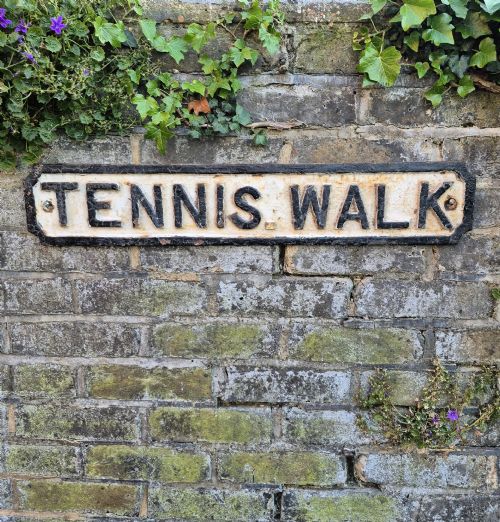
When you search for a black iron plaque, you are looking at heavy metal signage, armorial markers, and architectural items designed for public or private display. These pieces span the Georgian period, the Victorian era, and the early twentieth century, reflecting industrial and folk art traditions.
The versions you are most likely to meet on this page include cast iron street signs, painted railway signs, and decorative wall plaques. They range from utilitarian British railway and street signage to ornate armorial and inlaid pieces.
Origins vary widely across the selection, featuring British industrial items alongside Japanese patinated iron work and Imperial Russian cast iron. Each object carries the distinct material footprint and aesthetic of its original working context.
Methods of manufacture
The primary material in these pieces is cast iron or sheet iron, shaped through foundational metalworking techniques such as casting and sheet metal fabrication. This gives the objects their characteristic heavy weight and structural rigidity.
Surface decoration frequently involves applied paint, alongside specialised detailing like gold and silver inlay found on specific patinated iron pieces. These finishes served both to protect the metal from corrosion and to display heraldic or lettering information clearly.
Listings feature items spanning the Georgian period, the Victorian era, and the 1920s, constructed primarily from cast iron, sheet iron, and paint.
Assessing quality
Quality in these metal objects rests on the crispness of the casting and the original integrity of the surface paint or patination. Pieces with sharp lettering, well-defined armorial details, and undisturbed historic finishes stand apart from simpler utilitarian items.
The complexity of the manufacturing process also distinguishes the range, particularly where intricate pierced work, multi-metal inlay, or specialised architectural casting is involved. Greater skill in the initial foundry work creates a more compelling decorative object.
Kasli Foundry·J. & H. Keyworth and Co
The Black Iron Plaque Glossary
- Armorial plaque
- A decorative panel displaying heraldic coats of arms or family crests, often cast in iron to mark a building or institution.
- Cast iron
- An iron-carbon alloy poured into a mould to form solid objects, valued for its strength and ability to capture fine detail.
- Patinated iron
- Metal surfaces showing natural or induced colour changes over time, sometimes enhanced with gold and silver inlay for visual depth.
- Sheet iron
- Thin metal plates rolled or hammered into flat sheets, utilised for lightweight signs and decorative wall art.
Black Iron Plaque: Frequently Asked Questions
What is a black iron plaque?
A black iron plaque is a durable metal sign, armorial marker, or decorative wall piece made from cast or sheet iron. These objects were originally produced for industrial, municipal, or architectural purposes.
Today, they function as striking wall art and historical artefacts that bring texture and industrial heritage to interior spaces.
How were these metal plaques used?
Many of these items served practical functions in public spaces, such as street signs, railway notices, and trade markers for businesses. Others were decorative architectural elements mounted on buildings to display heraldry or authority.
Over time, these functional objects transitioned into collectible pieces valued for their graphic typography and robust material history.
How do I hang a heavy iron plaque?
Because cast iron and sheet metal objects carry significant weight, they require secure wall fixings suited to the specific wall construction. Using appropriate masonry anchors or finding solid timber studs ensures the piece is supported safely.
It is essential to check the existing mounting points or back frames of the plaque before installation to ensure the hardware matches the weight of the metal.
How can I tell the period of an iron plaque?
Dating relies on examining the manufacturing techniques, typography style, and material composition evident in the piece. Georgian and Victorian examples often feature hand-painted lettering and specific armorial designs, while twentieth-century items reflect industrial standardisation or distinct regional styles.
Comparing the casting sharpness and surface finishes helps place the object within its historical production era.