




Antique Industrial Signage
Antique industrial signage brings utilitarian metal, glass and wood into modern interiors with authentic workplace history.
Antique Industrial Signage
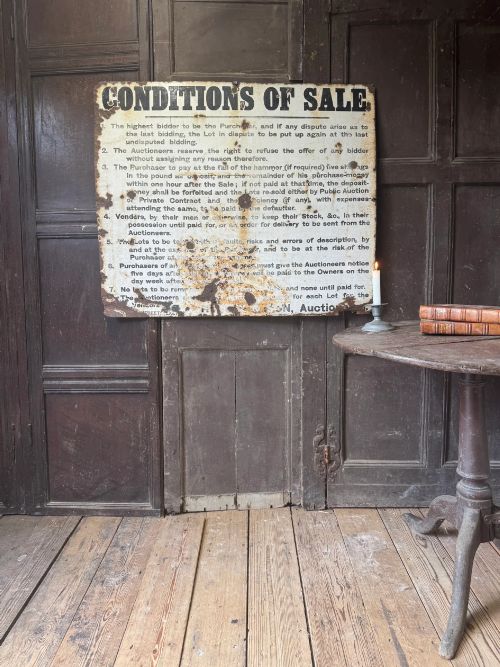
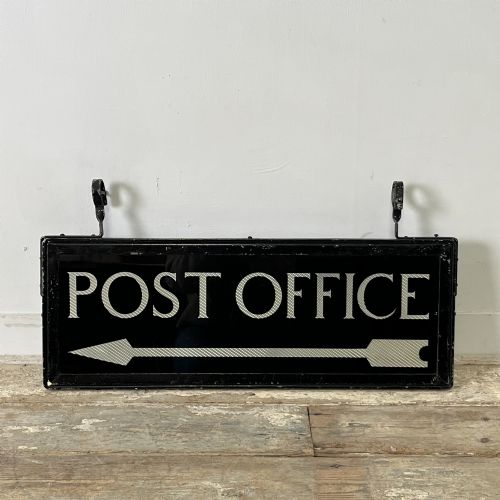
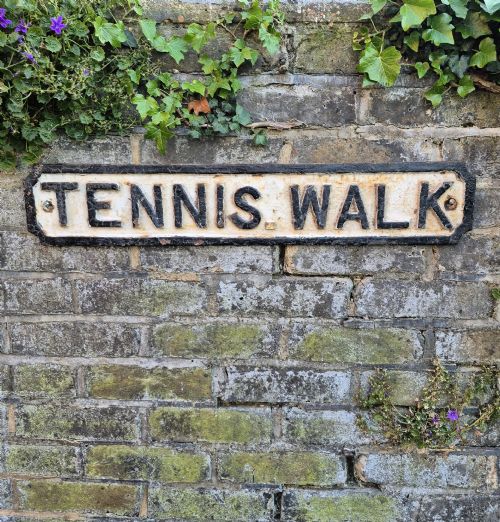
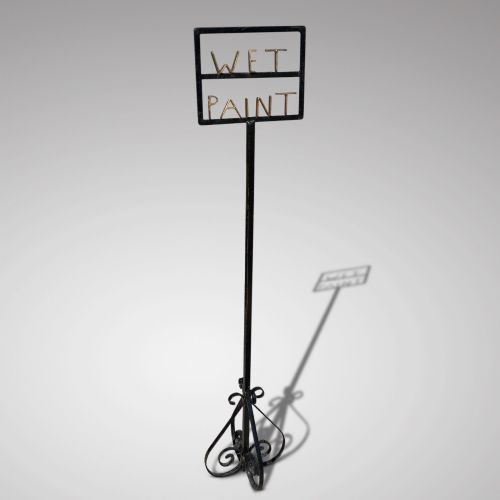
When you search for antique industrial signage, you encounter utilitarian markers created for trade, transport and public spaces from the early twentieth century. These pieces record working lives through street names, railway warnings, post office directions and tradesman boards.
You are most likely to meet painted metal and cast iron versions on this page, originating from British, French and Edwardian contexts. Wall signage and trade signs dominate the forms, reflecting how businesses and railways once communicated with the public.
The objects range from double-sided glass direction markers to heavy iron gate notices, spanning decades from Victorian industrial origins through to mid-century salvage. Each item carries the distinct lettering and weathering of its original commercial environment.
Materials and construction methods
Maker workshops utilised durable metals such as cast iron, wrought iron, brass, and sheet metal to withstand demanding outdoor and factory environments. Painters applied direct lettering onto prepared metal surfaces, while glass panels were incorporated into double-sided direction signs for visibility.
Enamel finishes provided weather resistance for public telephone and railway notices, fusing glass to metal at high temperatures. Wood and oak featured in rustic direction boards and locksmith signs, sometimes enhanced with glass reflectors.
A cast iron sign strictly commands passers-by to shut a railway gate.
Assessing quality in signage
Quality rests in the clarity of the typography, the integrity of the original paint surface, and the substantial weight of the metal or timber. Signs retaining their authentic hand-lettered brush marks or crisp cast lettering command greater appreciation than later repainted examples.
The sophistication of the mounting brackets, the complexity of double-sided construction, and the survival of uncommon trade subjects differentiate ordinary utilitarian markers from exceptional pieces of salvage.
J and H Keyworth and Co·London and Southwestern Railway
The Antique Industrial Signage Glossary
- Cast iron
- A hard, brittle alloy of iron and carbon poured into moulds to create rigid plates with raised lettering.
- Enamel sign
- A metal panel coated with fused glass powder, offering a glossy and resilient surface for public notices.
- Trade sign
- A board or metal marker displayed outside a business to advertise a specific occupation or service.
- Architectural salvage
- Building elements and fixtures rescued from demolition or alteration for decorative reuse.
- Double sided
- A hanging sign featuring legible lettering or glass panels on both faces for visibility from multiple directions.
Antique Industrial Signage: Frequently Asked Questions
How were these signs originally displayed?
Signage of this era was bolted to exterior walls, hung above shop doorways, or mounted on railway posts to direct the public and identify trades.
Many featured brackets or double-sided glass panels specifically designed to project outward from buildings for maximum pedestrian visibility.
How do I date an industrial sign?
Dating relies on material composition, typography styles, and specific historical references such as railway company names or trade designations.
Early twentieth-century pieces often display characteristic cast lettering, heavy iron frames, and traditional hand-painted enamel finishes.
Can these signs hang outdoors today?
While originally built for exterior use, surviving antique pieces often show decades of weathering that make them sensitive to modern moisture.
Many collectors prefer to display them indoors to preserve fragile painted metal and historic glass surfaces from further deterioration.
What is architectural salvage signage?
This category covers markers rescued from functional buildings, railway stations, and urban infrastructure before demolition.
It preserves the utilitarian graphic design and heavy metal fabrication of working environments that no longer exist.