

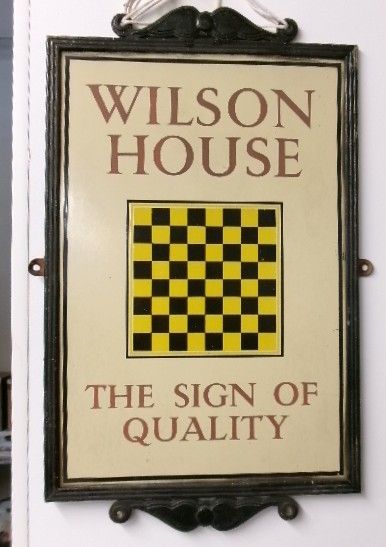


Antique Metal Trade Plaque
An antique metal trade plaque is a piece of commercial history, offering robust wall signage that once advertised historic shops and trades.
Antique Metal Trade Plaque
When you search for an antique metal trade plaque, you encounter commercial wall signage created to advertise businesses, tradesmen, and shops from the late nineteenth century through the early twentieth century. These objects served a purely utilitarian function, marking premises with durability and clarity before modern plastics and digital media took over.
The selection on this page centres on items spanning from the late Victorian period, through the Edwardian era, up to the 1930s. You will find wall signs, hanging trade signs, and double-sided advertising pieces originating from English and French workshops alike.
Forms vary from flat painted sheet metal panels to shaped iron pieces modelled as pocket watches or specific trade symbols. They range from simple local painter notices to branded enamel signs for confectioners, pharmacies, and hardware merchants.
How they were made
These items rely on durable base materials like iron, sheet metal, and enamelled steel designed to withstand outdoor conditions. Workshops employed casting, sheet shaping, and framing techniques to produce sturdy plaques capable of hanging above a shopfront or mounting directly to a wall.
Surface decoration frequently involves vitreous enamel or applied paint to ensure longevity and legible lettering. Vitreous enamel fused glass to metal at high temperatures, creating glossy, weather-resistant advertising panels, while other pieces utilised direct hand-painting on metal substrates, sometimes with gilt details.
Listings show items spanning the late nineteenth century, the Edwardian era, and the 1930s, utilising paint, sheet metal, iron, and vitreous enamel.
What varies in quality
Quality in these commercial pieces rests on the integrity of the original graphics and the preservation of the metal or enamel surface. Stronger examples retain their original painted or enamelled lettering with minimal loss, whereas lesser specimens suffer from heavy corrosion or obscured text.
The sophistication of the form also dictates the tier of the piece, moving from standard rectangular wall signs to complex shaped objects like hanging pocket watches or cast iron plaques. Original frames and intact mounting hardware elevate the physical completeness of the signage.
J. and H. Keyworth and Co
The Antique Metal Trade Plaque Glossary
- Vitreous Enamel
- A material made by fusing powdered glass to a metal substrate at high heat. This process produced a hard, glossy, and chemically resistant surface ideal for outdoor advertising.
- Sheet Metal
- Metal formed into thin, flat pieces through industrial rolling processes. It served as a lightweight base for painted shop signs and wall signage.
- Cast Iron
- Iron poured into a mould to create rigid, durable objects. It was utilised for heavier trade signs that required structural strength and moulded detail.
- Double Sided Sign
- A sign finished on both faces so pedestrians could read the advertisement from either direction along a street. These typically hung perpendicular to the building facade.
- Folk Art
- Objects created by self-taught or non-professional makers working within a traditional craft community. In trade signage, this appears as uniquely hand-painted local shop notices.
Antique Metal Trade Plaque: Frequently Asked Questions
What is an antique metal trade plaque?
An antique metal trade plaque is a piece of commercial wall signage used by historical shops, tradesmen, and businesses to advertise their services or goods to the public. These items were manufactured from materials like iron, sheet metal, and enamelled steel to endure outdoor weather conditions.
They encompass a range of forms, from flat painted wall panels to shaped hanging signs and double-sided enamel boards. Today, they survive as examples of early commercial art and industrial history.
How were these signs originally displayed?
Shops mounted these signs directly onto exterior walls, above doorways, or suspended them perpendicular to the building on iron brackets. Hanging formats allowed pedestrians walking along the street to spot the business from a distance.
Many featured double-sided text and graphic panels specifically designed for perpendicular hanging. Others were framed and fixed flat against the brickwork of pharmacies, watchmakers, and painters.
How do I date a metal trade sign?
Dating relies on the materials, manufacturing techniques, typography, and specific trade context of the piece. Items from the late nineteenth century often feature hand-painted sheet metal or early cast iron, while the Edwardian period and the 1930s saw an increase in vitreous enamel advertising.
Stylistic cues such as serif lettering, French or English trade terminology, and the presence of original frames also help narrow down the period. Comparing the construction methods to documented commercial artefacts provides a reliable timeline.
How do I care for a metal sign?
Caring for these items involves keeping them in a stable indoor environment away from excessive moisture and direct sunlight. Gentle dusting with a dry cloth protects painted and enamelled surfaces from abrasive wear.
Avoid using harsh chemical cleaners or abrasive polishes that can strip away original paint layers or damage the vitreous enamel. Preserving the patina ensures the historic character of the metal remains intact.