



Retro Shop Sign
A retro shop sign carries the grit and trade of the early twentieth century street, built from iron, glass, and vitreous enamel to command attention.
Retro Shop Sign
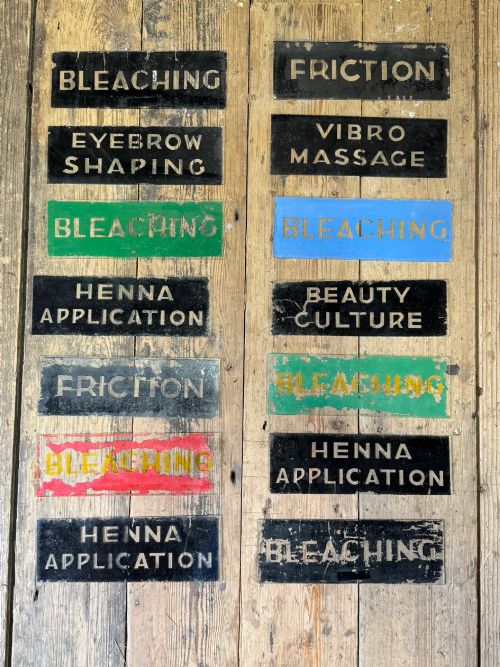
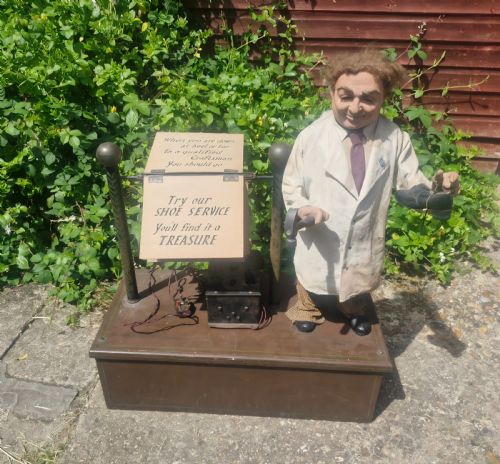
A retro shop sign is a commercial artefact from the early twentieth century, spanning periods from the 1920s to the 1940s, designed to identify trades and businesses. These pieces encompass wall signs, trade signs, advertising signs, and shop display models.
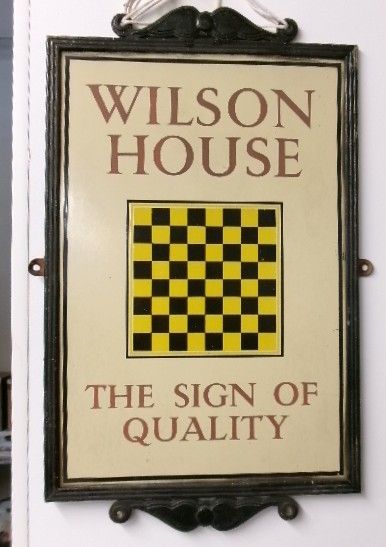
The objects most frequently met on this page include advertising enamel signs, painted glass signs, and specific trade indicators like dental, pharmacy, and cobblers displays. Forms range from framed wall pieces to brass spoon and fork café markers and pendant lighting.
Origins stretch across English commercial history, utilising styles such as Art Deco, mid-century industrial, and early twentieth century commercial to project the identity of establishments like hair salons, newspaper offices, and shoe shops.
How they were made
Materials recorded in the evidence rely heavily on metal, iron, brass, and wood, which provide the structural frames and hanging mounts for the displays. Glass and vitreous enamel are fused or painted to create durable, weather-resistant surfaces for outdoor and indoor trade use.
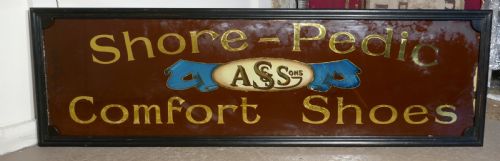
Techniques involve reverse-painting on glass, gold leaf application, and vitreous enamel firing, alongside traditional carpentry for wooden frames and metal fabrication for display models.
What varies in quality
Quality rests in the survival of original materials, such as untouched wooden frames, genuine gold leaf, and intact vitreous enamel surfaces without extensive porcelain loss. The sophistication of the typography and the complexity of the trade application, from simple lettering to pictorial graphics, define the tier of the piece.
The integrity of the mounting and display mechanism, particularly in automated or sculptural shop display models and trade sign lights, separates standard functional markers from exceptional survivals.
The Retro Shop Sign Glossary
- Vitreous Enamel
- A material created by fusing powdered glass to a metallic substrate at high temperatures. This process results in a glossy, hard-wearing coloured surface that resisted weathering on shop exteriors.
- Reverse-Painted Glass
- A technique where the artist paints the design on the back side of a glass panel so the image is viewed through the front. This method protects the pigment from dirt and damage.
- Trade Sign
- An object or board hung outside a premises to indicate the specific occupation of the proprietor. These often took the shape of the goods sold, such as a spoon, fork, or boot.
- Gold Leaf
- Gold beaten into extremely thin sheets and applied to surfaces with size. It provided a lustrous, non-tarnishing finish for lettering on wooden and glass signs.
Retro Shop Sign: Frequently Asked Questions
What trades used these signs?
The evidence shows signs originating from hairdressing establishments, cafés, cobblers, pharmacies, and dental practices.
Newspaper offices and shoe shops also utilised bespoke advertising signs and mirrors to promote specific footwear brands.
How were enamel signs mounted?
Enamel signs were frequently manufactured with pre-drilled corner holes for direct screw mounting to exterior brickwork or wooden shop fascias.
Others were fitted into purpose-built iron or wooden frames to protect the edges from impact.
Are these signs waterproof?
Vitreous enamel and painted glass surfaces were inherently designed to withstand outdoor conditions on shop fronts.
However, surviving examples set in original wooden frames require careful placement indoors to protect the timber and backing.
How do I date a trade sign?
Dating relies on stylistic indicators such as Art Deco typography, the presence of mid-century industrial construction methods, and materials typical of the 1920s to 1940s.
Makers' names and specific regional company titles inscribed on the piece also anchor the object to its production era.