


Industrial Wall Sign
An industrial wall sign brings hard-wearing workshop history and utilitarian design straight into domestic spaces.
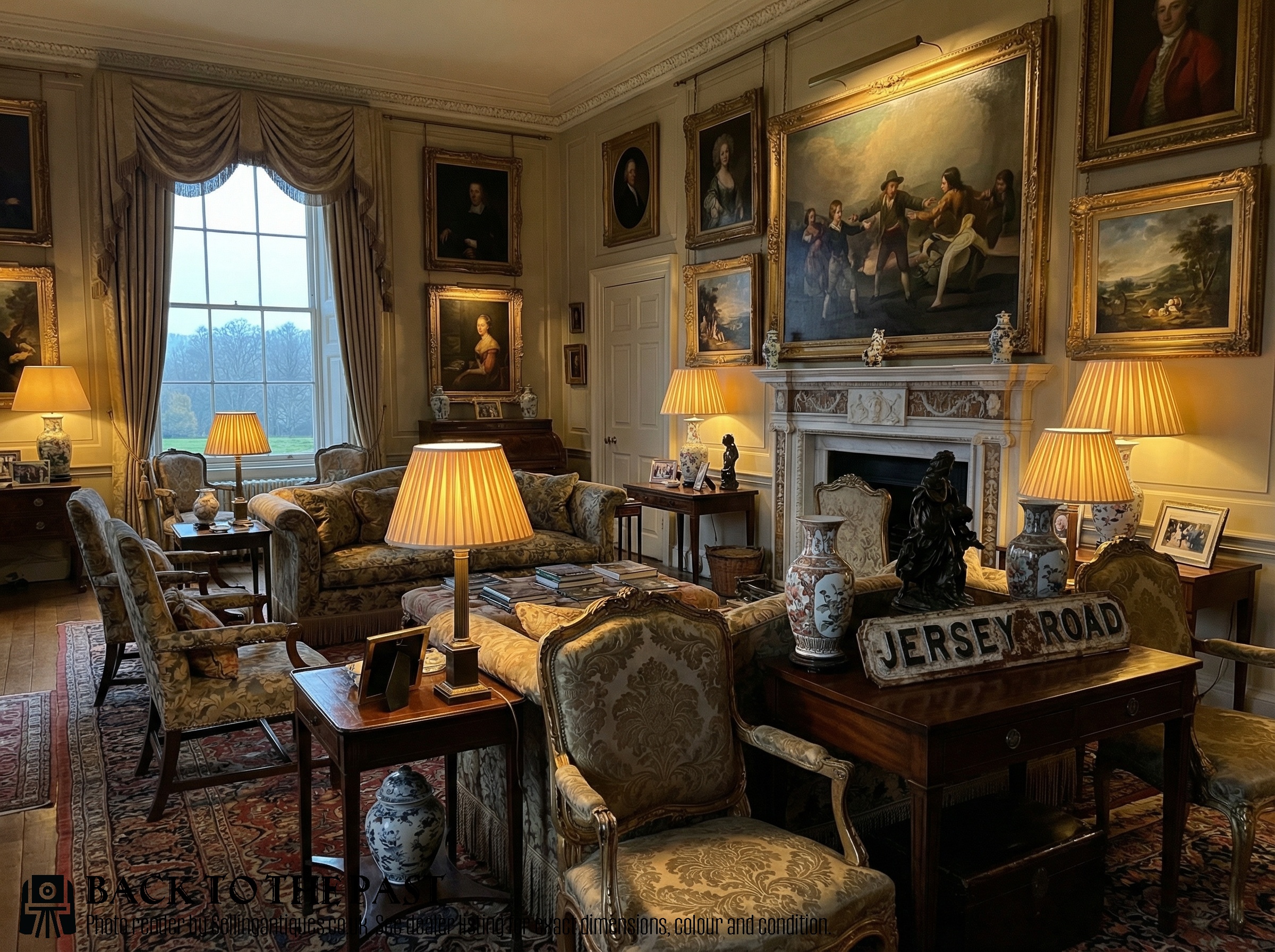
Industrial Wall Sign
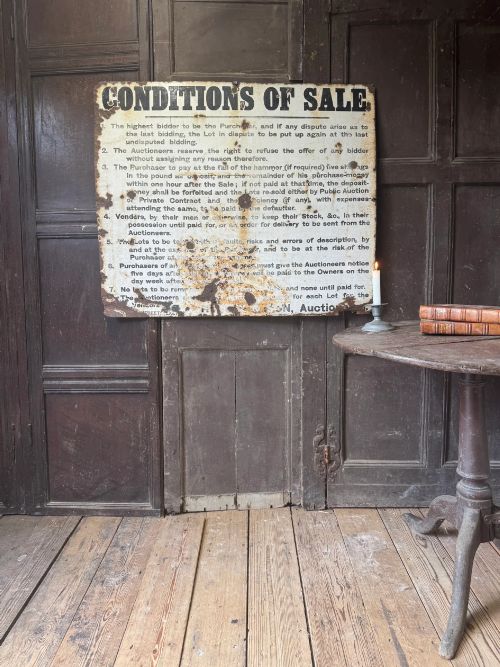
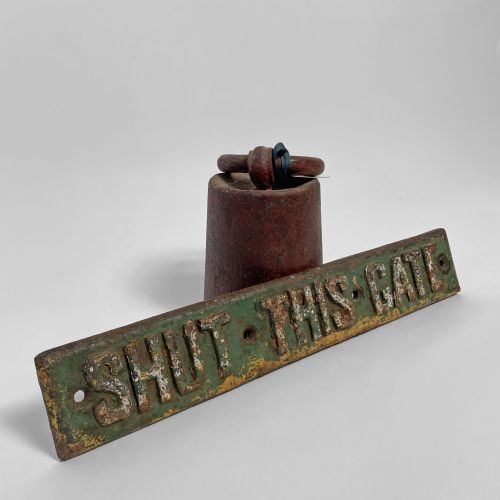
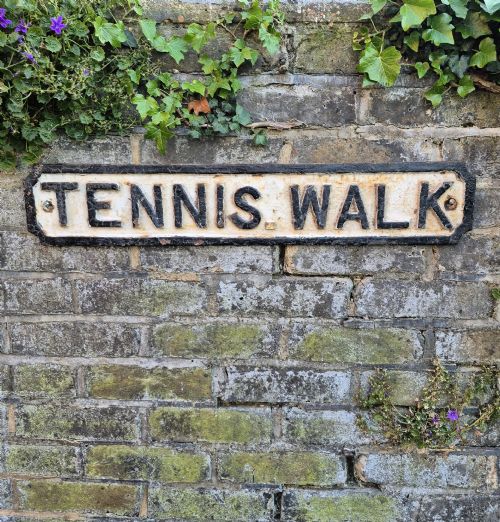
An industrial wall sign encompasses metal street plaques, railway notices, trade advertisements and painted workshop boards originating from the late nineteenth century through to the mid-twentieth century. These utilitarian objects served practical purposes in factories, on transport networks, and above merchant premises before finding a second life as decorative interiors. The selection spans robust cast iron notices, double-sided glass direction markers, and large advertising clocks.
The most common examples encountered on this page date from the 1920s and 1930s, reflecting the interwar expansion of commerce and transport. Railway companies, post offices, and local authorities commissioned durable signage to direct the public and regulate machinery. Alongside these metal and glass pieces, buyers also find painted canvas oil works depicting factories and maritime scenes, bridging commercial artefact and fine art.
How they were made
Makers utilised heavy-duty iron, sheet metal, and cast iron to withstand the rigours of railway lines, street corners, and factory floors. Founders poured molten metal into sand moulds for raised lettering, whilst others painted directly onto sheet metal or canvas surfaces.
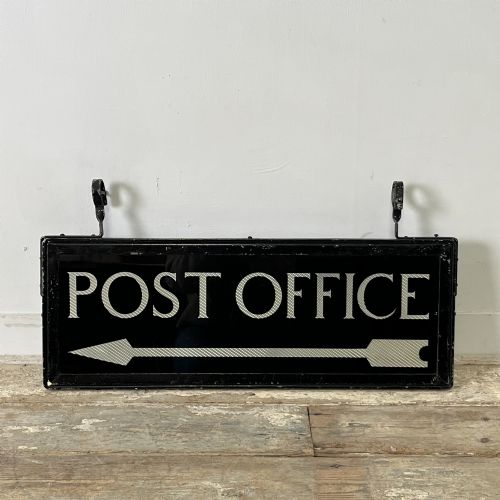
Glass panels were shaped for double-sided hanging signs, allowing visibility from multiple directions in busy thoroughfares or post offices. Enamel finishes provided a glossy, weather-resistant coat that protected the underlying metal from rust and daily wear.
The listings feature painted cast iron, sheet metal, canvas, and glass spanning from the late Victorian era to the mid-twentieth century.
What varies in quality
The distinction between ordinary utility items and exceptional survivals lies in the crispness of the casting, the legibility of the hand-painted lettering, and the integrity of the original surface. Pieces bearing specific local provenance, such as named regional railways or named tradesmen, carry greater historical resonance than generic notices.
Preservation of the original paint and enamel dictates the visual impact of each piece. Surface weathering that tells a genuine story of outdoor exposure enhances character, whereas crude overpainting obscures the authentic industrial finish.
Smiths of London·J. and H. Keyworth and Co
The Industrial Wall Sign Glossary
- Cast iron
- A sturdy iron-carbon alloy poured into moulds to create rigid plates with raised lettering. It was the standard material for durable outdoor railway and street notices.
- Enamel sign
- A metal plate fused with powdered glass at high temperatures to create a smooth, glossy, weather-resistant surface. This technique kept colours vibrant despite decades of exposure to the elements.
- Trade sign
- A hanging or wall-mounted object shaped like the goods or tools sold within a shop, designed to catch the eye of illiterate or passing pedestrians. Examples include oversized pocket watches and locksmith symbols.
- Architectural salvage
- Building components, plaques, and fixtures rescued from structures slated for demolition. These pieces retain the material history of destroyed Victorian and Edwardian infrastructure.
Industrial Wall Sign: Frequently Asked Questions
How were industrial wall signs originally used?
These signs guided passengers on railway platforms, directed post office queues, and marked the premises of locksmiths and auctioneers. They functioned purely as utilitarian instructions and commercial advertisements in bustling public spaces.
Over time, exposure to factory soot and weather created distinct patinas that reflect their demanding working origins.
How can I tell a reproduction from an original?
Original pieces display authentic wear patterns, including oxidation around fixing holes, surface crazing in enamel, and hand-mixed pigments from the nineteenth or early twentieth century. Modern reproductions often feel too uniform and lack the weight of genuine cast iron.
Examine the edges and fixings for signs of genuine age rather than artificially applied distress.
Can outdoor signs be displayed inside a home?
These pieces transfer readily to indoor living spaces, kitchens, and studies where their bold typography adds strong visual contrast. Interior placement also protects fragile glass and original painted surfaces from further weather damage.
Keep them away from excessive moisture to preserve any exposed iron or vintage paint.