
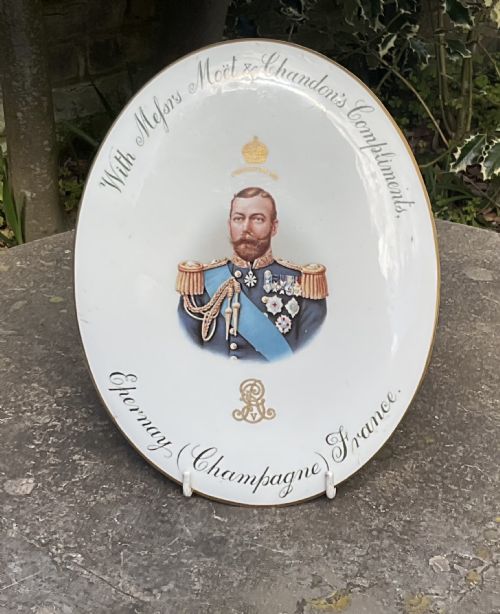


Vintage Porcelain Sign
A vintage porcelain sign carries the weight of commercial history, combining durable vitreous enamel with striking graphic design to advertise past trades.
Vintage Porcelain Sign
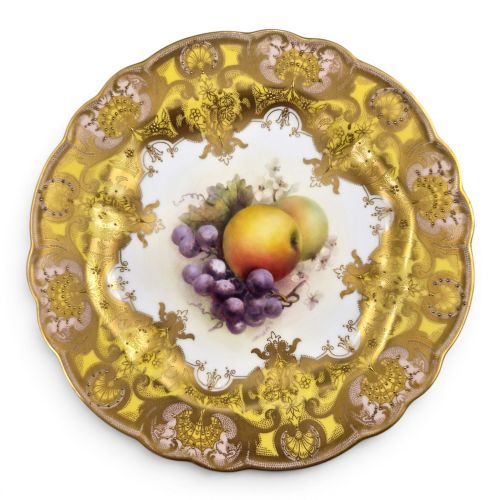
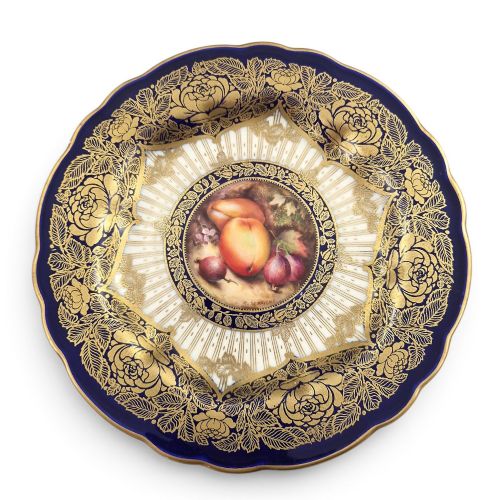
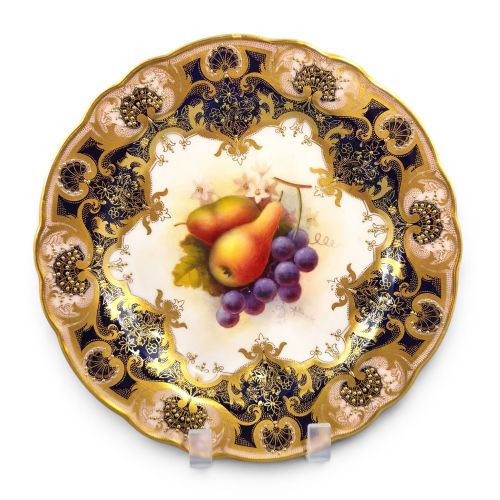
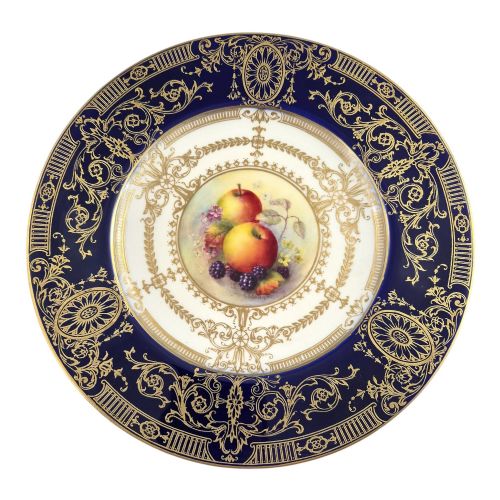
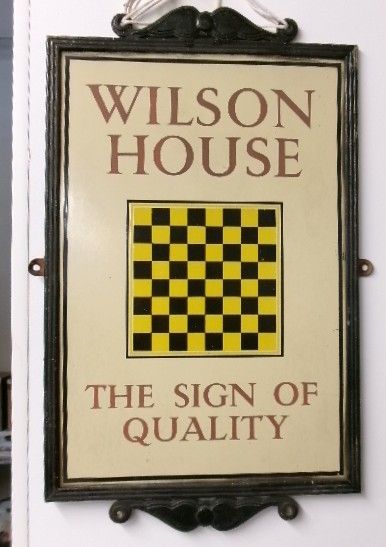
A vintage porcelain sign represents a durable form of outdoor and indoor commercial advertising, utilising fused glass on iron plates to withstand the elements. These artefacts capture the visual culture of commerce from periods such as the nineteen-thirties, featuring bold lettering and branding designed to catch the eye of the passing public. While the listings here span various decorative porcelain plates and vessels alongside advertising boards, the advertising plaques remain distinct in their industrial utility.
Collectors encounter pieces that range from framed domestic wall plaques to large pictorial advertisements for household names and beverages. The materials combine heavy iron bases with glossy vitreous enamel coatings, occasionally enhanced with framing or original suspension fixings. These items bring a tangible slice of mid-century and earlier commercial heritage into modern interiors.
Manufacturing and materials
The construction of a vintage porcelain sign relies upon the fusion of powdered glass enamel to a heavy iron or metal sheet under high kiln temperatures. This vitrification process creates a glossy, chemically resistant surface that protects the underlying iron from rust while locking in vibrant coloured pigments. Artisans applied successive layers of enamel to build up multi-coloured designs and lettering.
Stencilling and screen-printing techniques allowed makers to produce sharp typographic details and consistent corporate imagery across production runs. Once fired, the robust panel gained a smooth, glass-like finish capable of enduring decades of exposure without fading its core palette.
Some signs spent decades outdoors holding up local tavern walls before finding sanctuary in quiet collector cabinets.
Assessing quality and condition
The quality of a vintage porcelain sign rests upon the crispness of the original lithography or stencilling, the depth of the enamel gloss, and the preservation of the surface against chipping. Superior examples retain their original mounting frames, vibrant primary colours, and glossy sheens without extensive porcelain loss around the fixing holes. Lesser specimens suffer from heavy rust bleeding, extensive enamel flaking, or overpainting that obscures the original manufacturer's finish.
Signage produced with multi-layered firing techniques displays richer colour saturation and finer typographic control than simpler utility boards. The distinction between a top-tier survivor and a heavily weathered piece depends entirely on how well the fused glass layer has protected the iron substrate beneath over decades of service.
Royal Worcester·Royal Doulton·Royal Crown Derby·Royal Vienna·Herend
The Vintage Porcelain Sign Glossary
- Vitreous Enamel
- A material made by fusing powdered glass to a substrate by firing, usually between eight hundred and nine hundred degrees Celsius. This creates a durable, glossy coating impervious to most chemical corrosion.
- Pictorial Sign
- An advertising board featuring graphic illustrations or imagery alongside text, rather than typography alone. These pieces often command greater interest from collectors due to their visual complexity.
- Gilding
- The application of gold leaf or powder to a surface for decorative enhancement. This technique appears on finer ceramic wares associated with the listings.
- Earthenware
- A porous pottery body fired at lower temperatures than porcelain. It requires a vitreous glaze to become impermeable to liquids.
Vintage Porcelain Sign: Frequently Asked Questions
How do I hang a heavy porcelain sign?
These panels require secure wall anchors that match the weight of the iron backing plate. Utilising the original mounting holes with protective rubber washers prevents further stress on the enamel.
Ensure the fixings bite directly into solid masonry or studwork rather than relying on plasterboard alone. This safeguards both the wall and the fragile glass coating around the edges.
Can these signs be displayed outdoors?
While originally designed for exterior trade use, surviving examples benefit from stable indoor environments to halt atmospheric corrosion. Exposure to continuous dampness can cause rust to form behind the enamel edges.
Keeping the panels away from direct weather prevents moisture from lifting the glass layer off the iron base. Periodic gentle cleaning preserves the glossy finish without scratching the surface.
What causes chipping on enamel signs?
Impacts from hardware, twisting during historic installation, or dropping the heavy iron plate cause the fused glass to fracture and pit. Because enamel is essentially glass bonded to metal, it lacks flexibility under physical stress.
Losses around the screw holes are particularly common due to overtightening during past commercial use. These areas require careful handling to prevent further flaking.
How should I clean my porcelain sign?
A soft cloth dampened with warm water and mild soap removes accumulated dust and surface grime safely. Avoid abrasive scouring pads or harsh chemical solvents that dull the vitreous gloss.
Dry the iron edges thoroughly after washing to prevent any exposed metal from developing surface oxidation. Regular dusting maintains the reflective quality of the enamel.