






Antique Store Advertising
These antique store advertising pieces are original trade signs, cabinets, and figures that brought customers through the door, offering character and historical commerce for your home.
Antique Store Advertising
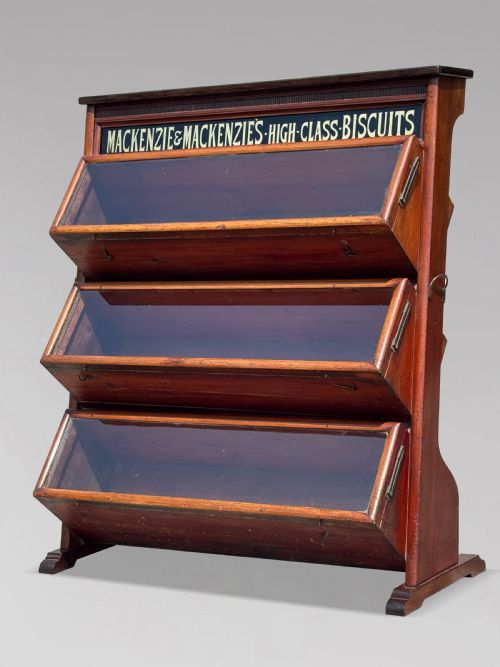
When you search for antique store advertising, you encounter commercial items designed to promote products and businesses from the nineteenth and early twentieth centuries. These pieces range from trade signs and painted glass window panels to shop display models, storage crates, and dedicated counter cabinets.
The items span the Victorian, Edwardian, and Art Deco eras, capturing a period when high street shops relied on physical presence and clever marketing to draw the eye. You are most likely to meet utilitarian display cabinets, enamel signs, and wooden storage crates on this page, alongside occasional sculptural figures and trade signs.
Origins vary from local British workshops to French ateliers and American storefronts, reflecting international commercial traditions. Each object serves as a direct survival from working retail environments, bridging the gap between utilitarian shop fittings and decorative art.
Assessing quality in trade pieces
Quality rests in the survival of original surfaces, such as untouched paintwork on advertising figures, crisp reverse cutting on glass panels, and the depth of grain in mahogany or walnut display cabinets. Pieces that retain their original frames, clear lettering, and authentic patination command greater interest than those with heavy later repainting.
The complexity and scale of the item also dictate its standing, moving from simple utilitarian storage crates to intricate automated display models or life-size composition figures. Superior examples demonstrate skilled hand-carving and careful typographic design executed by specialist commercial signwriters.
Listings feature items from the nineteenth century through the Art Deco period, including Edwardian commercial pieces and nineteen-twenties shop fittings.
The Antique Store Advertising Glossary
- Trade sign
- A board, figure, or object hung outside or inside a shop to indicate the trade practised within. These objects rely on clear iconography to inform passing customers.
- Reverse cut glass
- A technique where glass is etched, gilded, and painted from the back to create a durable, glossy sign that protects the design from surface wear.
- Enamel sign
- A metal sheet fused with powdered glass at high temperatures to produce a weather-resistant graphic panel. They were widely used by brands for outdoor promotion.
- Display cabinet
- A glazed wooden piece of furniture used on shop counters to showcase goods securely to buyers. They often feature branded lettering on the frame or glass.
- Advertising figure
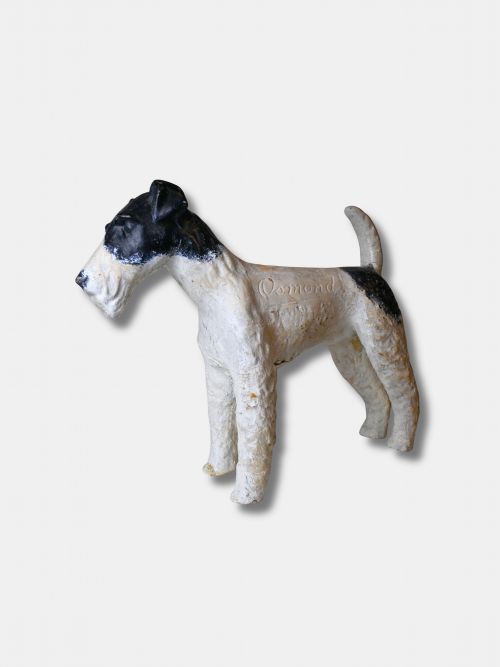
- A three-dimensional sculpture or mannequin representing a character, animal, or product to attract attention. These range from carved wooden figures to composition dogs and human models.
Antique Store Advertising: Frequently Asked Questions
What is antique store advertising?
Antique store advertising comprises the physical signs, display cases, figures, and crates used by merchants in the nineteenth and early twentieth centuries to promote their wares.
These pieces were working items placed inside or outside shops to catch the eye of the public before modern digital marketing existed.
How were trade signs used?
Trade signs hung above doorways, sat in shop windows, or stood on pavements to broadcast the services or goods sold inside. A pocket watch sign indicated a jeweller, whilst an oversized tooth pointed customers towards a dentist.
They functioned as visual landmarks in busy streets where literacy rates or quick pacing meant symbols mattered more than long text.
How do I date an enamel sign?
Dating enamel signs involves examining the typography, the manufacturing techniques, and the brand names or logos displayed on the metal surface. Art Deco and Edwardian examples often feature distinct font styles and colour palettes characteristic of those decades.
The weight of the iron base and the method of edge-rolling also offer clues to the period of manufacture.
Where should I place a display cabinet?
An antique shop display cabinet works well in a living room, study, or kitchen to showcase collections of smaller items behind original glass doors. Their compact proportions make them suitable for tabletops or placement against a prominent wall.
Ensure they sit away from direct sunlight to protect any historic wood finishes and painted interior labels.