
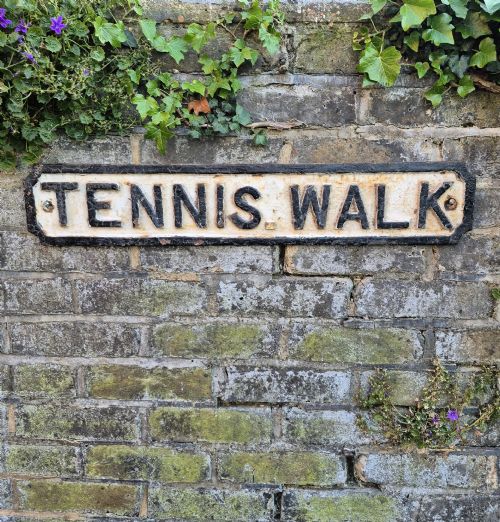
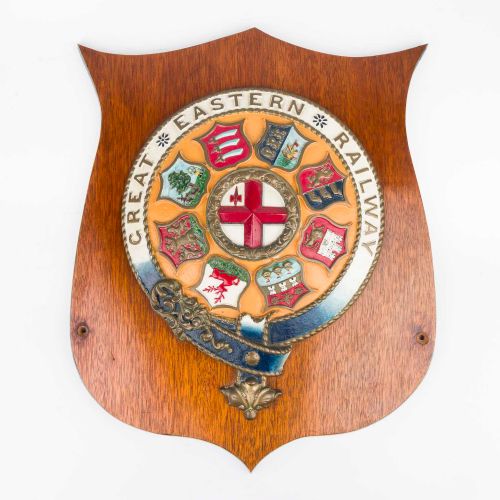


Cast Iron Wall Plaque
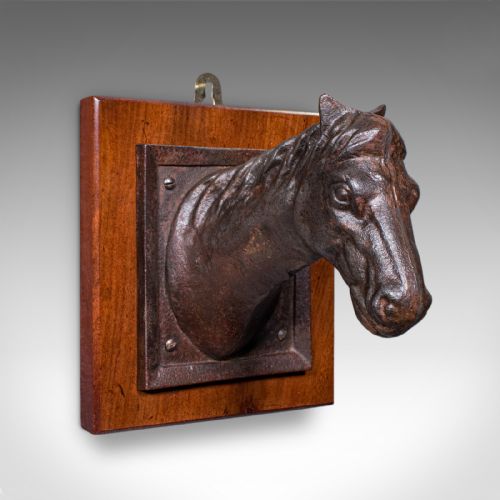
These heavy cast iron wall plaque pieces span railway signs, armorials and architectural salvage, offering robust history for any room.
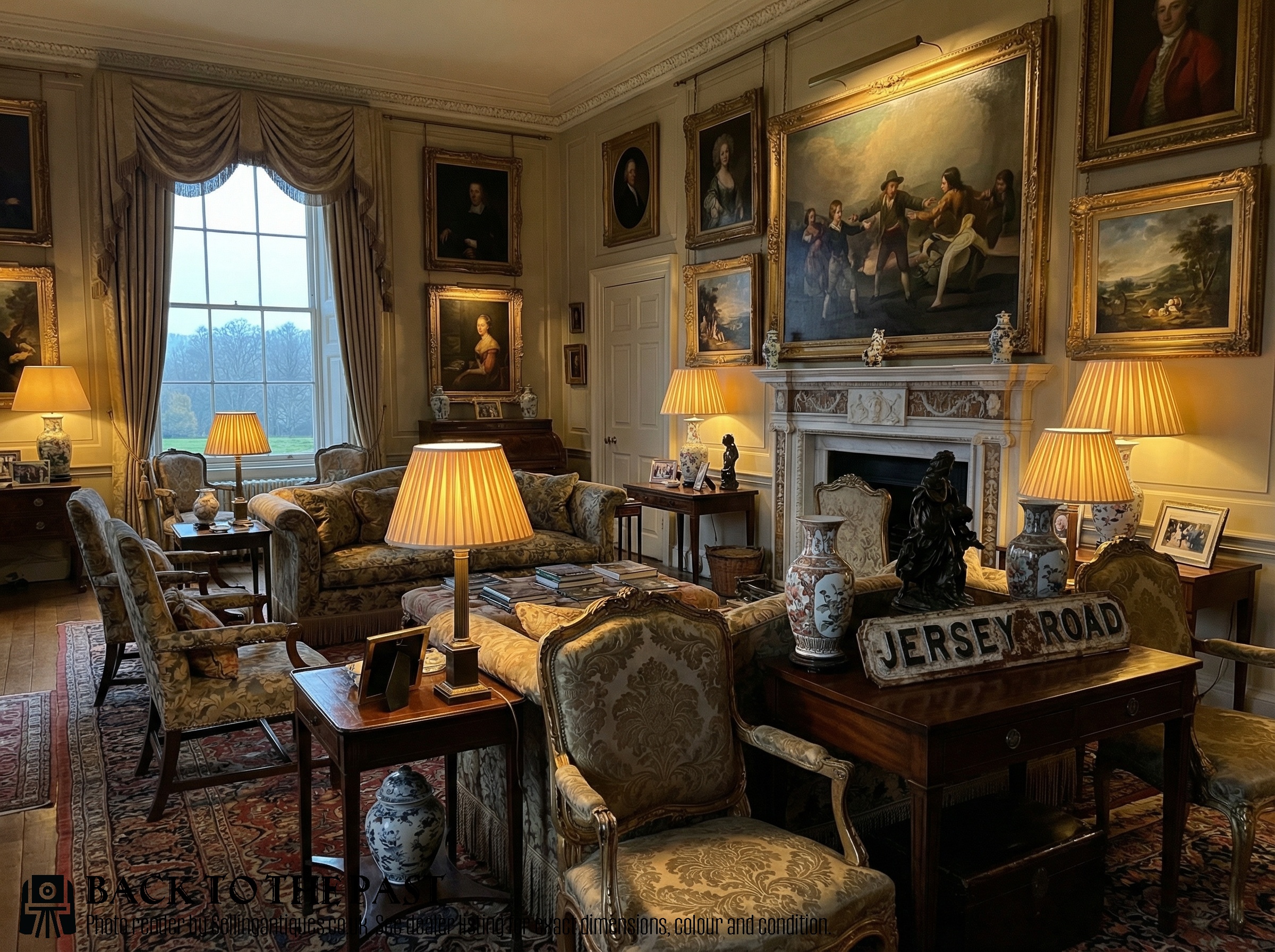
Cast Iron Wall Plaque
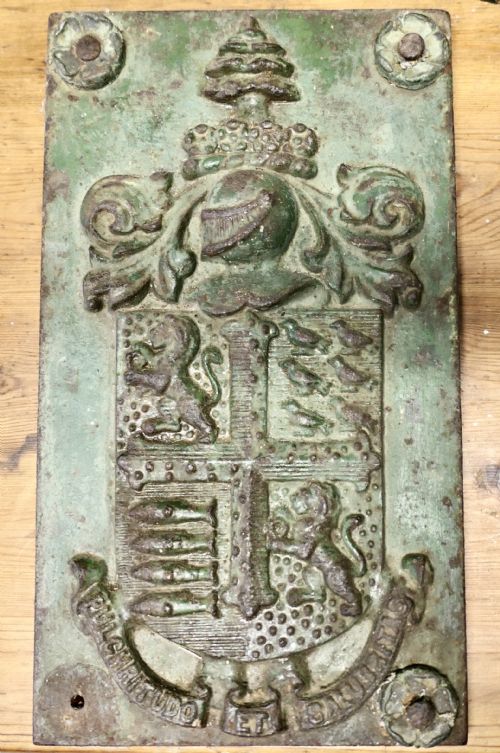
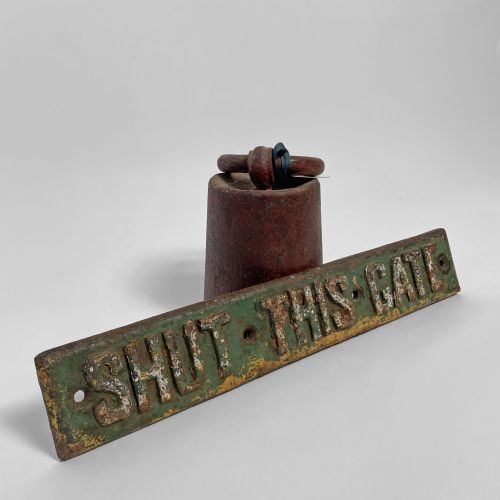
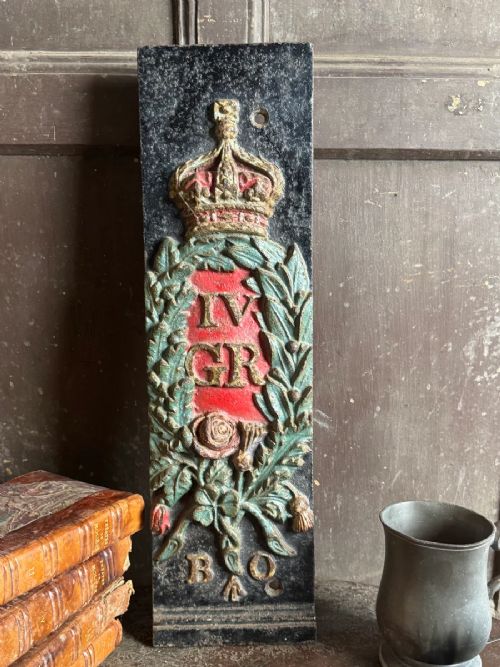
A cast iron wall plaque brings industrial weight and heraldic presence directly into domestic spaces. When you search for this phrase, you encounter utility markers, railway notices, railway signs and monumental royal coats of arms.
The selections here range from nineteenth century street signs and railway warnings to decorative balustrade panels and portrait plaques of Shakespeare and Rubens. Most examples combine utilitarian function with robust manufacture.
Victorian and Edwardian periods dominate the selections, alongside Georgian architectural pieces and nineteen twenties British industrial items. These items served distinct public and municipal purposes before entering private collections.
How They Were Made
Foundries produced these objects by pouring molten iron into sand moulds, capturing crisp lettering and deep relief detail. Skilled workers then finished the surfaces by hand, filing rough edges and smoothing backgrounds.
Many examples retain traces of original paint, enamel paint or gold leaf applied over the iron substrate. Some architectural and railway pieces incorporate wood, such as mahogany or oak mounts, to facilitate hanging.
Makers occasionally utilised alternative cast metal for specific commissions, though iron remains the primary medium. The resulting plates withstand outdoor exposure while offering lasting structural stability.
Listings feature items from the Georgian, Victorian and Edwardian periods, constructed in cast iron, wood, and enamel paint.
What Varies in Quality
Quality rests in the crispness of the casting and the depth of the relief work. Superior pieces display sharply defined lettering and intricate heraldic detailing rather than soft or blurred edges.
The survival of original surface finishes distinguishes standard utility pieces from exceptional commissions. Traces of early paintwork or gold leaf indicate careful maintenance and greater historical integrity.
Scale and subject matter also determine distinction, with monumental royal coats of arms and named railway foundry pieces commanding greater visual presence than simple directional markers.
The Cast Iron Wall Plaque Glossary
- Armorial
- Displaying heraldic bearings or coats of arms. These designs usually signify civic authority, railway companies or royal patronage.
- Architectural Salvage
- Building elements rescued from demolition or alteration. Such items often retain original weather-resistant finishes and structural fixings.
- Balustrade Panel
- An openwork section designed for a stair rail or balcony. These panels introduce architectural structure into wall displays.
- Enamel Paint
- A hard, glossy paint finish applied to metal surfaces. This coating provided visibility and protection for railway and street signage.
- Relief
- Sculptural projection from a flat background. High relief defines figures and lettering with strong shadow and three-dimensional presence.
Cast Iron Wall Plaque: Frequently Asked Questions
Were these railway signs displayed outdoors?
Railway and street notices spent decades exposed to weather along tracks and thoroughfares. This outdoor exposure accounts for the durable paint layers and weathered iron surfaces.
Protecting them indoors prevents further atmospheric degradation while preserving their historic patination.
How can I date a Victorian cast iron wall plaque?
Dating relies on lettering styles, foundry marks, and stylistic indicators associated with nineteenth century production. Royal coats of arms often correspond to specific monarchical reigns.
Comparing the typography with documented railway or municipal records provides further chronological accuracy.
Can these plaques be cleaned?
Dusting with a dry cloth or soft brush maintains the surface without disturbing fragile historic paint layers. Avoid abrasive cleaners or harsh chemical strippers that remove original patination.
Applying a light microcrystalline wax helps protect exposed iron from moisture.
What is the difference between a trade sign and a railway sign?
Trade signs advertised specific businesses and merchants, whereas railway signs directed passengers or regulated train operations. Railway examples frequently cite specific companies like the Great Eastern Railway.
Both categories reflect the industrial and commercial expansion of the nineteenth and early twentieth centuries.