


Antique Armorial Wall Plaque
These antique armorial wall plaque examples display heraldic crests and coats of arms carved, cast, or painted across several centuries.
Antique Armorial Wall Plaque
An antique armorial wall plaque represents family lineages, royal authorities, or institutional bodies through traditional heraldry. Buyers searching for an antique armorial wall plaque encounter items ranging from domestic marriage panels to monumental royal coats of arms.
The selections span multiple eras including the seventeenth, eighteenth, and nineteenth centuries, alongside early twentieth century productions. Forms vary from simple shields and wall reliefs to carved hardwood plaques and heavy cast iron crests.
Domestic and official pieces emerge through diverse regional styles, such as nineteenth century Dutch marriage panels or Italian Baroque marble crests. Each object serves as a decorative focal point that records historical genealogy and civic identity.
How They Were Made
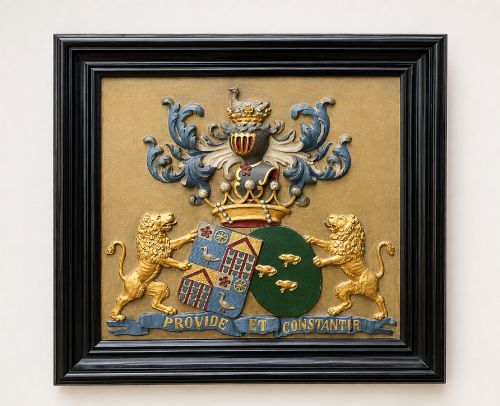
Maker workshops utilised traditional carving techniques on timbers such as oak, walnut, and assorted hardwoods. Artisans frequently applied polychrome paint, gold leaf, and gilt details to accentuate the raised sculptural elements of the heraldry.
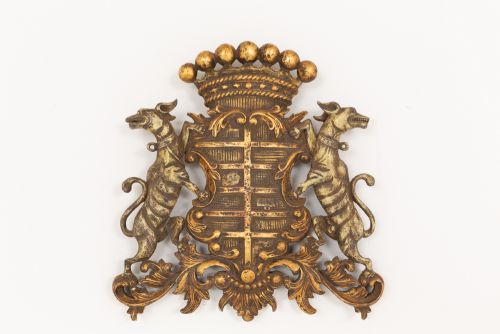
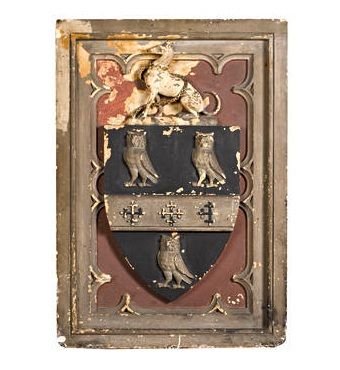
Foundries produced heavy metal variants using cast iron, bronze, and brass, sometimes mounting carved wooden crests directly into metal frames. Plaster compositions also appear, offering alternative mediums for relief panels produced during the nineteenth century.
Listings feature works spanning the seventeenth through to the mid-twentieth century, constructed from carved hardwood, cast iron, bronze, marble, and painted plaster.
What Varies in Quality
The standard of an antique armorial wall plaque rests on the crispness of the carving or casting and the survival of original polychrome paint and gilding. Pieces executed by skilled hands display precise detailing in heraldic charges, mantling, and motto scrolls.
Material selection and structural depth separate basic decorative items from superior works, particularly where monumental cast iron or fine Italian marble is employed. The historical provenance and documented lineage of the specific family crest further elevate the significance of the piece.
Van Rijckevorsel and Verheijen
The Antique Armorial Wall Plaque Glossary
- Armorial
- Relating to heraldry or bearing a coat of arms. This term describes objects decorated with hereditary symbols.
- Crest
- The specific component of a coat of arms placed upon a helmet or shield. It forms the central visual focus of many wall plaques.
- Polychrome
- Painted or decorated in several colours. This finish appears frequently on wooden and plaster heraldic carvings.
- Mantling
- The ornamental foliage or drapery depicted around a shield in a coat of arms. It originates from the cloth hung over medieval helms.
- Relief
- Sculptural projection from a flat background surface. Wall plaques utilise this technique to give depth to heraldic designs.
Antique Armorial Wall Plaque: Frequently Asked Questions
Where were wall plaques hung?
Historically, armorial plaques hung within great halls, libraries, civic buildings, and private dining rooms to signify status and heritage. Royal coats of arms often appeared in government offices or above important doorways.
Today, collectors place them as focal points in hallways, studies, or living rooms. Their substantial presence works well above fireplaces or on panelled walls.
How do I date a plaque?
Dating relies on examining the materials, construction methods, and stylistic cues of the specific period. Eighteenth and nineteenth century pieces often show distinct tool marks and regional carving traits that differentiate them from later reproductions.
Inscribed dates, specific family names, or foundry marks also provide direct historical context. Comparing the heraldic style to known historical periods helps narrow down the year of creation.
Are these plaques made of iron?
Many surviving plaques utilise cast iron, particularly monumental royal coats of arms produced during the Victorian era. Foundries cast these heavy pieces to serve durable, prominent roles in official or domestic settings.
Other examples employ carved hardwoods, bronze, brass, marble, or painted plaster. Each material dictates the weight and mounting requirements for the wall.
How do I care for wooden plaques?
Wooden and painted armorial plaques require stable indoor humidity levels away from direct sunlight and strong heat sources. Excessive dryness can cause timber to split or painted surfaces to flake.
Dusting gently with a soft, dry cloth is usually sufficient for routine maintenance. Avoid using harsh chemical cleaners that might damage historic gilding or polychrome paint.