
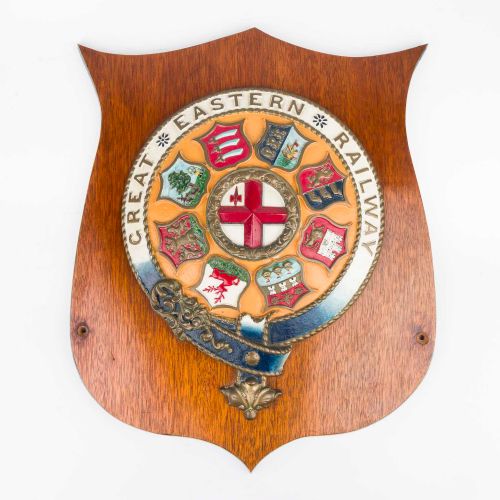


Heraldic Coat of Arms Plaque
A heraldic coat of arms plaque brings historic lineage and bold heraldry straight to the wall.
Heraldic Coat of Arms Plaque
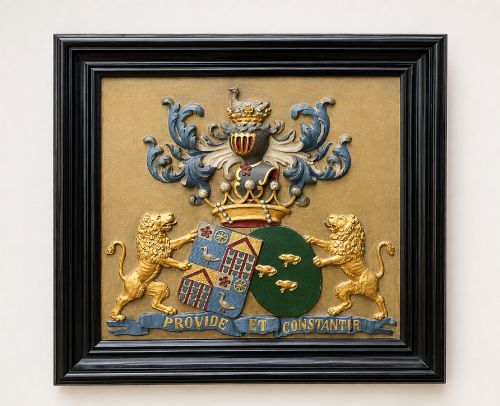
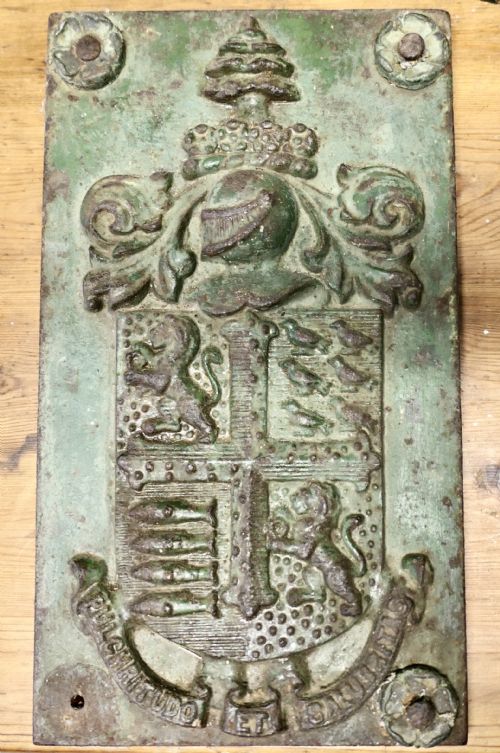
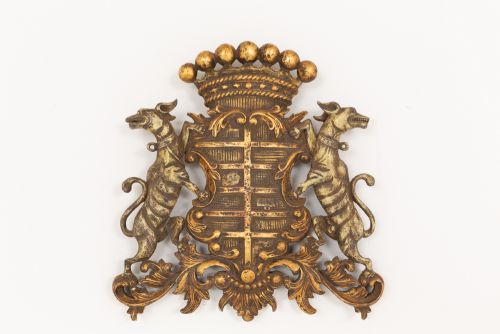
A heraldic coat of arms plaque displays armorial bearings, family crests, and civic insignia cast in metal or carved from timber. These pieces range from monumental royal coats of arms to private family shields.
The versions most commonly met on this page date from the nineteenth century, spanning Georgian, Victorian, and Edwardian periods. Examples frequently take the form of wall plaques, carved shields, and cast iron architectural reliefs.
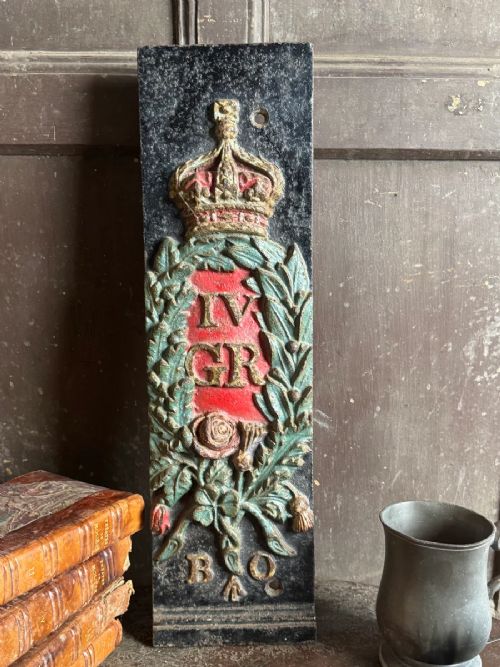
Makers utilised these armorials for railway companies, government departments, and private residences. Pieces emerge in materials from painted cast iron to carved hardwood and bronze.
Materials and construction
Foundries produced heavy cast iron and bronze plaques using traditional casting methods, often finishing the metal with paint or gold leaf. Iron pieces frequently served architectural roles for railways and government boards.
Carvers shaped timber items like tiger oak, walnut, and hardwood into armorial shields and panels, occasionally adding polychrome paint. Plaster and marble also appear among the sculptural wall reliefs.
Listings feature items spanning the seventeenth to the twentieth centuries, utilising cast iron, bronze, oak, walnut, and marble.
Evaluating craftsmanship and detail
The distinction between tiers rests upon the crispness of the casting and the depth of the hand carving. Sharp relief work on bronze and iron demonstrates superior foundry skill.
Original painted and gilt surfaces carry higher distinction than later refurbishment. The fidelity of the heraldic detail and the quality of the timber grain determine the standing of each piece.
Great Eastern Railway·Van Rijckevorsel and Verheijen
The Heraldic Coat of Arms Plaque Glossary
- Armorial
- Relating to heraldic arms or a coat of arms. It describes items bearing official or family heraldic insignia.
- Crest
- The component of a heraldic display placed on top of the helmet or shield. It forms a central focus on many wall plaques.
- Passant
- A heraldic term describing an animal shown walking with its right forepaw raised. Lions passant frequently appear on bronze and iron crests.
- Polychrome
- Painted in several colours. This finish appears on hand-carved wooden and plaster armorial panels.
- Relief
- Sculpture where the figures project from a flat background. Many plaques use high relief to create depth in metal or stone.
Heraldic Coat of Arms Plaque: Frequently Asked Questions
How were these plaques originally displayed?
Many heavy iron and bronze pieces served as architectural elements on public buildings, railway stations, and government offices.
Smaller carved wooden and brass shields were designed for interior display in private homes and institutional halls.
What materials are most common?
Cast iron and bronze dominate the metal selections, frequently accompanied by painted or gilt finishes.
Timbers such as oak, walnut, and various hardwoods form the basis of the carved shields and armorial panels.
How do I date an armorial plaque?
Dating relies on stylistic clues, material composition, and specific historical insignia or railway references present in the design.
Nineteenth-century pieces often reflect Gothic Revival or Victorian heraldic tastes, while metal casting techniques offer further temporal markers.
Are these pieces suitable for outdoor mounting?
Cast iron and bronze items possess the durability to withstand outdoor conditions, provided the metal and paint layers receive proper maintenance.
Wooden panels and plaster reliefs are strictly suited for interior display away from moisture and direct weather.