
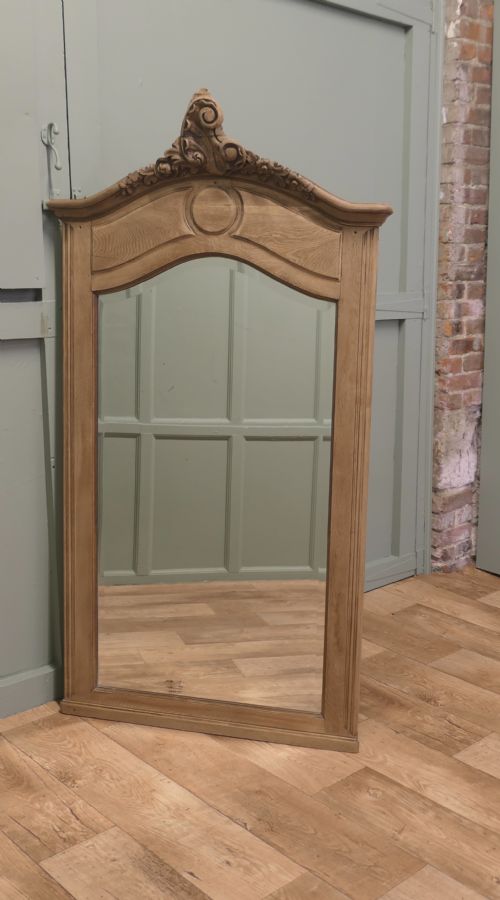
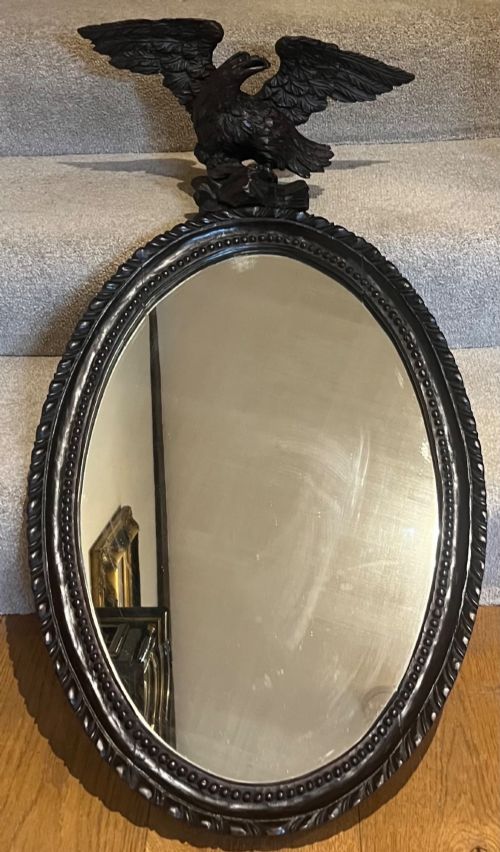


Carved Oak Crest Frame
These carved oak crest frame pieces bring rich historic texture and striking timber detail to any room.
Carved Oak Crest Frame
A carved oak crest frame combines substantial timber work with decorative cresting, taking the form of wall mirrors and inset panels from various historic periods. When exploring a carved oak crest frame on this page, you will encounter examples ranging from nineteenth century French designs to twentieth century revivals.
The selection includes wall mirrors featuring elaborate woodwork alongside occasional seating and armchairs incorporating carved wooden elements. These items span styles from Victorian Gothic Revival and Jacobean to Art Deco, reflecting diverse craftsmanship across centuries.
How they were made
Maker construction relies heavily on solid oak and carved wood, sometimes finished with bleached tones or paired with brass and mirror glass. Artisans shaped these materials using traditional joinery and fret cut techniques to create detailed crests and surrounds.
Surface treatments range from natural timber grains to painted finishes and inset elements, uniting structural wood with decorative glass or leather components as seen in the broader inventory.
Current listings feature items from the eighteenth, nineteenth, and twentieth centuries, spanning styles from Art Deco to Gothic Revival.
What varies in quality
Quality differences lie in the depth and precision of the wood carving, where sharper execution and balanced proportions distinguish finer examples. The handling of the oak timber, whether bleached or left in its natural brown state, dictates the visual weight of the piece.
The integration of secondary materials, such as brass frames or glass inserts, shows varying degrees of refinement. Superior pieces demonstrate harmonious scale between the carved crest and the central mirror or panel.
The Carved Oak Crest Frame Glossary
- Bleached oak
- Timber treated to lighten its natural colour. This technique gained favour in specific decorative revivals.
- Fret cut
- Woodwork pierced or perforated with a scroll saw to create intricate patterns. It adds delicate texture to heavy timber frames.
- Gothic Revival
- An architectural and decorative style drawing inspiration from medieval design. It frequently employs pointed arches and dense carving.
Carved Oak Crest Frame: Frequently Asked Questions
Where should I hang a carved oak crest frame?
These frames suit principal reception rooms or hallways where their substantial timber presence can anchor the wall space. Pairing them with traditional or eclectic interiors allows the carved detail to stand out.
Ensure the wall fixings match the weight of the oak and glass construction. Positioning them away from direct sunlight protects both the wood finish and the mirror plate.
How do I clean an antique oak frame?
Dust the carved woodwork regularly with a soft, dry cloth to prevent dirt accumulation in the recesses. Avoid harsh chemical polishes that can damage historic finishes.
For glass sections, apply a mild cleaner directly to the cloth rather than the mirror plate. This stops liquid from seeping behind the frame and harming the wood or backing.
What periods do these pieces represent?
The inventory includes items from the eighteenth and nineteenth centuries, alongside twentieth century revivals. Styles range from Jacobean and Victorian Gothic Revival to Art Deco.
Each period brings distinct carving characteristics and timber treatments. Examining the backboards and construction methods helps clarify the era of manufacture.
Are all these frames made of solid oak?
While oak is the primary wood seen across the listings, other materials such as brass, leather, and general carved wood also appear. Some pieces feature bleached oak or painted finishes.
Reviewing the specific material notes for each listing ensures you understand the exact composition of the frame you select.