


19th Century Crest Plaque
These 19th century crest plaques bring heraldry and carved detail into a room, offering a tangible link to family lineage and institutional history.
19th Century Crest Plaque
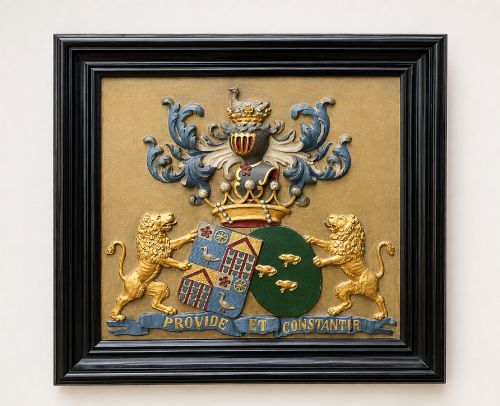
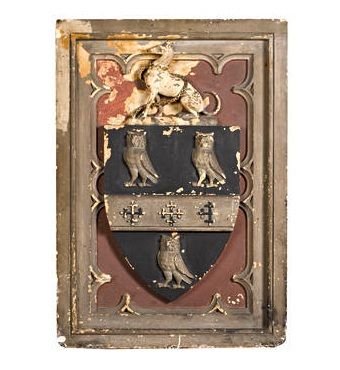
A 19th century crest plaque serves as a decorative wall relief or heraldic sculpture, often displaying family lineage or organizational identity. These pieces take the form of wall plaques, book covers, cartouche emblems, and armorial panels.
The versions most commonly met on this page span the 19th century, including specific dates such as 1852 and 1898, alongside styles like Gothic Revival, Victorian, and Regency. Materials range from carved wood and oak to bronze and painted plaster.
Makers and designers from the period influence these objects, with specific examples referencing Pugin design and specific family crests like the Seton family. Their primary function remains visual display and symbolic representation within interior spaces.
How they were made
Makers utilised timber such as tiger oak, walnut, and general oak, often applying carved wood techniques to achieve deep relief and intricate heraldic lion shields. Panels and plaques were frequently enhanced with polychrome pigment, paint, and gilt highlights to accentuate the sculptural details.
Some iterations incorporate contrasting elements, such as a wood crest inset into a brass frame or silvered metal components. Plaster also appears as a base material for painted armorial panels, while other works utilise bronze casting.
The object types recorded include wall plaques, armorial panels, heraldic sculpture, and cartouche emblems.
What varies in quality
The depth and precision of the carving dictate the visual impact of each piece, distinguishing simple decoration from masterwork relief sculpture. Sharply defined heraldic details and balanced proportions set finer examples apart from plainer workshop output.
Material selection and surface finish influence the overall character, particularly where gilt, polychrome pigment, or specialised framing elements like brass are integrated. The preservation of the original painted or metallic surfaces contributes significantly to the integrity of the piece.
Van Rijckevorsel and Verheijen·Automobile Club of Switzerland
The 19th Century Crest Plaque Glossary
- Heraldic
- Pertaining to heraldry, armorial bearings, and noble lineages. This term describes the visual symbols and crests displayed on the panels.
- Cartouche
- An ornamental tablet or panel, often oval or scroll-edged, used to hold an inscription or emblem. These frequently appear in automotive and organizational badges.
- Gilt
- Covered thinly with gold leaf or gold paint. This technique highlights raised portions of carved wood and metal elements.
- Polychrome
- Painted, printed, or decorated in several colours. Such pigments bring vibrancy to heraldic shields and armorial panels.
- Relief
- A sculptural technique where the sculpted elements remain attached to a solid background of the same material. Wall reliefs and plaques rely on this method to create depth.
19th Century Crest Plaque: Frequently Asked Questions
How were armorial panels used?
Armorial panels and crest plaques were traditionally displayed within grand interiors, libraries, and institutional halls to project status and heritage. They served as visual markers of family identity or corporate affiliation.
Some smaller examples, such as book covers or cartouche emblems, fulfilled functional or commemorative roles. Over time, their purpose shifted towards decorative appreciation and historical collection.
How do I live with a crest plaque?
Displaying a crest plaque requires consideration of wall strength, particularly for heavier bronze or solid oak pieces. Positioning them at eye level in studies, hallways, or living rooms allows the carved details to be appreciated.
Protecting the wood, paint, or gilt surfaces from direct sunlight and excessive moisture preserves the material integrity. Pairing them with traditional or eclectic interiors complements their historical character.
How can I tell periods apart?
Distinguishing periods involves examining the stylistic cues, such as the pointed arches and religious motifs of Gothic Revival designs or the ornamentation of Regency pieces. Material choices, such as mid-century painted plaster versus earlier carved tiger oak, also offer clues to the era of production.
Inscribed dates, maker marks, or stylistic references like Pugin design help narrow down the specific decade of creation. Comparing the complexity of the heraldic sculpture provides further context.