
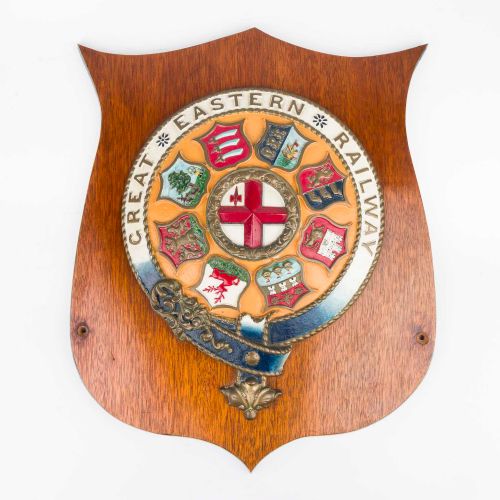
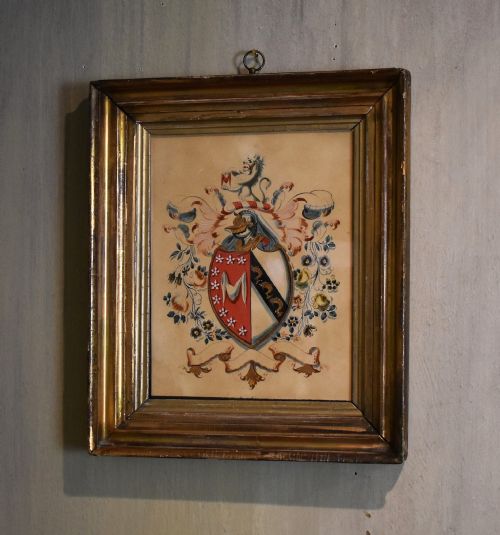
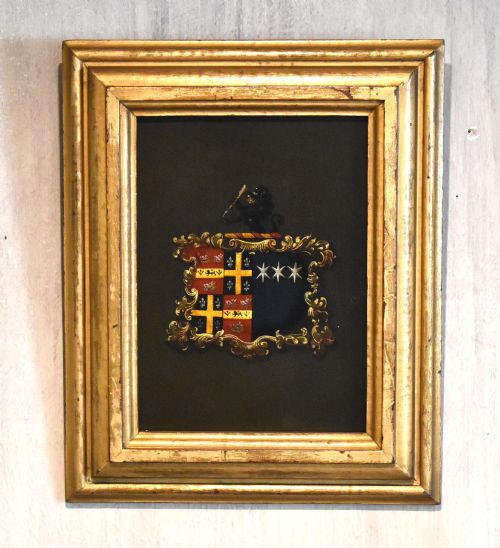


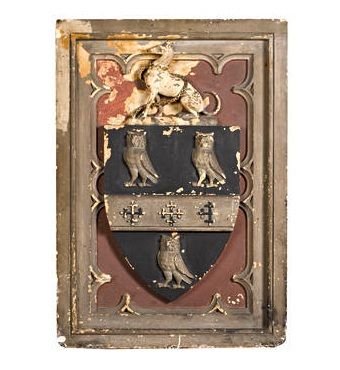
Antique Heraldry Crest
These antique heraldry crest pieces carry centuries of family and institutional identity, offering bold visual history for any wall.
Antique Heraldry Crest
An antique heraldry crest represents familial lineage, corporate identity, and historical commemoration through carved, painted, or cast armorial bearings. When searching for an antique heraldry crest, buyers encounter a diverse selection of wall plaques, framed artwork, and architectural panels dating from the seventeenth century to the early twentieth century.
The pieces on this page span several distinct periods, including Georgian examples, Victorian wall art, and early twentieth-century commemoratives. Common formats range from oil paintings on glass and watercolour heraldic devices to carved wooden panels and marble reliefs.
Originating from varied contexts such as railway companies, royal jubilees, and noble houses, these items bring authentic heraldic display into domestic and institutional spaces. Walnut, oak, giltwood, and cast metal provide the physical substance for these historic coats of arms.
How they were made
Maker techniques combine traditional woodwork, hand painting, and metal casting to render intricate armorial details. Walnut and oak panels provide grounds for carved reliefs, whilst mahogany and giltwood frame flat artworks.
Painters utilised oil and enamel paints on glass, canvas, and plaster to achieve vibrant heraldic colours and metallic leaf effects. Sculptors worked marble and cast metal to create durable wall plaques intended for permanent display.
Object types recorded here include wall plaques, armorial panels, coaching panels, and framed watercolour paintings.
What varies in quality
Quality rests in the precision of the heraldic painting and the crispness of the carved detail. Finer pieces demonstrate superior draughtsmanship in the rendering of charges and mottos, alongside expert handling of gilt and pigment.
Material selection and structural integrity separate standard decorative items from exceptional works. Dense timbers like oak and walnut, alongside genuine marble and hand-blown glass, elevate the physical presence of the armorial device.
The Antique Heraldry Crest Glossary
- Armorial
- Relating to heraldry or coat armour. These devices display hereditary symbols associated with a specific family or corporate body.
- Giltwood
- Wood that has been covered with a thin layer of gold leaf or gilt. This finish highlights carved architectural elements and frames.
- Relief
- A sculptural technique where the sculpted elements project from a background plane. Wall reliefs create strong three-dimensional heraldic displays.
- Coaching panel
- A painted section originally affixed to a horse-drawn carriage. These panels frequently displayed family crests and titles.
Antique Heraldry Crest: Frequently Asked Questions
What is an antique heraldry crest?
An antique heraldry crest is a decorative or commemorative object displaying a coat of arms, family lineage, or institutional emblem. These pieces were produced across various centuries using media such as carved wood, oil paint, and cast metal.
They function primarily as wall art, architectural plaques, and framed artwork, carrying historical significance and distinct visual identity.
How were heraldry crests used historically?
Historically, heraldic crests marked territory, institutional authority, and familial lineage on buildings, carriages, and official documents. Railway companies, noble houses, and civic bodies utilised them to project status and identity.
Over time, these devices transitioned into decorative wall plaques and framed artworks collected for their historical and aesthetic appeal.
How do I date an antique heraldry crest?
Dating relies on stylistic clues, framing techniques, and the medium used, such as seventeenth-century marble work versus early twentieth-century commemorative plaques. Examination of the underlying wood, paint composition, and mounting hardware provides further chronological context.
Makers often inscribed dates or referenced specific historical events, such as royal jubilees, directly onto the piece.
How should I display an antique heraldry crest?
These pieces require secure wall mounting due to their weight, particularly carved wooden panels, marble reliefs, and cast metal plaques. Glass-fronted artworks and oil paintings need placement away from direct sunlight to preserve pigments and gilt surfaces.
Pairing them with period interiors or neutral walls allows the detailed armorial design to remain the focal point of the room.