
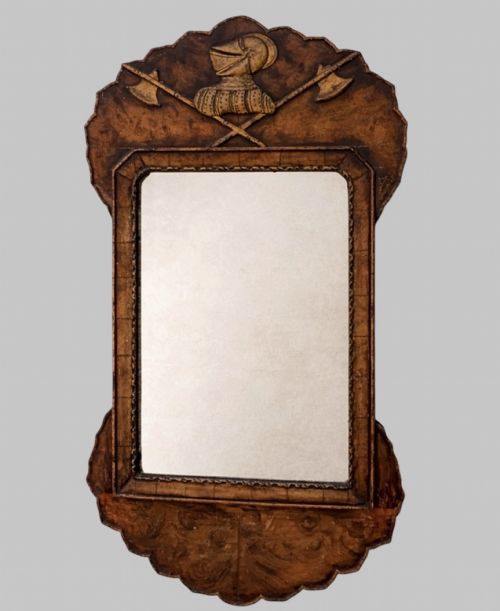


Victorian Armorial Crest
These victorian armorial crest pieces combine historic lineage and heraldic artistry, offering tangible connections to prominent families and institutions.
Victorian Armorial Crest
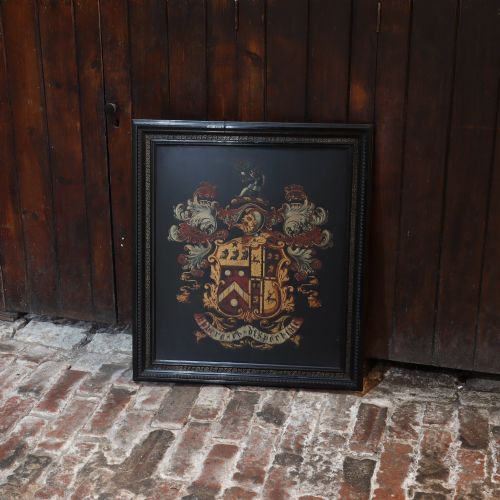
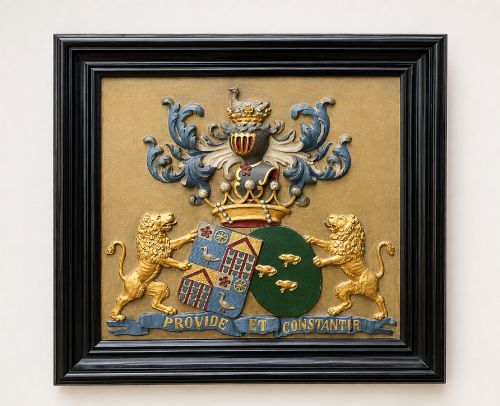
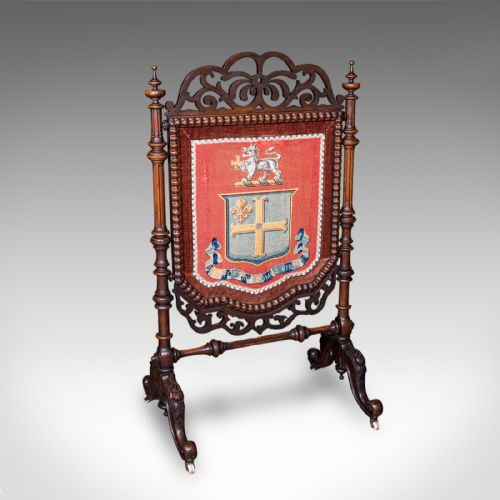
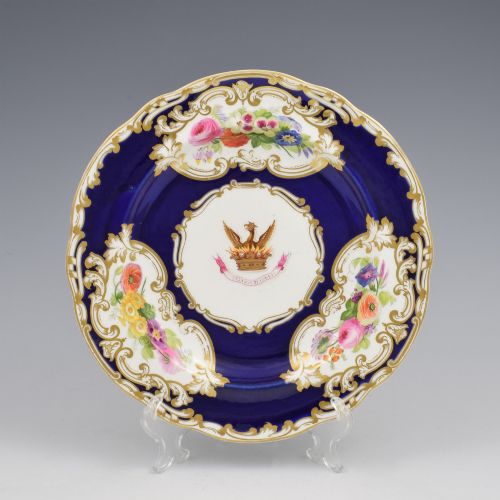
A victorian armorial crest encompasses diverse objects displaying family coats of arms, heraldic shields, and dynastic insignia from the nineteenth century. Buyers encounter carved wooden panels, cast iron royal plaques, porcelain cabinet plates, and embroidered needlepoint screens.
The selection ranges from large heraldic panels and monumental cast iron pieces to domestic items such as carved walnut mirrors and porcelain plates. Wall plaques and decorative plates dominate the forms, alongside seating furniture incorporating carved crests.
Origins span British and European workshops, featuring specific regional identities such as Welsh family arms, Irish needlework, and Dutch marriage plaques. These items reflect the Victorian preoccupation with genealogy, status, and heraldic display.
Materials and Techniques
Woodworking forms a primary medium, utilising carved walnut, tiger oak, and mahogany for panels, mirrors, and armchairs. Skilled carvers rendered intricate heraldic lions, shields, and foliate motifs in high relief.
Metals feature prominently through cast iron, brass, bronze, and silver plating, producing substantial royal coats of arms and decorative salvers. Painters and ceramicists applied enamel, oil on glass, and porcelain pigments to create precise armorial colours and family mottos.
Listings feature items spanning the nineteenth century, with materials ranging from cast iron and bronze to walnut, oak, and painted glass.
Assessing Quality
Quality depends upon the crispness of the carving or casting, where deeply undercut wood and sharply defined ironwork distinguish superior examples from softer, mass-produced items. The fidelity of the heraldic painting and the accuracy of the armorial details determine artistic merit.
The integrity of the materials, such as the grain of the tiger oak or the weight of the cast iron and bronze, dictates the permanence of the piece. Provenance and identifiable family attribution elevate the significance of individual items.
Copeland·Pugin
The Victorian Armorial Crest Glossary
- Armorial
- Relating to heraldry or bearing a coat of arms. These designs identify specific families, institutions, or royal lineages.
- Heraldry
- The system of devising, granting, and displaying coats of arms and heraldic insignia. It developed in medieval Europe and experienced a major revival during the Victorian era.
- Pugin Design
- A gothic revival style associated with the architect Augustus Pugin. This aesthetic heavily influenced nineteenth-century decorative arts and architectural woodwork.
- Needlepoint
- Embroidery stitched on a stiff canvas mesh, commonly utilised in Victorian fire screen panels and upholstery. It allowed complex armorial crests to be rendered in coloured wools and silks.
Victorian Armorial Crest: Frequently Asked Questions
How were armorial crests displayed?
Victorian households mounted wooden panels, cast iron plaques, and stained glass windows directly onto walls or incorporated them into furniture like mirrors and hall chairs.
Smaller items such as porcelain plates and silver-plated trays served both decorative and functional purposes in reception rooms and dining spaces.
What materials are most common?
Wood is prevalent, particularly oak, walnut, and mahogany used in carved panels, frames, and armchairs.
Cast iron and bronze appear in heavier architectural pieces, while porcelain, glass, and enamel feature in decorative plates and painted panels.
Can I identify the family?
Many pieces record specific family names, mottos, or locations within their titles and painted designs, allowing genealogical research into the original owners.
Standard royal coats of arms, such as those featuring the lion and unicorn, represent institutions rather than individual private families.
Where were these pieces made?
Production spans British workshops, Irish craftspeople, and European centres including Dutch and Welsh regions.
Factories like Copeland produced fine porcelain armorial plates, while specialist foundries and woodcarvers executed architectural plaques and furniture.