


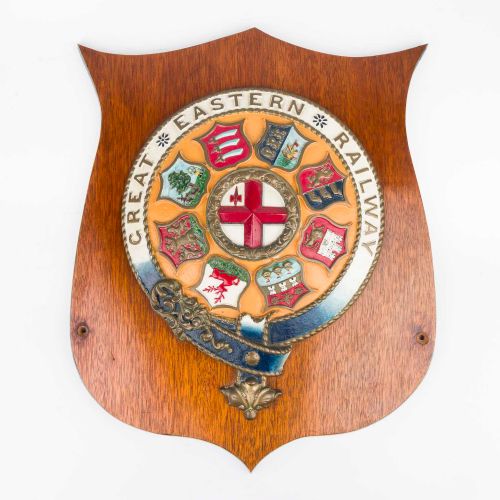
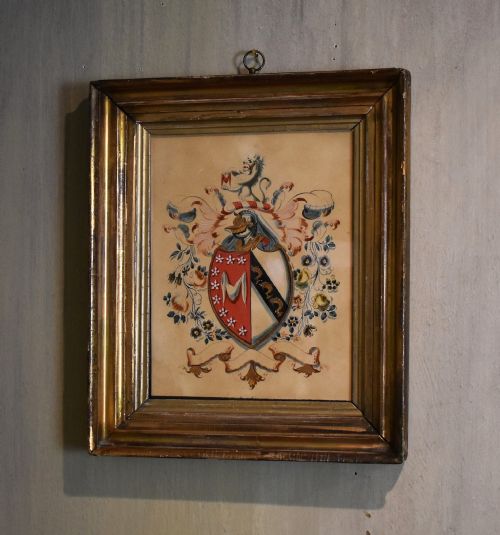
Antique Coat of Arms
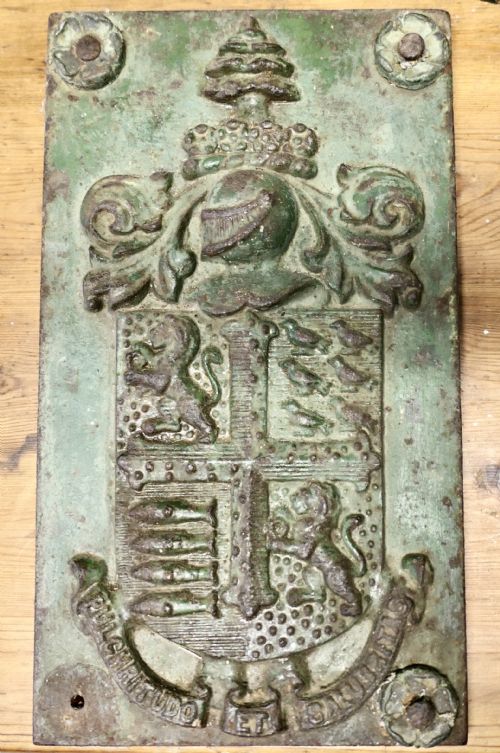
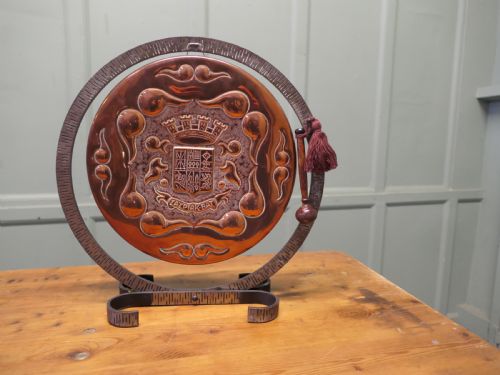
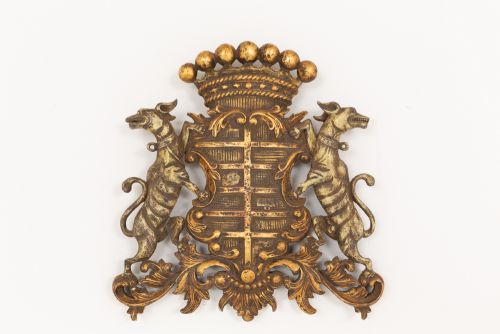
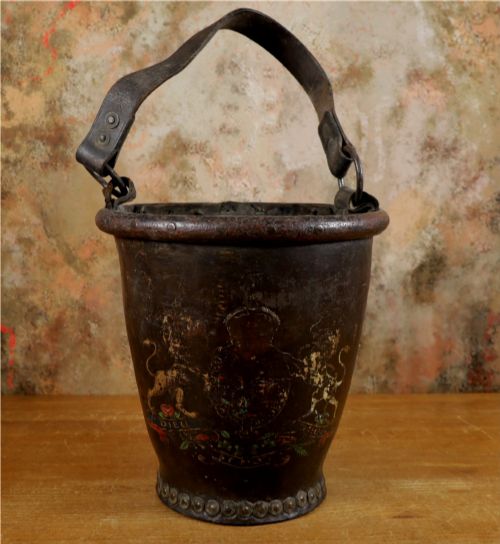
An antique coat of arms brings centuries of heraldic tradition, lineage and heraldry into a room as wall art, plaques and decorative metalware.
Forms and Origins
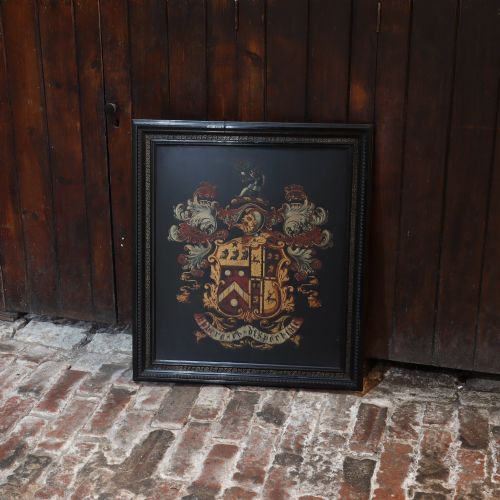
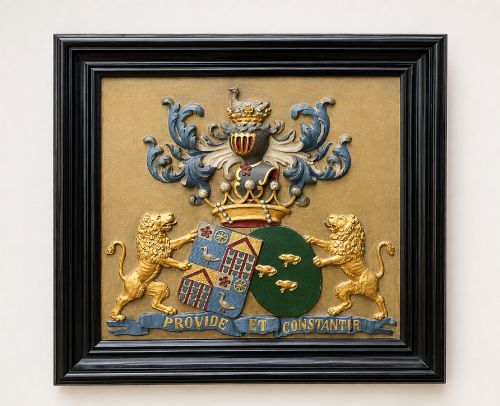
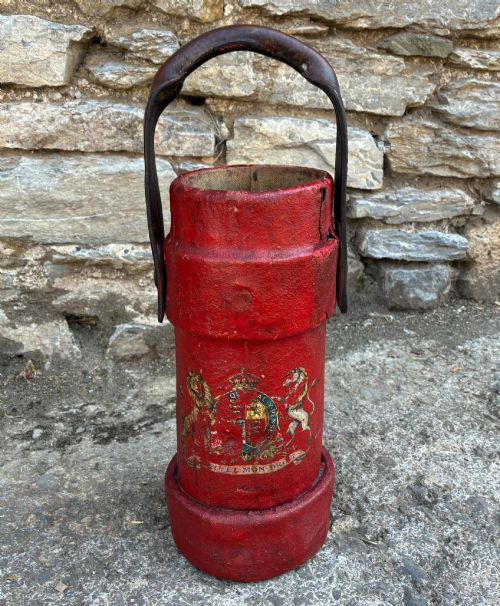
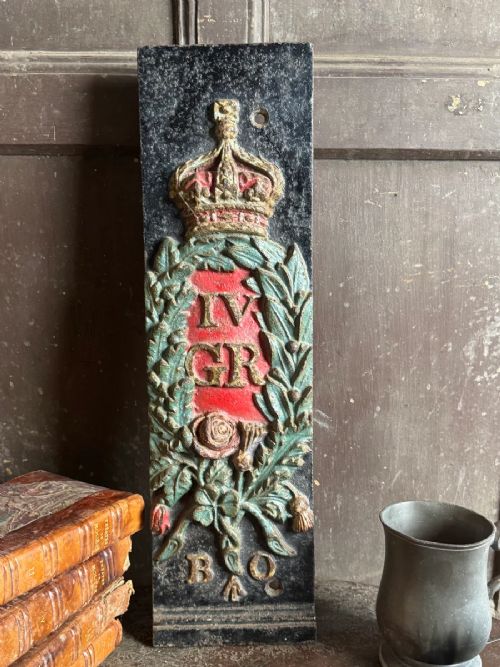
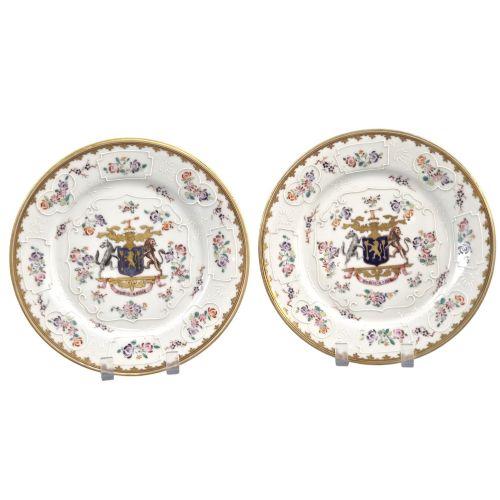
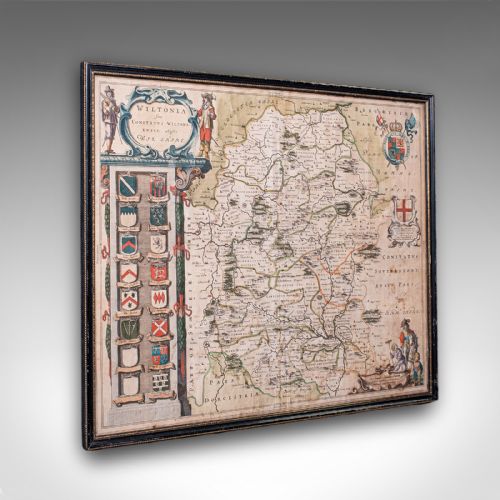
When you search for an antique coat of arms, you encounter a remarkable variety of objects that display heraldic devices, crests and armorial bearings. The selection spans wall plaques, framed prints, oil paintings, carved wood shields and metalwork originating from British, Dutch and European workshops across several centuries.
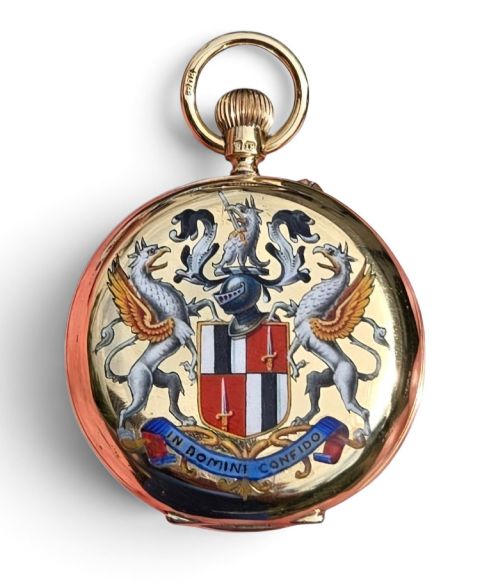
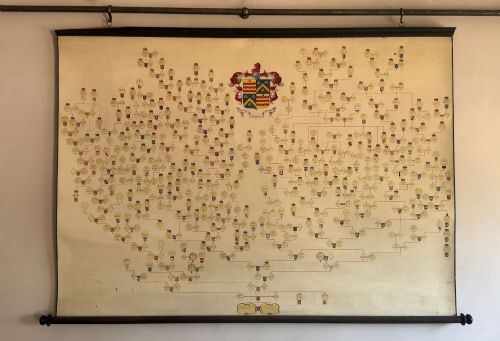
You are most likely to meet framed artwork, wall art and wall plaques on this page, alongside smaller personal items and documents. The pieces incorporate heraldry through oil paint, carved wood, polychrome pigment, glass and ink upon paper.
The periods represented stretch from the Georgian era through the nineteenth century into the early twentieth century. Each item records specific family lineages, royal associations or institutional identities through traditional heraldic visual language.
Materials and Techniques
Artisans employed a diverse range of materials including carved wood, cast iron, bronze, silver, copper, glass, leather, stoneware and paper. Pigments, gilt and ink were applied directly to canvas, glass or parchment to render complex armorial details.
Carvers shaped wood into elaborate shields and wall plaques, whilst painters utilised oil and polychrome pigments for detailed heraldic crests. Metalworkers cast bronze, iron and silver into plaques, dishes and mortars, often incorporating engraved or chased armorial motifs.
Retail Price Guide 2026
Typical UK retail prices for coat of arms, calculated from the Sellingantiques database of over a million retail prices indexed since 2003. This retail price guide relies exclusively on Sellingantiques data; no external sources or auction records are used, so the figures do not describe the wider market.
Listings feature works from the Georgian period, the nineteenth century and the early twentieth century, utilising oil paint, carved wood, glass and paper.
Evaluating Quality
Quality rests upon the precision of the heraldic painting, the depth and sharpness of the woodcarving, and the integrity of the materials. Finer examples display meticulous brushwork in oil paint or crisp definition in carved and gilt elements.
Provenance and documentation elevate certain pieces, particularly when genealogies, specific noble houses or named marriages are recorded accurately. The longevity of the object depends upon the preservation of fragile surfaces such as glass, paper and polychrome pigments.
Van Rijckevorsel and Verheijen·James Phipps I·Garrard·Samuel Taylor
The Antique Coat of Arms Glossary
- Coat of arms
- A distinct heraldic design on a shield or displayed on wall plaques, paintings and metalwork. It represents a specific family, individual or institution.
- Heraldry
- The system of devising, granting and blazoning arms and crests. It serves as a visual language of lineage and identity.
- Armorial
- Relating to armorial bearings or coats of arms. These appear across scrapbooks, prints and decorative objects.
- Gilt
- Gold leaf or gold paint applied to surfaces. It highlights heraldic details on wood, metal and frames.
- Polychrome
- The practice of decorating architectural elements, carvings or paintings in a variety of colours. Pigments bring heraldic shields to life.
Frequently Asked Questions
What is an antique coat of arms?
An antique coat of arms is a decorative or historical object displaying the heraldic insignia of a family, royalty or institution. These pieces range from oil paintings and carved wood shields to wall plaques and documents.
They record lineage and identity through traditional heraldic symbols, serving as significant historical artefacts from the Georgian era and subsequent centuries.
How were these armorial pieces used?
Heraldic items served both decorative and commemorative purposes in homes and civic buildings. Wall plaques, painted panels and carved shields displayed family lineage and social status.
Smaller items such as framed prints, marriage plaques and genealogies preserved family history and alliances across generations.
Where should I hang a wall plaque?
A wall plaque or carved wooden shield requires a secure wall space with stable environmental conditions. Avoid direct sunlight and excessive moisture to protect painted pigments, gilt and wood.
Positioning the piece at eye level allows the intricate details of the heraldry to be appreciated fully within a room.
How do I identify the period of a piece?
Dating relies upon examining the materials, construction techniques and stylistic conventions of the framing and support. Georgian and nineteenth-century pieces exhibit distinct characteristics in their pigments, carving styles and paper types.
Inscribed dates, maker marks or accompanying genealogical documentation provide definitive evidence of age and origin.