


Heraldic Crest Plaque
A heraldic crest plaque displays family lineage and institutional authority, offering a bold statement of history and design for interior display.
Heraldic Crest Plaque
A heraldic crest plaque brings centuries of armorial tradition into domestic and institutional spaces, functioning primarily as wall decor that displays coats of arms, family lineages, and corporate identities. These pieces range from substantial architectural reliefs to intimate commemorative panels.
The selections available lean heavily toward nineteenth-century examples executed in iron, bronze, and carved timber. Buyers encounter both monumental cast metal pieces intended for civic buildings and refined carved wooden shields meant for private libraries.
Materials and Construction
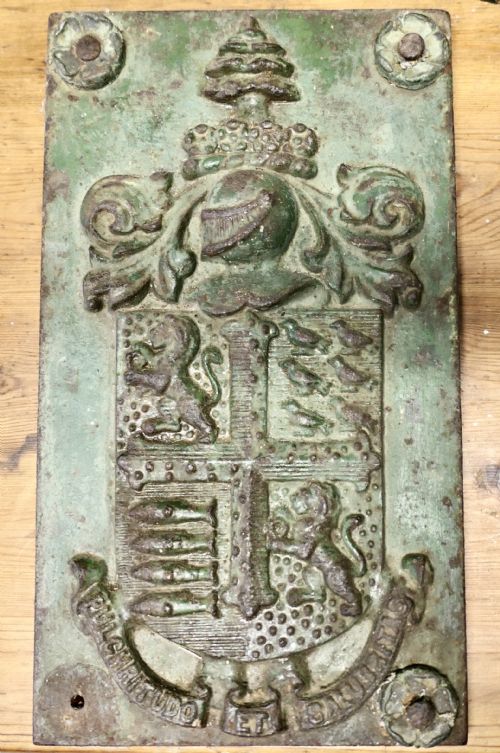
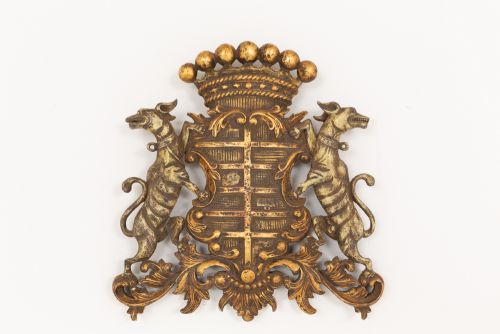
Makers utilised durable metals such as cast iron and bronze, often working from detailed moulds to achieve sharp armorial detail for exterior or heavy indoor placement. These metal castings frequently retain traces of early paint or contrasting gilt finishes.
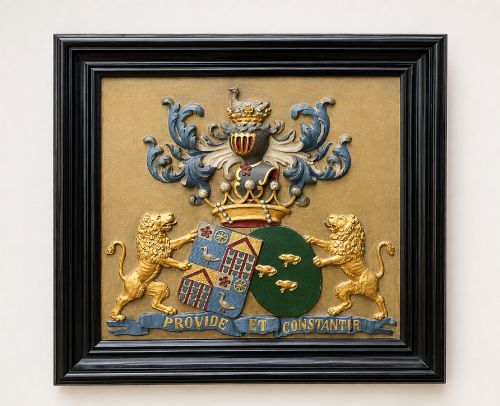
Woodworking traditions dominate the timber examples, with carvers employing oak, walnut, and tiger oak to create shields and panels. Artisans combined carved relief with applied brass frames, polychrome paint, and gold leaf to heighten the visual impact of the armory.
A Swiss automobile club emblem from eighteen ninety-eight proves that early motorists took their heraldry just as seriously as medieval knights.
Evaluating Quality and Execution
The standard of a heraldic crest plaque rests upon the crispness of the carving or the definition within the metal casting. Superior examples exhibit deep undercut relief and precise rendering of heraldic beasts and charges rather than soft, generalised moulding.
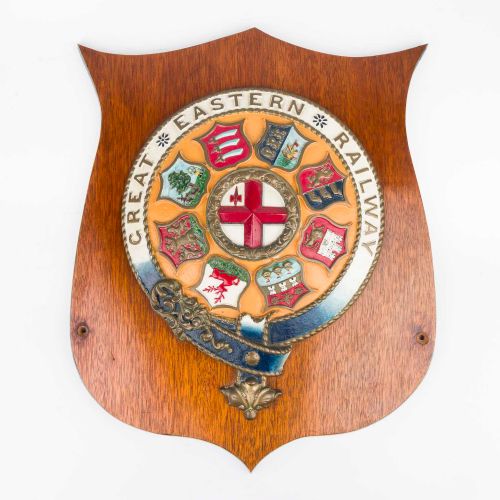
Provenance and documentation elevate specific pieces, particularly when a plaque connects directly to a known family, railway, or governmental institution. The integrity of original surfaces, including aged paint and patinated bronze, distinguishes better-preserved works from later restorations.
Van Rijckevorsel & Verheijen·Great Eastern Railway·Ministry of Supply Glasgow·Automobile Club of Switzerland
The Heraldic Crest Plaque Glossary
- Armorial
- Relating to heraldry or coats of arms. This term describes items bearing official or family heraldic devices.
- Polychrome
- Painted in several colours. Many wooden and plaster panels employ this technique to highlight specific heraldic tinctures.
- Cartouche
- An oval or oblong frame enclosing a design or inscription. Several automotive and civic emblems utilise this decorative shape.
- Lion passant
- A lion depicted walking with its right forepaw raised. This specific posture appears frequently in Scottish and English crests.
Heraldic Crest Plaque: Frequently Asked Questions
Where were these plaques originally displayed?
Many heavy iron and bronze plaques hung on public buildings, railway stations, and government offices to signify authority and ownership. Smaller carved wooden shields and panels served as interior decorative elements in private estates and institutional halls.
Domestic versions often commemorated specific marriages, family alliances, or professional milestones. Their placement reflected the social standing and lineage of the owners.
How do I identify the period of a cast iron plaque?
Nineteenth-century iron plaques usually display deep casting marks and heavy oxidisation patterns consistent with early industrial production methods. Stylistic indicators like Victorian Gothic Revival or Pugin designs provide firm chronological boundaries.
Examining the mounting brackets and the composition of any remaining paint layers helps confirm age. Earlier pieces tend to show greater hand-finishing on the reverse side.
What does a marriage plaque signify?
A marriage plaque combines the heraldic coats of arms of two uniting families to celebrate a matrimonial alliance. These pieces frequently record specific dates and names within the carved or painted composition.
Such panels functioned as domestic centerpieces that cemented social standing and lineage for future generations. They represent a specific subset of armorial art focused on genealogy.