


Oak Heraldic Plaque
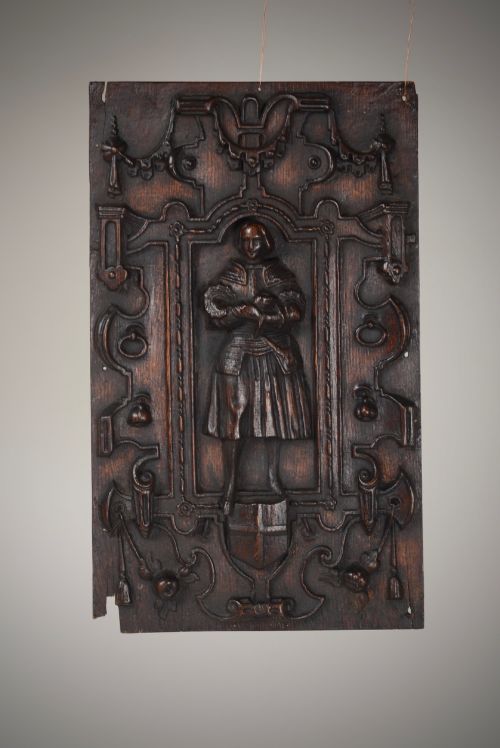
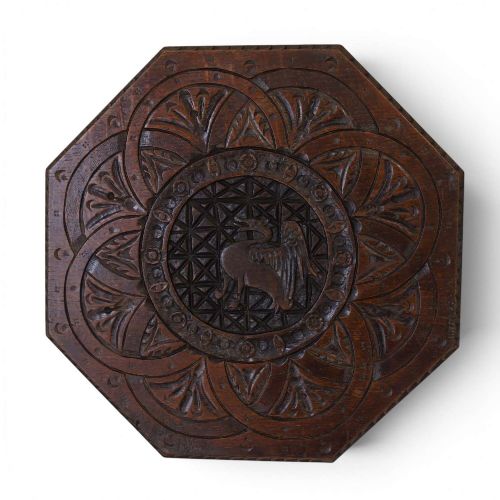
These oak heraldic plaque pieces bring centuries of armorial history and carved craftsmanship straight to the wall.
Oak Heraldic Plaque
An oak heraldic plaque carries carved coats of arms, family crests, and armorial bearings that reflect historic lineages and symbolic identities. Buyers searching for an oak heraldic plaque encounter wall plaques, carved wooden panels, and wall sculptures that display significant heraldry.
The selections range across distinct periods including the 17th Century, 18th Century, Victorian era, and 1910, showing how armorial designs evolved over time. Forms vary from wall shields and book covers to former tabletops and inset brass frames.
The most common pieces on this page draw upon Gothic Revival, Victorian Gothic Revival, and Queen Anne styles. Many incorporate specific historical figures, family crests such as the Seton family, or military and institutional emblems.
How they were made
Makers shaped these items primarily from solid oak, quarter-sawn oak, and fruitwood, utilising deep hand-carving techniques to raise shields, crests, and figures from the timber. Selected examples incorporate contrasting hardwood, cast bronze, and brass frames to highlight the central carved motifs.
Surface finish often includes applied paint and polychrome decoration to accentuate the heraldic tinctures of the coats of arms. Panels from earlier centuries rely on traditional joinery and bench-carved details, while later Victorian and Edwardian iterations reflect precise workshop practices.
Listings feature oak, fruitwood, and painted surfaces across the 17th, 18th, and 19th centuries.
What varies in quality
Condition of the timber and the survival of original polychrome paint or surface finish heavily influence the integrity of a piece. Altered items, such as panels converted from tabletops or book covers, present different structural histories compared to purpose-built wall plaques.
The Oak Heraldic Plaque Glossary
- Heraldry
- The system by which coats of arms and other armorial bearings are devised, described, and regulated. It forms the core subject matter of these carved plaques.
- Armorial
- Relating to heraldic arms or a coat of arms. Pieces described as armorial display specific family or institutional crests.
- Quarter-sawn oak
- Timber cut radially from the log, producing distinctive medullary ray patterns across the grain. This cut offers increased stability and visual depth to carved panels.
- Polychrome
- Painted in several colours. This technique appears on historic armorial crests to replicate traditional heraldic tinctures.
- Gothic Revival
- An architectural and decorative style drawing inspiration from medieval forms. It heavily influences Victorian interpretations of heraldic woodwork.
Oak Heraldic Plaque: Frequently Asked Questions
How were these armorial plaques displayed originally?
Historic armorial plaques were typically mounted on the wood-panelled walls of great halls, libraries, and institutional buildings to display family lineage and allegiance.
Many incorporated hanging loops or were integrated directly into interior architectural joinery as part of a larger decorative scheme.
Can I hang an oak heraldic plaque on a normal wall?
Solid oak and carved wood panels carry substantial weight, so secure wall fixings into masonry or studwork are essential for safe suspension.
Checking the existing rear hanging hardware ensures it can support the specific weight of the wooden shield or panel.
How do I date a carved oak heraldic plaque?
Dating relies on assessing the tool marks, timber characteristics, stylistic markers such as Gothic Revival motifs, and the historical context of the depicted arms.
Analysing the construction methods of the panel backing provides further clues to whether a piece originates from the seventeenth, eighteenth, or nineteenth century.
What is the difference between a shield and a panel?
Shields are specifically shaped to follow the contours of a coat of arms or heraldic charge, mimicking battlefield protection.
Panels are generally rectangular or square wooden blocks that provide a flat background surface for carved figurative scenes or armorial displays.