

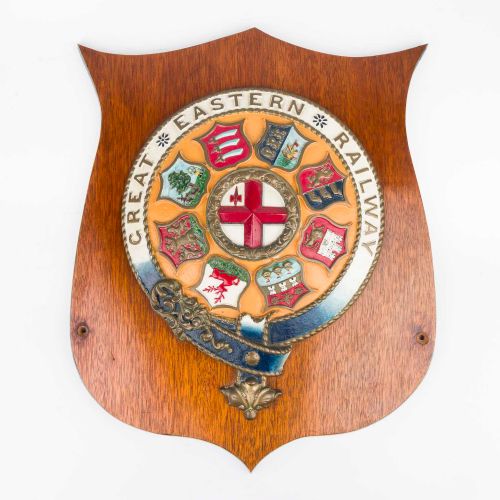
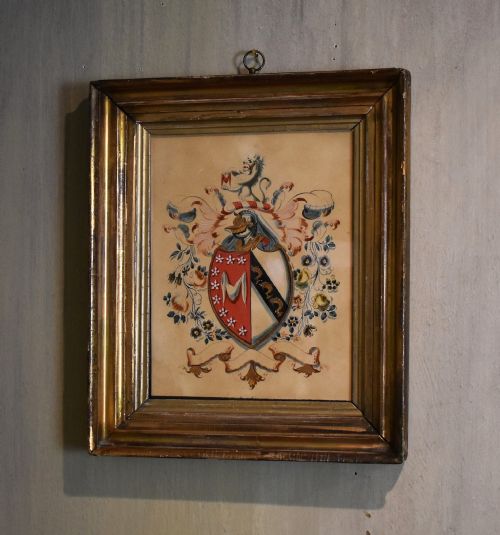


Vintage Heraldic Shield
A vintage heraldic shield carries centuries of armorial history into your room, offering an instant anchor of lineage and colour.
Vintage Heraldic Shield
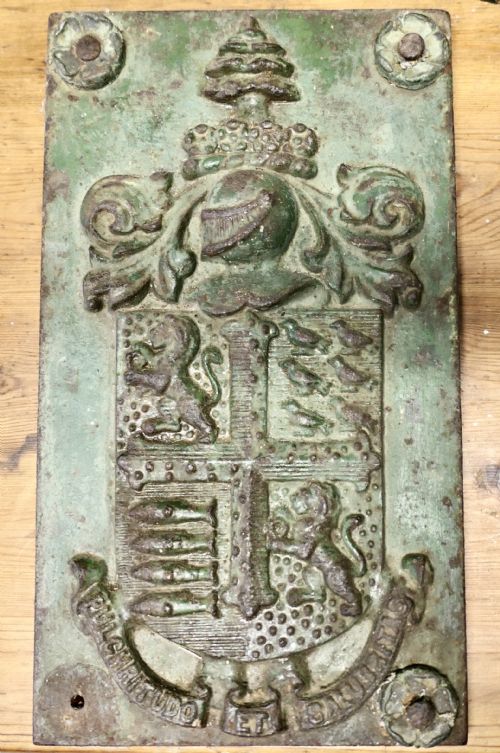
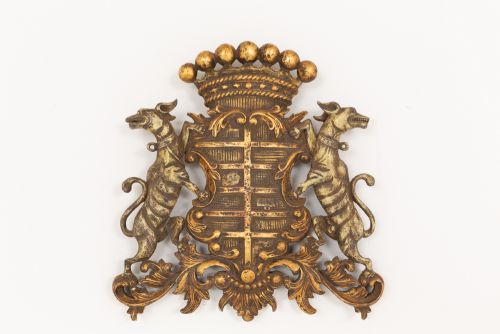
When you search for a vintage heraldic shield, you uncover a distinct category of armorial art spanning wall plaques, fire screens, and carved panels. These objects display historic coats of arms, family crests, and institutional emblems rendered in metal, stone, and wood.
The versions most commonly met on this page date from the nineteenth and twentieth centuries, taking forms such as cast iron wall plaques and carved hardwood armorial shields. Makers adapted traditional heraldry for domestic and institutional settings across the Victorian, Gothic Revival, and mid-century periods.
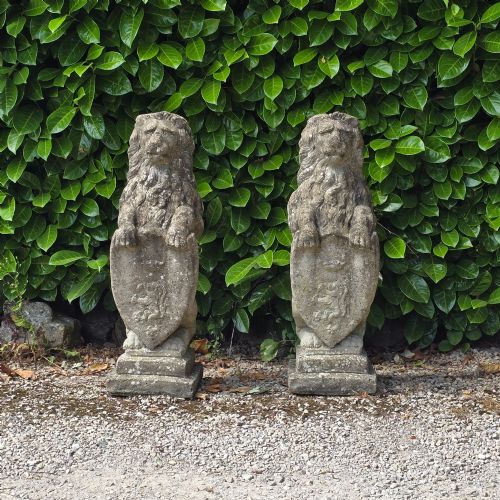
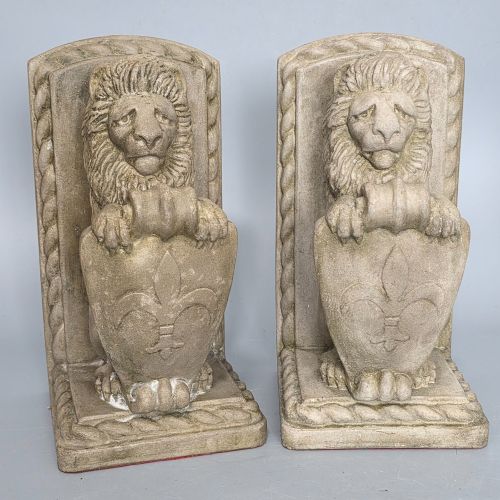
Alongside wall-hung shields, the selection encompasses related armorial items including bronze plaques, brass-mounted fire screens, and bookends featuring lions and fleur-de-lis motifs. Each piece serves as a decorative focal point that communicates identity and heritage through heraldic symbolism.
Distinctions in craftsmanship
Quality rests upon the crispness of the relief and the fidelity of the heraldic design, whether cast in metal or carved in hardwood. Superior examples demonstrate confident handling of complex armorial bearings, with clean lines separating charges and tinctures.
Material integrity and surface finish define the upper tier of pieces, where original paint, gold leaf, and gesso remain stable and articulate. Lower tiers may show crude casting marks or later, unsympathetic repainting that obscures the original definition of the crest.
Cast iron lions stand guard across multiple listings, ready to protect bookshelves and gates alike.
The Vintage Heraldic Shield Glossary
- Coat of arms
- A distinct heraldic design originally displayed upon a surcoat or shield. It functions as the primary visual identifier for a family, corporation, or governmental body.
- Armorial
- Pertaining to coats of arms or heraldry. An armorial shield bears specific heraldic charges belonging to an individual or institution.
- Chasing
- The art of ornamenting metal by indenting or hammering the surface from the front. This technique sharpens and refines cast metal heraldic plaques.
- Embossing
- Raising a design in relief from the surface of sheet metal using punches and hammers. It allows thin brass elements on fire screens to display dimensional crests.
- Gesso
- A plaster-like mixture applied to wood surfaces as a base for paint or gold leaf. It provides a smooth ground for delicate heraldic decoration.
Vintage Heraldic Shield: Frequently Asked Questions
Where were these shields displayed?
These pieces traditionally hung in country houses, institutional halls, and railway offices to denote authority, lineage, or corporate identity. Many were also produced as decorative wall art for domestic interiors during the nineteenth and twentieth centuries.
Today, they transition easily into modern homes, often mounted above fireplaces, in studies, or along hallways as statement focal points.
How should I clean brass and iron?
Cast iron and painted surfaces require only gentle dusting with a dry, soft cloth to prevent moisture accumulation and rust formation. Avoid using harsh chemical solvents or abrasive metal polishes on historic finishes.
For brass elements on fire screens or plaques, light cleaning with a non-abrasive cloth preserves the aged patina without stripping the metal.
What is the difference between cast iron and brass?
Cast iron yields heavy, rigid wall plaques with dark, industrial surfaces suited to exterior or robust interior display. Brass is a more malleable alloy, frequently utilised for embossed and chased decorative panels on items like fire screens.
Iron offers a sombre, substantial presence, whereas brass introduces reflective warmth and intricate surface detail.