


Vintage Crest Plaque
A vintage crest plaque brings institutional authority and heraldic display directly into domestic interiors through cast metals and carved woods.
Vintage Crest Plaque
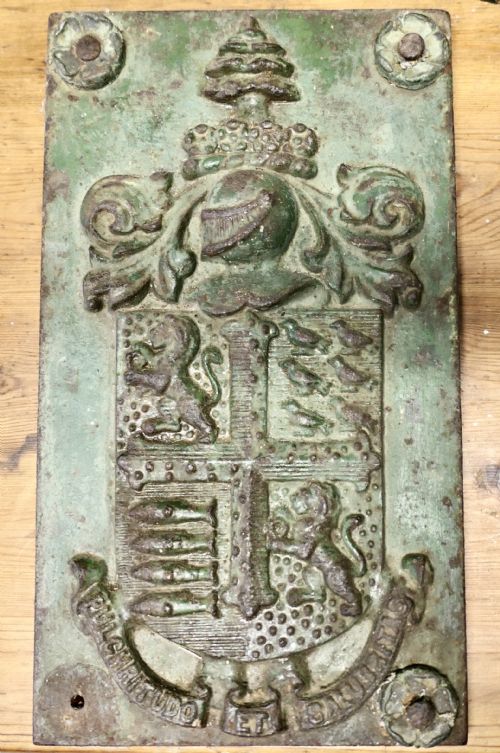
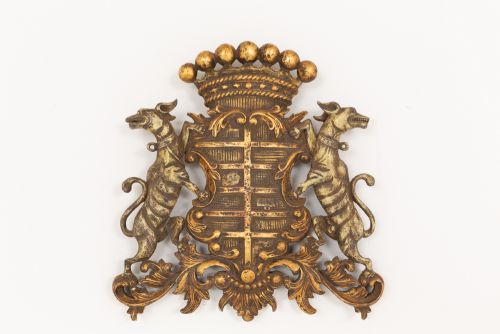
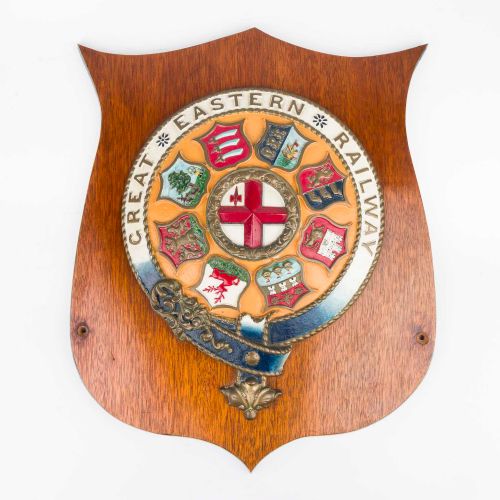
A vintage crest plaque represents civic bodies, railway companies, military detachments, and private heraldry through cast iron, brass, bronze, and carved hardwood. When you search for a vintage crest plaque, you encounter pieces spanning the Victorian era through the mid-twentieth century.
The forms range from heavy iron royal coats of arms and bronze ship badges to brass safe plates and carved armorial shields. Most examples function as wall plaques and architectural salvage, designed originally for public display or corporate identification.
Materials and construction methods
Foundries produced heavy pieces using cast iron and bronze, often finishing details with paint and gold leaf to highlight heraldic motifs. Artisans also utilised hardwoods, carving shields and panels with deep relief work.
Compositons frequently incorporated brass plates and gesso preparations to build up intricate surface textures. These methods combined structural durability with sharp heraldic detailing suitable for public and domestic settings.
Some railway plaques travelled thousands of miles from South Africa before finding quiet retirement on a living room wall.
Assessing quality in armorial pieces
Quality rests upon the crispness of the casting or carving, where sharply defined heraldic elements distinguish superior workshop output from softer commercial production. The depth of relief and the fidelity of the painted or gilded surfaces dictate visual impact.
Material choice also defines the tier of the piece, with substantial bronze and heavy cast iron carrying greater presence than lighter alloys or basic timber panels.
The Vintage Crest Plaque Glossary
- Armorial shield
- A decorative panel displaying a coat of arms or heraldic symbols. These shields originate from traditional military and aristocratic identification.
- Gesso
- A plaster-like mixture applied to wood surfaces as a base for paint or gold leaf. It allows artisans to model fine details before finishing.
- Cast iron
- An iron-carbon alloy poured into moulds to create rigid, heavy objects. It serves as the primary medium for durable industrial and civic plaques.
- Gold leaf
- Gold beaten into extremely thin sheets used for gilding surfaces. It provides a lasting, non-tarnishing metallic finish to raised heraldic details.
Vintage Crest Plaque: Frequently Asked Questions
Where were these plaques originally displayed?
Many hung in government offices, railway stations, and aboard naval vessels to denote official authority or corporate ownership.
Others decorated private clubs, institutional boardrooms, and significant civic buildings as symbols of heritage.
How do I hang a heavy iron plaque?
Heavy cast iron and bronze pieces require direct anchoring into masonry or solid wall studs using rated fixings.
Because these items carry substantial weight, standard picture wire is entirely unsuitable for secure mounting.
How do I clean painted metal plaques?
Dust surfaces gently with a dry, soft brush to remove accumulated particles without disturbing original paint layers.
Avoid chemical solvents or abrasive cleaners that might strip historic finishes and gold leaf.
How are different periods identified?
Victorian examples frequently display heavy cast iron with dense heraldic detailing and dark painted finishes.
Twentieth-century pieces often incorporate bronze or brass associated with specific railways, ministries, and automotive clubs.