
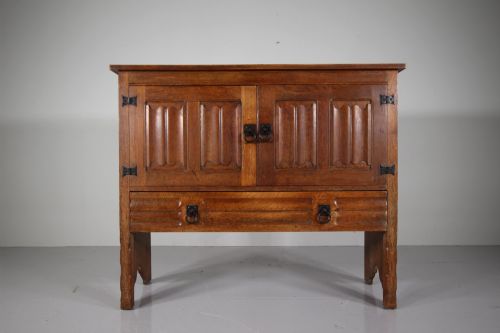
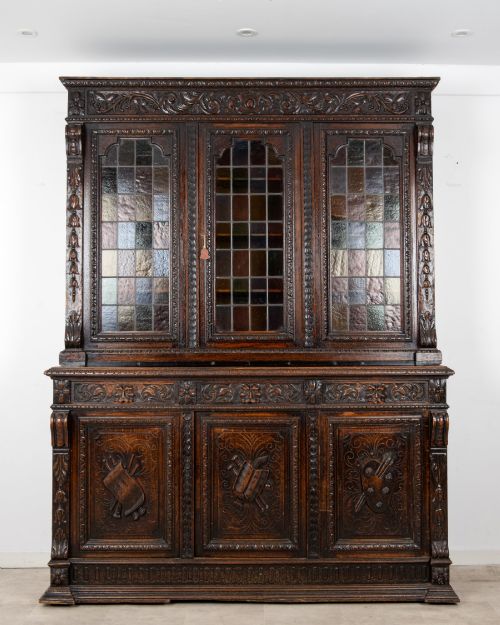
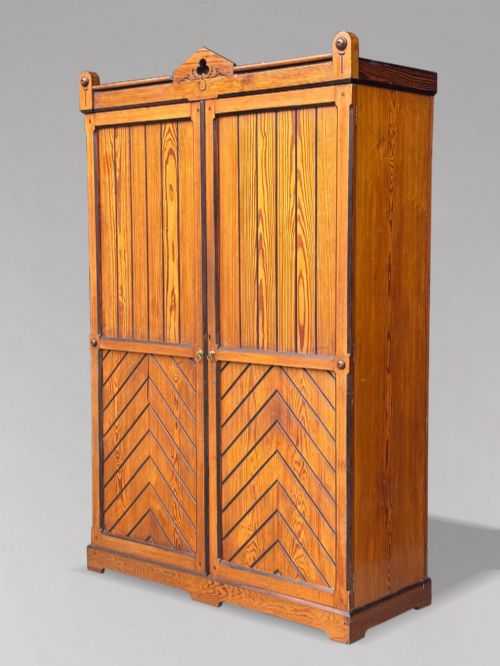
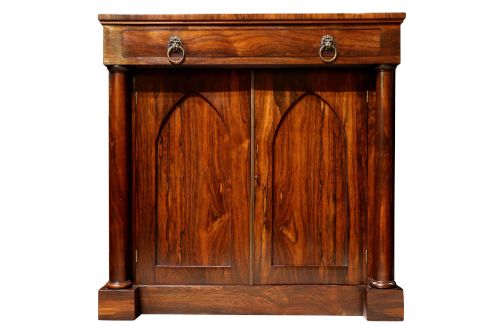
Gothic Revival Panel
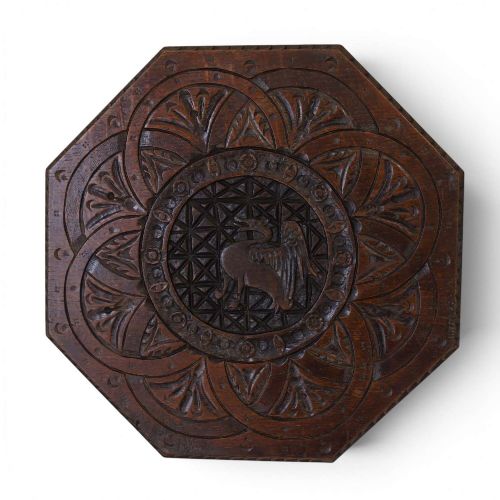
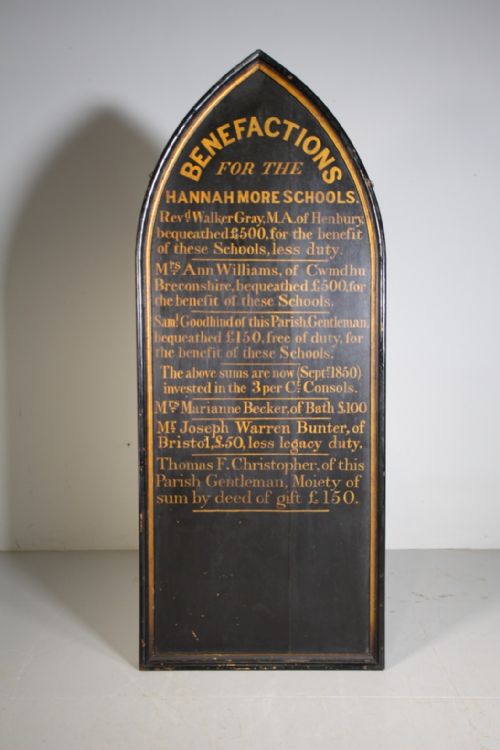
A gothic revival panel brings medieval architectural majesty into domestic spaces, prized for deep timber carving and traceried forms.
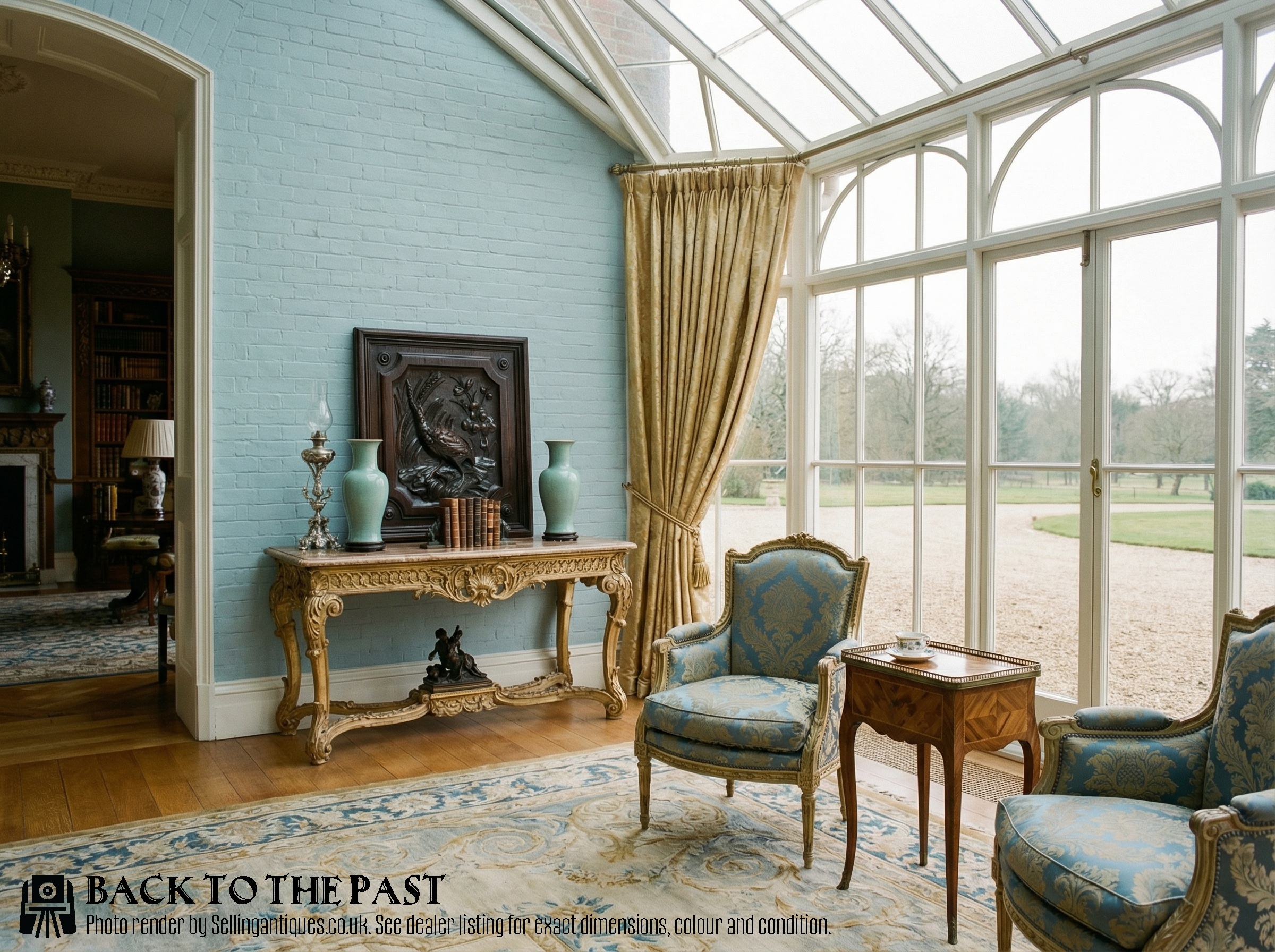
Gothic Revival Panel
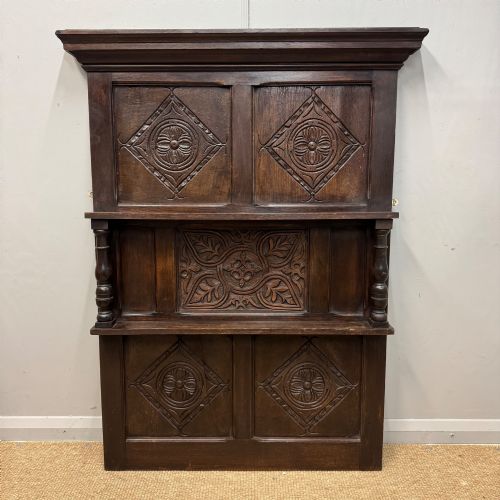
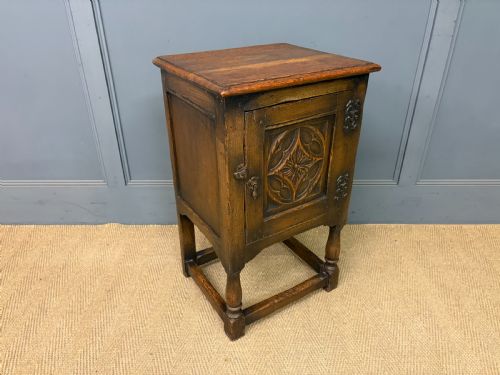
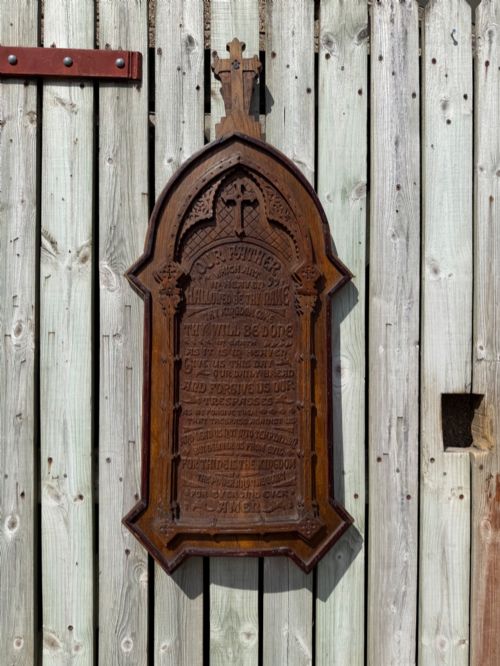
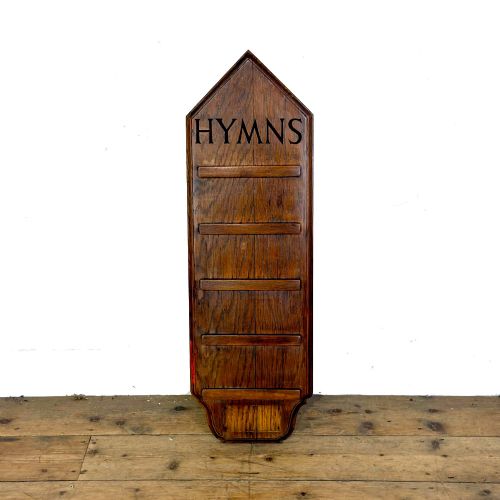
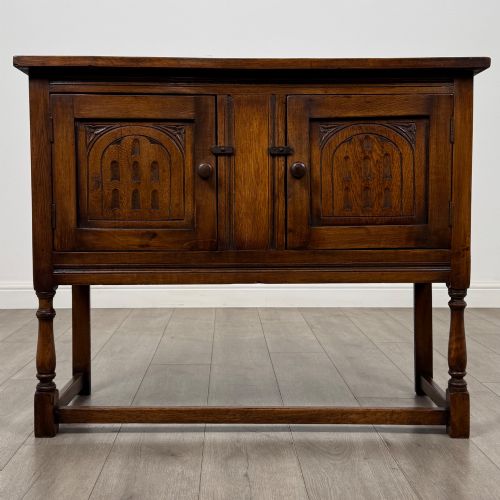
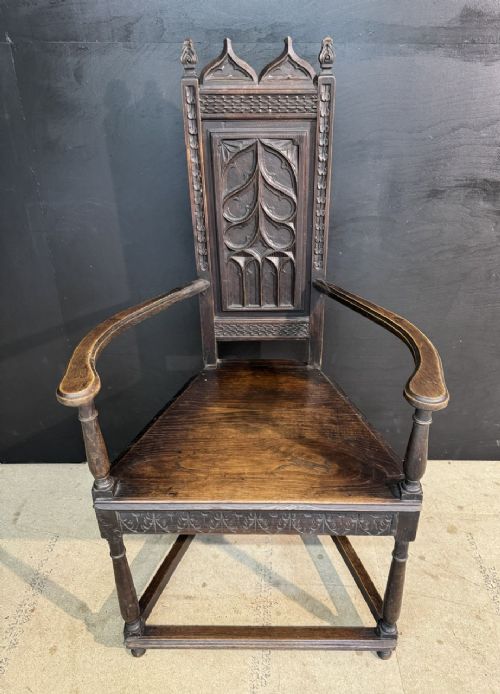
When you search for a gothic revival panel, you encounter fragments salvaged from churches and furnishings, including carved oak church pew ends, overmantel sections, and cupboard doors. These architectural elements embody the 19th-century fascination with medieval design, translating stone cathedral motifs into rich domestic woodwork.
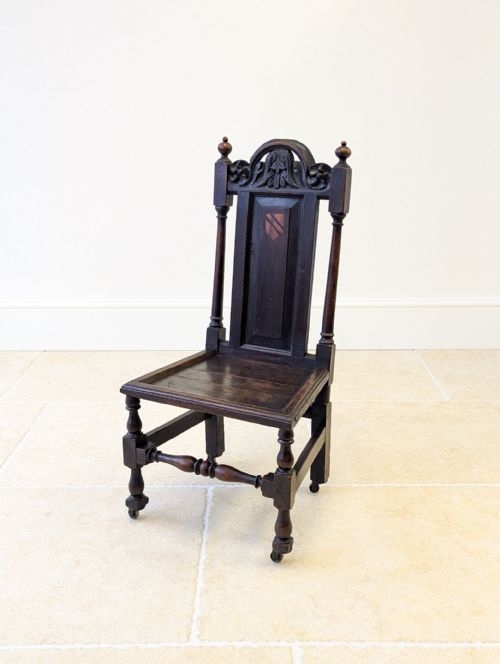
The pieces on this page span from the 18th century through the Victorian era and into the early 20th century, frequently utilising oak as the primary timber. You will find church pew panels alongside repurposed cupboard doors and wall plaques, reflecting both ecclesiastical salvage and purpose-made revival furnishings.
How they were made
Maker-craftsmen shaped these panels predominantly from solid oak, employing traditional joinery such as mortise and tenon frames to house carved or linenfold inserts. Surfaces were heavily worked with hand chisels and gouges to achieve deep relief ornamentation, occasionally complemented by applied brass, lead, or stained glass elements.
Finishing techniques relied on natural waxes and oils rubbed into the timber grain, accentuating the natural figure of the wood over decades of handling. Secondary woods like pine and walnut appear in specific regional pieces, while architectural elements occasionally integrate iron or gilded highlights.
Carved wooden foliage peers out from ceiling bosses and wall plaques, reminding us that Victorian craftsmen thoroughly enjoyed hiding tiny faces in the leaves.
What varies in quality
The distinction between ordinary and exceptional examples rests in the crispness and depth of the hand carving. Superior panels display confident undercutting and spirited relief work, whereas lesser pieces show mechanical uniformity or shallow, blurred detailing.
Integrity of material also dictates value, with well-preserved original timber surfaces and authentic period mountings outranking heavily restored or married components. The sophistication of the tracery design and the historical weight of the salvaged context further elevate the piece.
The Gothic Revival Panel Glossary
- Parchemin
- A style of wood carving resembling folded parchment or linen, frequently seen on late medieval and revival panels. It creates a textile-like texture across the wooden surface.
- Tracery
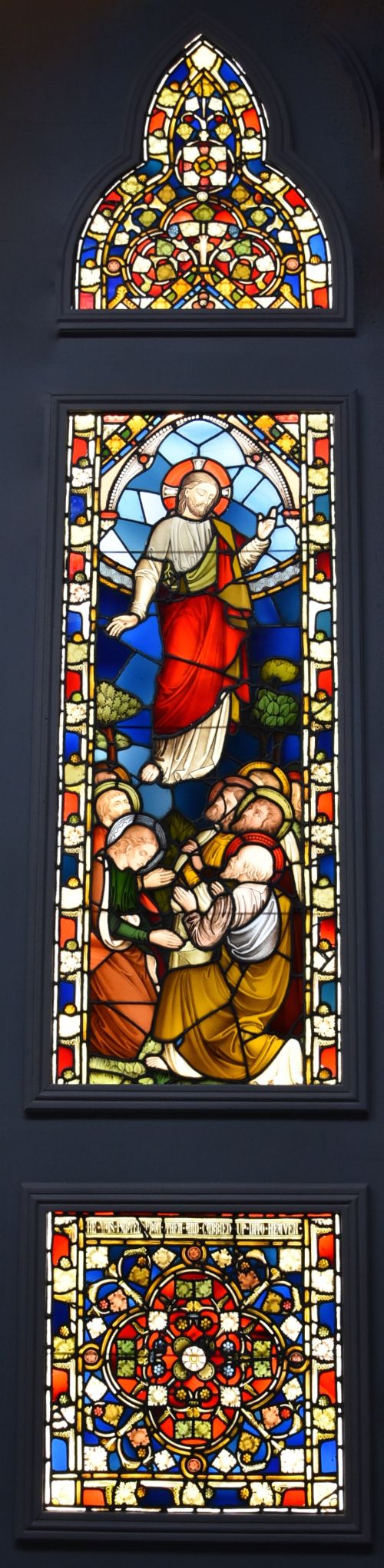
- Openwork intersecting ribbing in stone or wood, mimicking the skeletal stonework supporting Gothic stained glass windows. This geometric pattern defines much of the revival aesthetic.
- Wainscot
- Wooden panelling applied to the lower portion of interior walls, or furniture constructed in that heavy, panelled manner. Wainscot chairs utilise sturdy frame-and-panel techniques.
- Ceiling Boss
- A decorative projecting block of wood or stone placed at the intersection of ribbed vaulting. These sculptural elements often feature carved leaves or grotesque figures.
- Pew End
- The upright structural timber terminating a church pew bench, frequently embellished with carved poppyheads, tracery, or armorial bearings. Salvaged examples form a distinct category of decorative panels.
Gothic Revival Panel: Frequently Asked Questions
What is a gothic revival panel?
A gothic revival panel is a piece of decorative woodwork, often carved from oak, created during the 18th, 19th, or early 20th centuries to emulate medieval architecture.
These panels originate from church furnishings, architectural salvage, or purpose-built domestic cabinetry, featuring characteristic pointed arches and tracery.
How were church panels repurposed?
Victorian and Edwardian craftsmen frequently integrated salvaged church woodwork into domestic settings, converting pew ends and screen fragments into wall plaques or furniture components.
This practice preserved medieval design motifs by embedding them directly into overmantels, cabinets, and decorative screens for contemporary homes.
How do I hang a heavy wooden panel?
Securing a heavy oak panel requires robust hardware attached directly to wall studs or masonry using appropriate fixings to support the substantial weight of the timber.
Ensure the hanging method accommodates the natural seasonal movement of solid wood without placing stress on the antique structure.
How can I tell the period?
Dating relies on examining tool marks, timber shrinkage, and the specific stylistic vocabulary employed within the revival movement, comparing Victorian interpretations against earlier work.
Later 19th-century pieces often display machine assistance alongside hand carving, whereas genuine 18th-century examples show distinct hand-tool signatures and dry, oxidised grain.