

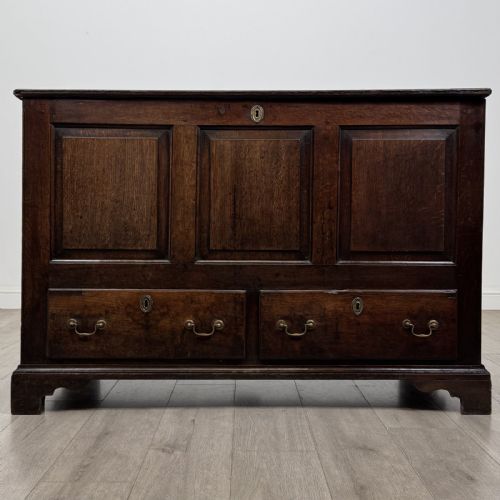

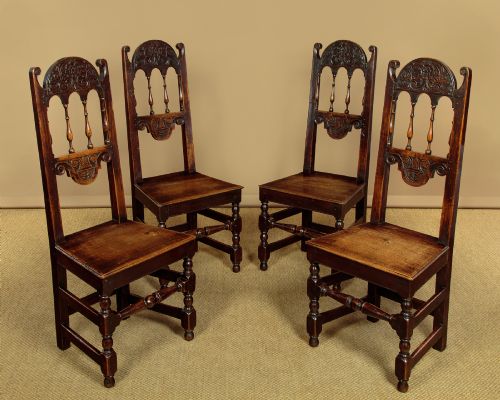
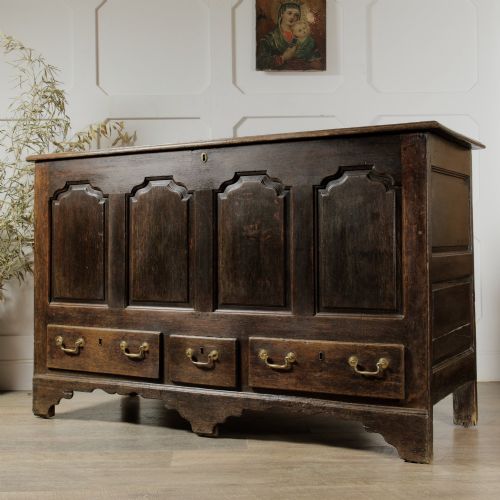
Dark Oak Carved Panel
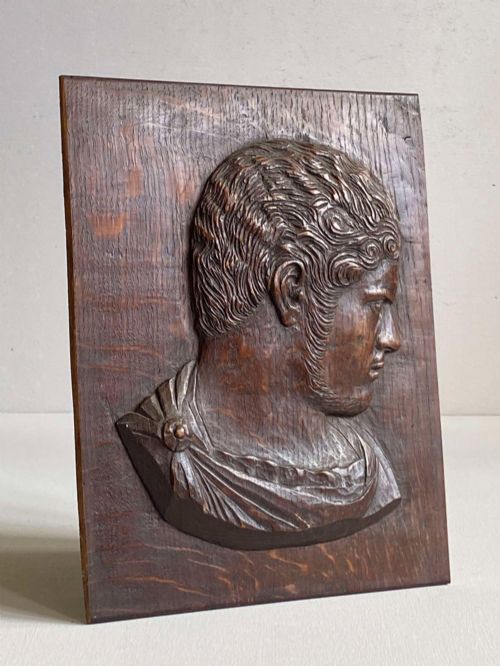
A dark oak carved panel brings tangible history into a room, offering deep grain and intricate relief work from centuries past.
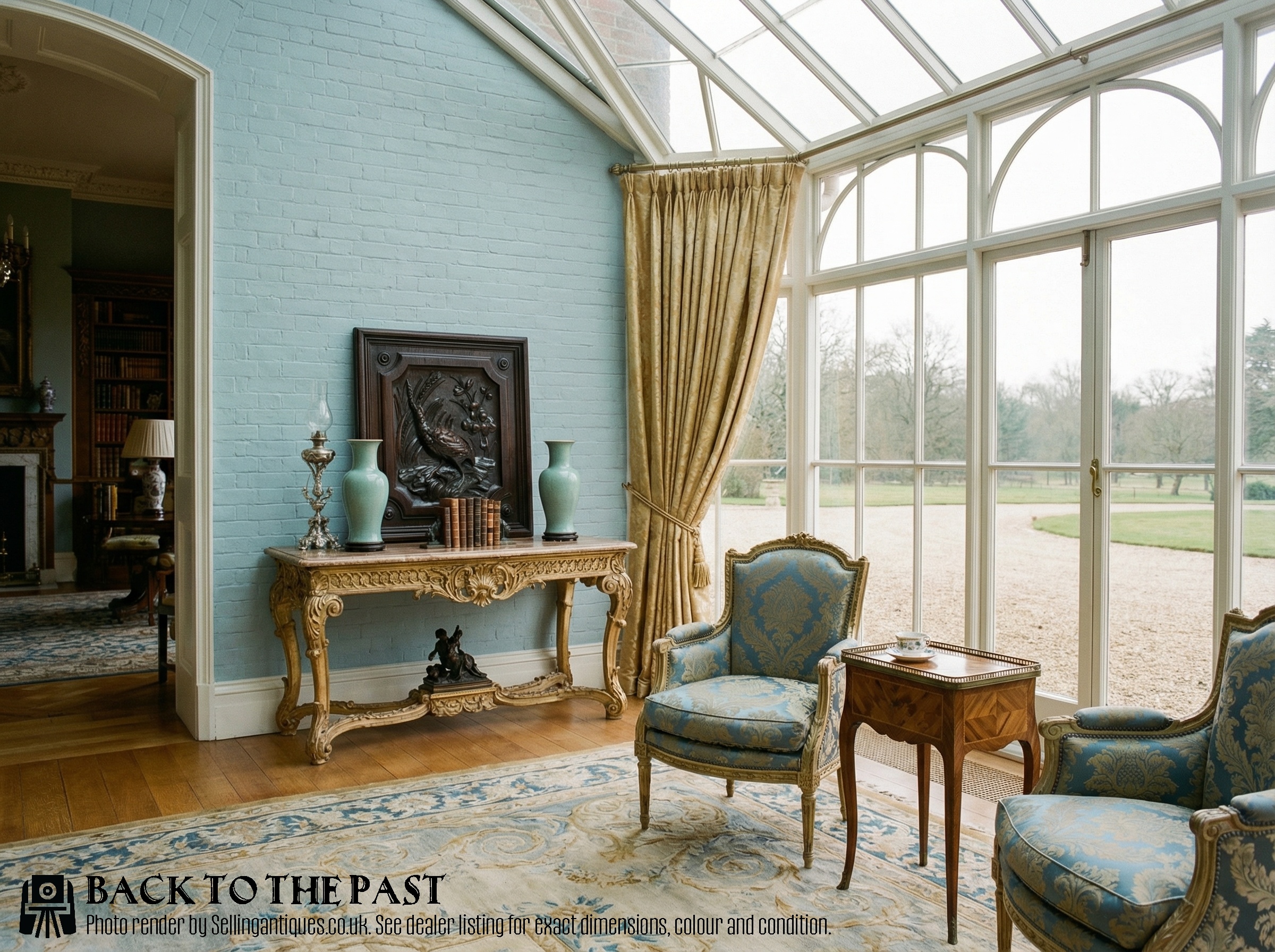
Dark Oak Carved Panel
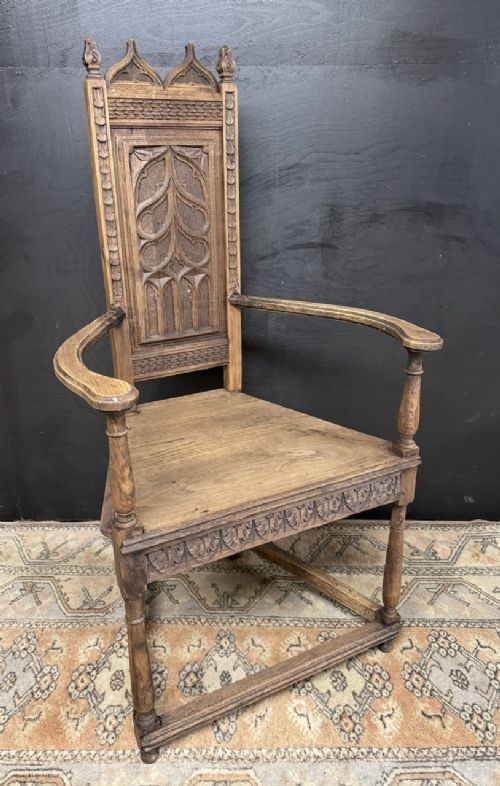
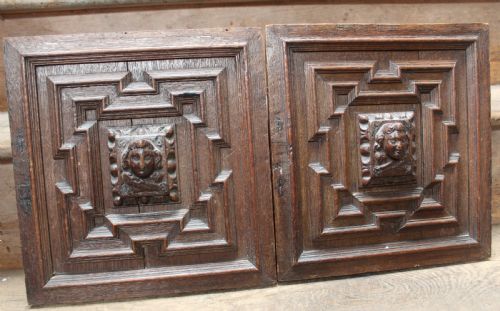
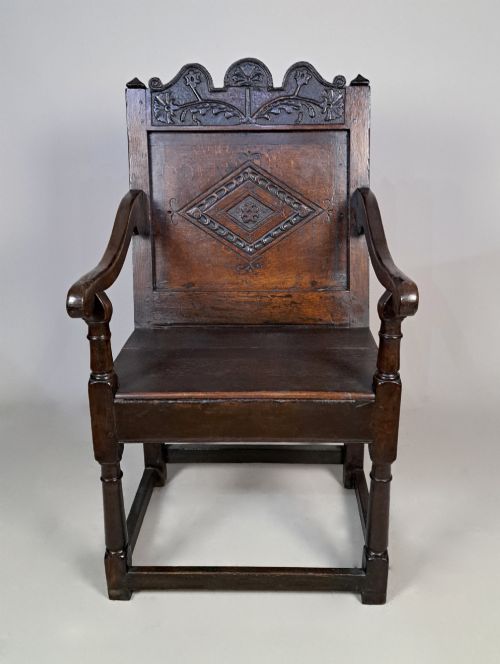
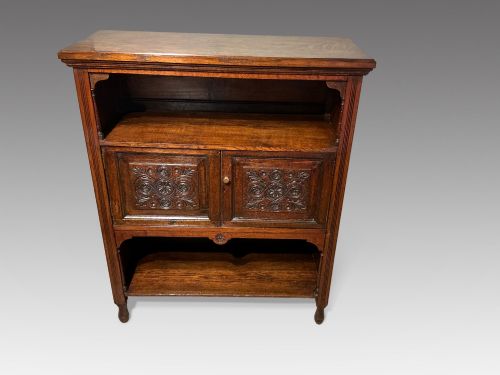
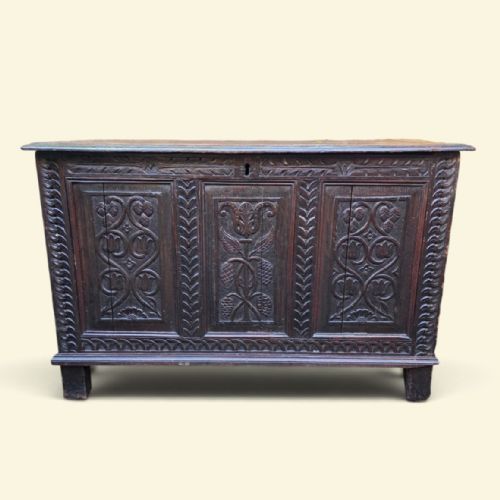
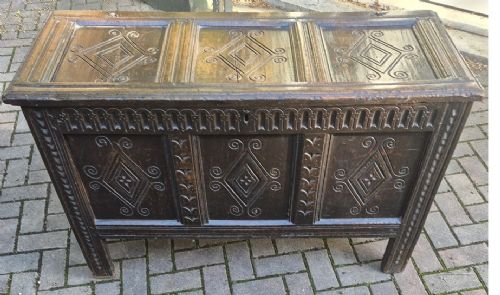
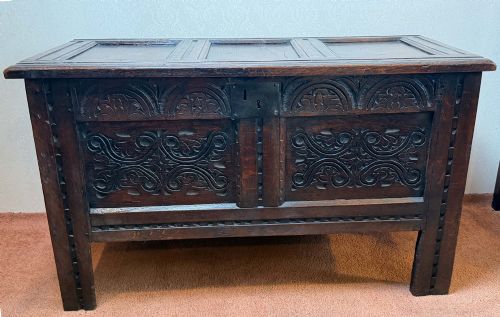
When you search for a dark oak carved panel, you encounter architectural fragments, furniture components, and standalone sculptures originating from the sixteenth century onwards. These pieces range from early English linenfold carvings and seventeenth-century coffer fronts to later revival decorative elements.
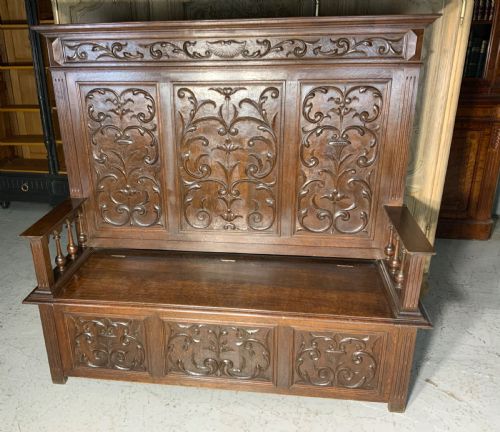
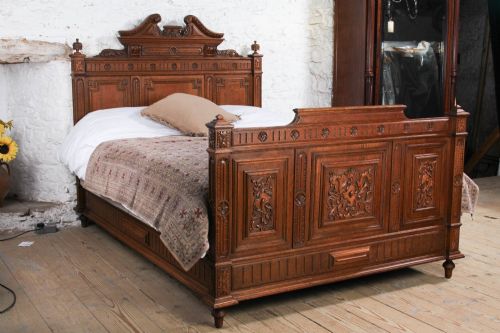
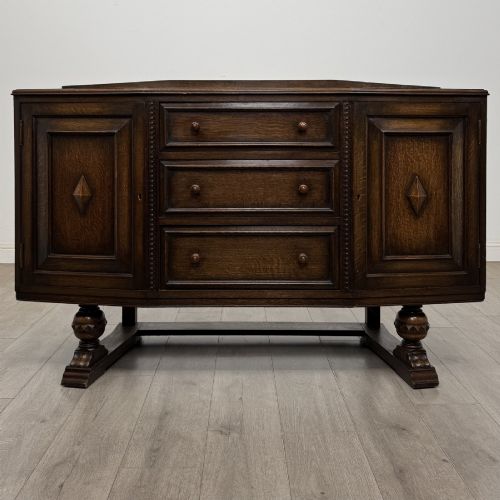
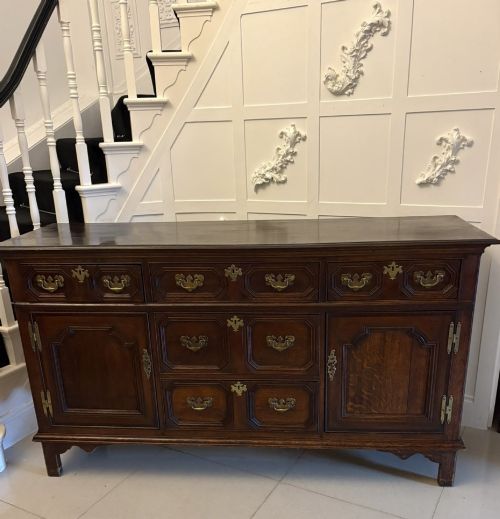
The selections on this page appear within larger furniture items such as coffers, sideboards, cupboards, and settles, or survive independently as wall panels and overmantels. English and continental workshops produced these works across periods including the Jacobean, Georgian, and Victorian eras.
Buyers look for these elements to integrate historic texture into interior spaces, utilising them as wall hangings or incorporating them into architectural schemes. The material carries the rich patina accumulated through centuries of polishing and handling.
Materials and construction methods
Carpenters and joiners utilised seasoned oak timber, selected for its durability and strong medullary rays which catch the light when quarter-sawn. Craftsmen shaped the panels using hand saws and adzes before smoothing the surfaces with drawknives and planes.
Carvers employed gouges, chisels, and V-tools to create low and high relief designs directly into the dense wood. Joinery relied on mortise and tenon joints secured with wooden pegs, allowing the panels to expand and contract naturally with seasonal humidity changes.
Dark Oak Carved Panel Retail Price Guide 2026
Typical asking prices for dark oak carved panel among the pieces listed under this phrase on Sellingantiques today, from the lower quarter to the upper quarter. They describe what is for sale here now, not the wider market.
Distinctions in craftsmanship and preservation
Quality rests in the crispness of the chisel work and the depth of the carving, where master carvers achieved a sense of movement and volume within the rigid grain of the timber. Early panels display confident asymmetry and tool marks that evidence hand manufacture, whilst lesser examples show mechanical uniformity or later recarving.
The integrity of the wood and the survival of the original surface finish dictate the desirability of a piece. Examples retaining their initial dark wax and unblemished structural joints stand apart from those altered by extensive restoration or harsh stripping.
The Dark Oak Carved Panel Glossary
- Linenfold
- A style of relief carving imitating folded linen, popular on sixteenth-century panels. This motif creates a textile-like texture across rigid wooden surfaces.
- Coffer
- A large wooden chest used for storage, constructed with panelled sides and a hinged lid. These pieces frequently incorporate carved friezes and stiles.
- Medullary ray
- A cellular structure radiating from the centre of a tree trunk, visible as pale flecks in quarter-sawn oak. Cabinet makers prize this grain pattern for its decorative appearance.
- Stile
- A vertical framing member in panelled woodwork. Stiles hold the central floating panel in place within the groove.
- Relief
- Sculptural work where figures or patterns project from a background flat surface. High relief projects significantly, creating strong shadow lines.
Dark Oak Carved Panel: Frequently Asked Questions
How do I hang a heavy wooden panel?
Mount the piece using a sturdy French cleat system screwed into wall studs to distribute the weight evenly across the structure.
Avoid direct sunlight and fluctuating heat sources that might cause the old timber to warp or split over time.
Are these panels from old furniture?
Many surviving panels originated as structural components of coffers, cupboards, and wall panelling before being separated over the centuries.
Others were created as independent decorative artworks or architectural fragments intended specifically for display.
How should I clean dark oak?
Dust the surface gently with a dry, soft cloth to remove everyday particles without disturbing the aged patina of the wood.
Apply a microcrystalline wax sparingly once a year if the timber appears dry, buffing it gently to a soft sheen.
Can I date a panel by its carving?
Stylistic motifs such as linenfold, strapwork, and geometric guilloche point to specific eras like the Tudor or Jacobean periods.
Tool marks, timber shrinkage, and construction methods provide further physical evidence to confirm the age of the piece.