



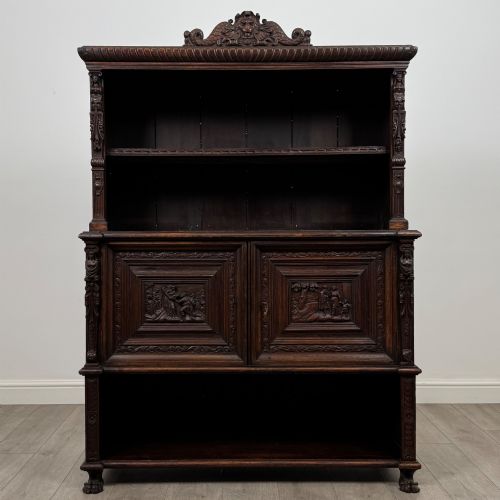
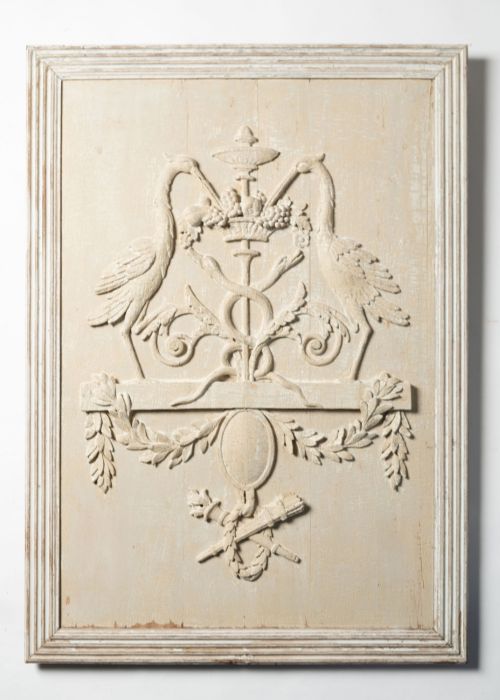
Oak Relief Carving
Oak relief carving brings architectural depth and centuries of hand-chiselled narrative into domestic spaces through panels, plaques and sculptures.
Oak Relief Carving
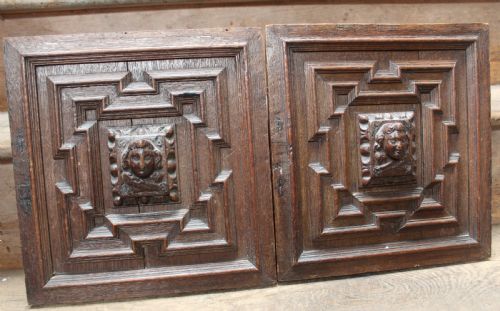
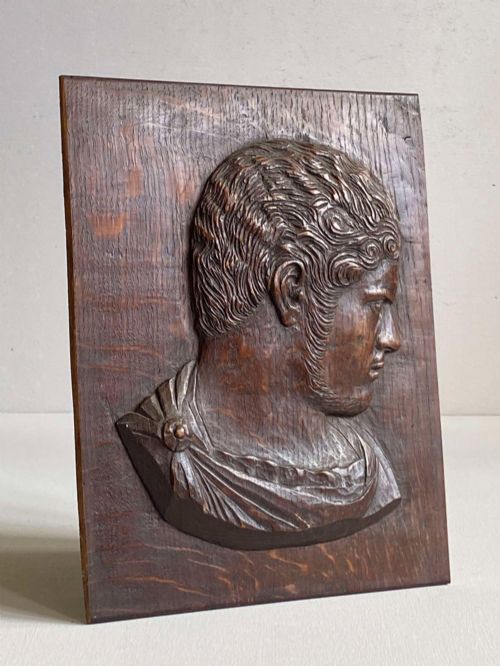
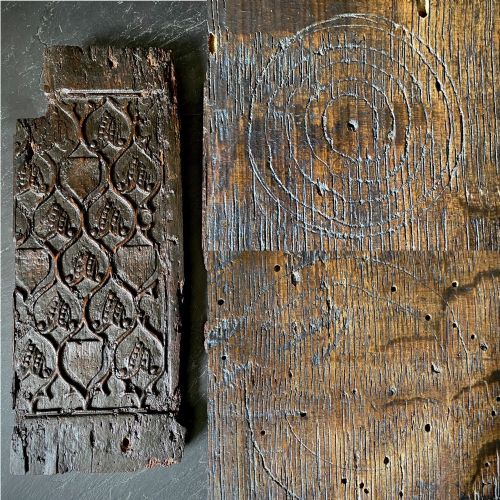
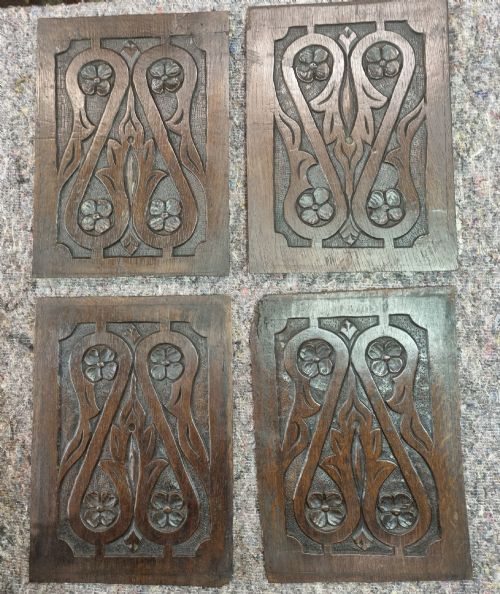
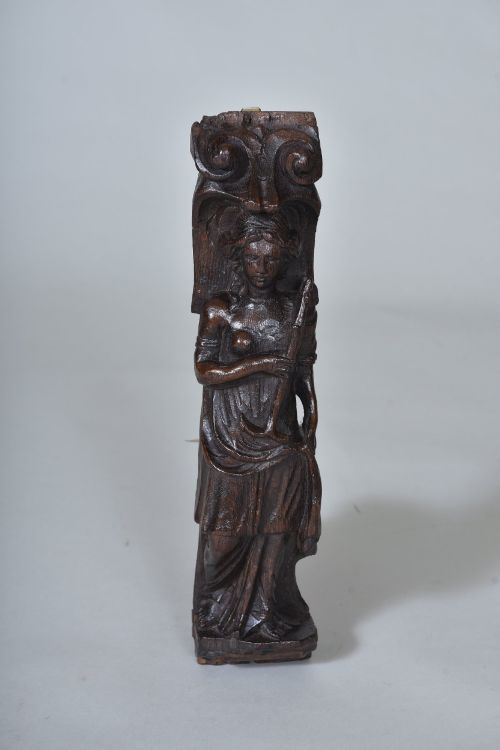
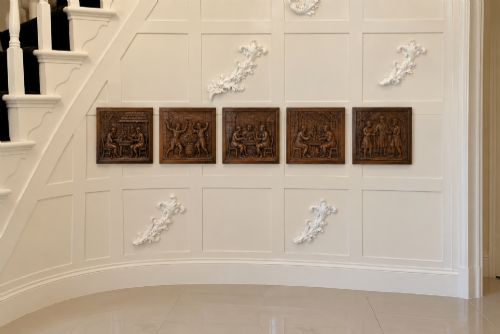
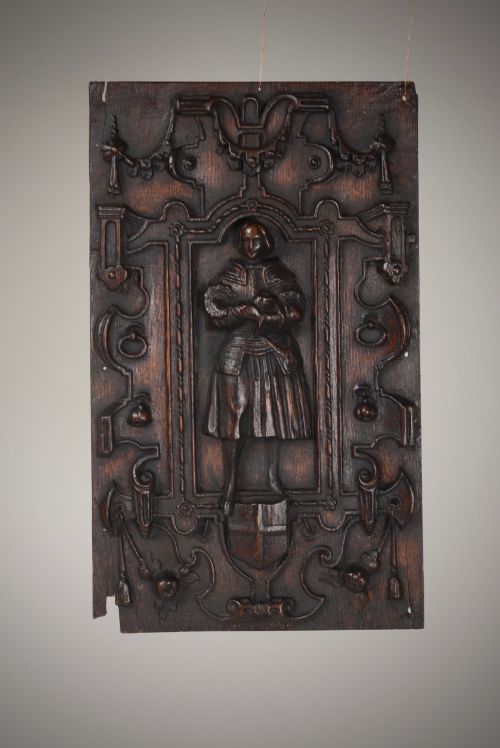
Buyers examining oak relief carving encounter architectural salvage, wall panels, and sculptural wall plaques that originally formed parts of larger interiors or furnishings. These pieces emerge from periods spanning the sixteenth, seventeenth, eighteenth, and nineteenth centuries, alongside revival movements such as Gothic Revival and Renaissance Revival.
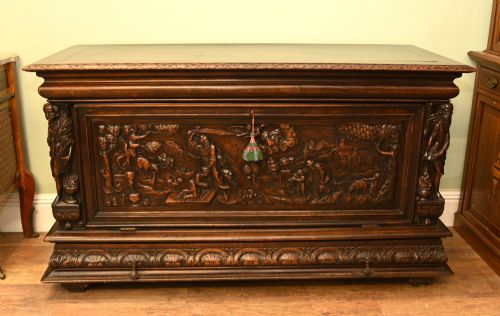
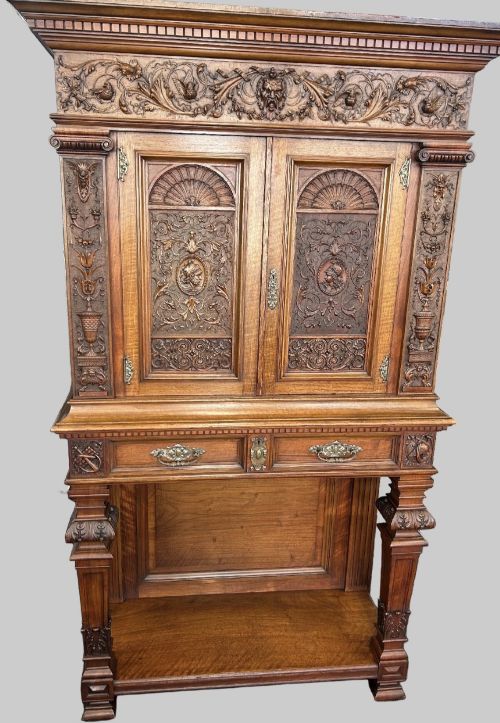
The items range from small ceiling bosses and linenfold panels to substantial overmantles and figurative depictions like Joan of Arc, Neptune, and the Lord's Prayer. While many examples function as standalone wall art, others originate from cabinets, sideboards, settles, and altarpieces.
Originating from English, French, Dutch, German, and Flemish workshops, the inventory demonstrates both early domestic woodwork and later nineteenth-century interpretations. The predominant forms remain flat wall panels and high-relief sculptures carved directly from solid timber.
Materials and construction methods
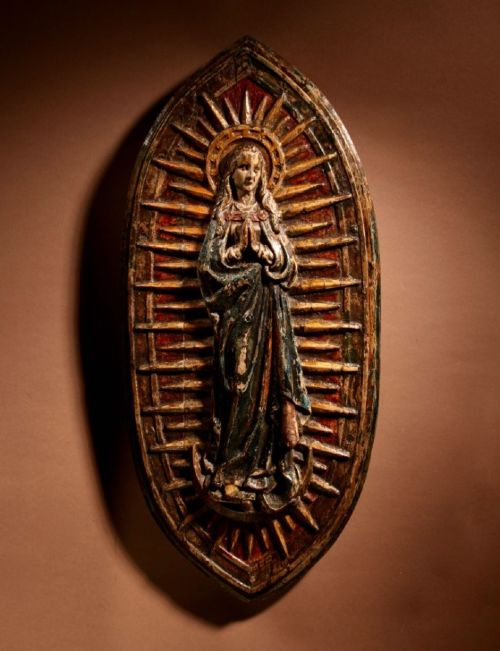
The primary material across the selection is oak, supported occasionally by walnut, fruitwood, and other timbers, sometimes finished with polychrome paint or surface pigments. Craftsmen utilised hand chisels and gouges to shape the solid wood into low, medium, and high relief, exploiting the natural grain and density of the material.
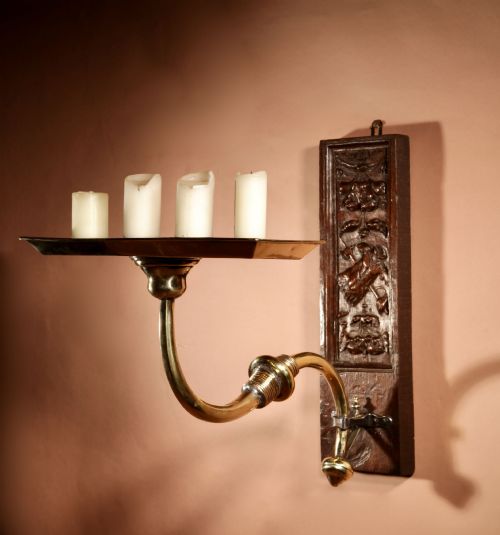
Construction techniques involve traditional joinery, pegged mortise and tenon frames, and direct carving into structural architectural elements such as ceiling bosses, roses, and overdoor panels. Secondary materials like brass and glass appear in associated cabinetry and display pieces rather than the carved panels themselves.
Oak Relief Carving Retail Price Guide 2026
Typical asking prices for oak relief carving among the pieces listed under this phrase on Sellingantiques today, from the lower quarter to the upper quarter. They describe what is for sale here now, not the wider market.
Some centuries-old panels still carry the ghosts of medieval forest spirits, hiding Green Men among the linenfold.
What defines quality in these pieces
The integrity of the timber, the preservation of original surface patination, and the complexity of the narrative - such as detailed allegorical scenes or specific historical figures - elevate individual panels above simple geometric mouldings.
Edward Pearce
The Oak Relief Carving Glossary
- Linenfold
- A style of wood carving representing folded linen, popular on sixteenth-century panels. This treatment creates vertical folds that mimic textile drapery across a flat wooden surface.
- High-Relief
- A sculptural technique where the figures project significantly from the background plane. This method creates strong shadows and deep spatial separation.
- Ceiling Boss
- A decorative projecting block placed at the intersection of ceiling ribs. These circular or square carvings frequently feature floral or figurative motifs.
- Overmantle
- A decorative panel or mirror frame positioned above a fireplace mantel. These architectural elements often incorporate extensive heraldic or figurative carving.
- Polychrome
- The practice of painting wood sculpture in multiple colours. Surviving pigment adds visual complexity to early religious and secular carvings.
Oak Relief Carving: Frequently Asked Questions
How were oak relief carvings originally used?
These carvings functioned primarily as architectural wall panels, structural furniture components, and devotional altarpiece elements within domestic and ecclesiastical interiors. They provided both insulation and visual narrative to wealthy households and public buildings.
Over subsequent centuries, many panels were salvaged from larger dismantled furniture or buildings to be mounted independently as decorative wall art.
How do I distinguish sixteenth-century panels from nineteenth-century revivals?
Early pieces typically exhibit tool marks consistent with hand-cleaved timber and period-specific joinery, alongside wear patterns developed over centuries of handling. Revival pieces often display machine-assisted cuts or proportions influenced by Victorian design standards.
Examining the back of the timber and the nature of the patina helps clarify the true age of the carving.
Can these wall panels be hung safely?
Most wall panels and plaques are substantial and require secure fixing directly into wall studs or masonry rather than standard picture hooks. Professional framing or mounting brackets ensure the weight of the solid timber is evenly supported.
Environmental stability is also important to prevent the oak from warping due to excessive moisture or heat fluctuations.
What subjects are common in these carvings?
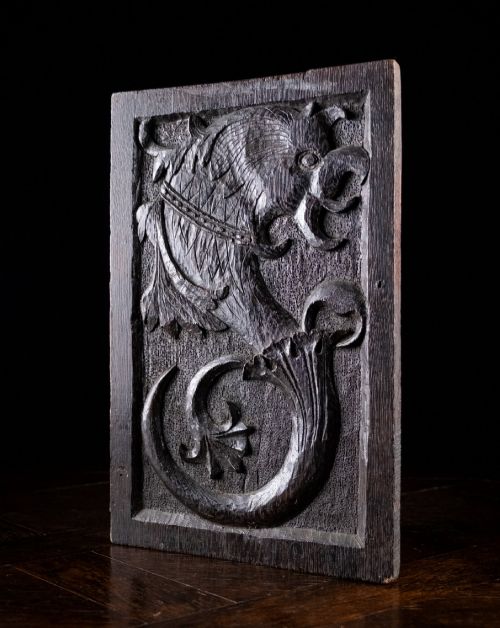
Common subjects include religious scenes, classical figures like Neptune, allegorical representations of faith, and portraits of historical personages or local rulers. Decorative motifs also feature Green Men, heraldic arms, and floral arrangements.
These themes reflect the cultural and political preoccupations of the period in which the carver worked.