


16th Century Carved Panel
A 16th century carved panel brings tangible Tudor and Elizabethan history into a room through deep relief woodcarving.
16th Century Carved Panel
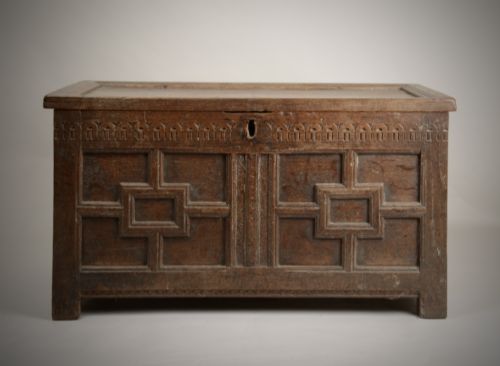
When you search for a 16th century carved panel, you encounter fragments of domestic and ecclesiastical interiors, from coffer fronts to wall sections. These objects showcase historic craftsmanship intended to display status and piety in period homes.
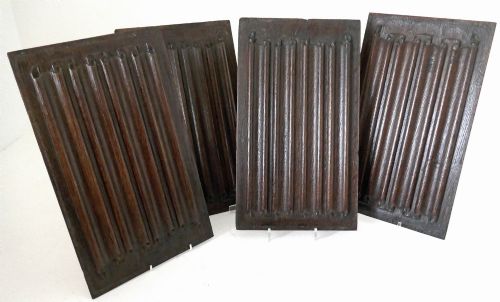
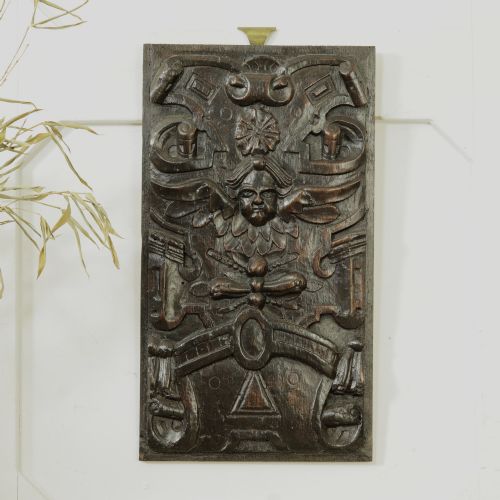
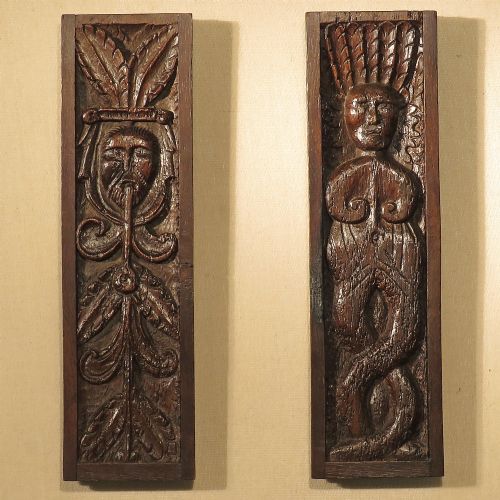
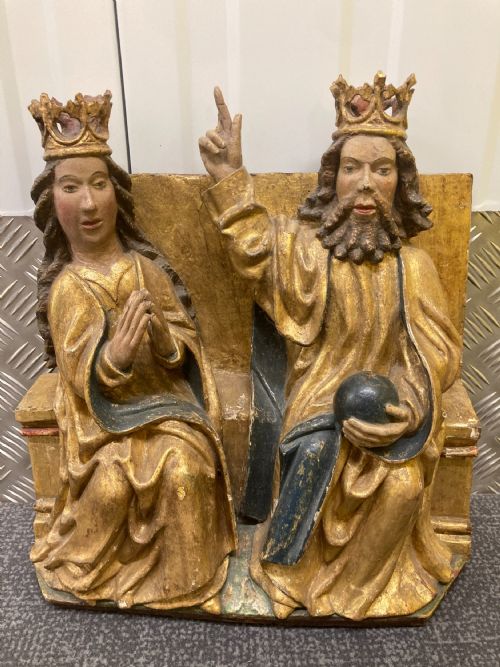
The most frequent form on this page is the oak linenfold panel, alongside figural carvings depicting Green Men, religious scenes, and mythical beasts. Many pieces originated as components of larger furniture pieces or architectural schemes before being separated over the centuries.
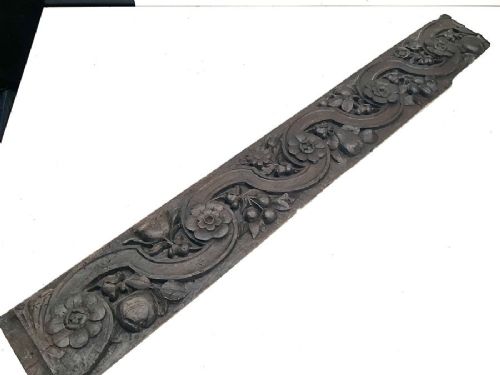
Examples span the Tudor, Elizabethan, and Jacobean styles, showing how regional British and continental workshops interpreted Renaissance motifs. Tracery and portrait panels also appear, reflecting the transition from late Gothic design to classical ornament.
Materials and Technique
Makers relied primarily on native oak and walnut, selected for density and carved using hand chisels and gouges. The depth of relief varies from shallow linenfold folds to high-relief figural sculptures and pierced tracery.
Surface treatments range from bare timber exposed to centuries of ageing to traces of original polychrome paint and gold leaf. Joinery techniques such as pegged mortise and tenon frames typically housed these panels within larger chests and wall linings.
Watch for mischievous carved serpents and mythical mandrake roots hiding among the standard saints and scholars.
Assessing Quality
Quality rests in the crispness of the hand carving and the depth of the undercut relief work. Superior panels retain sharp facial expressions on portraits and distinct details in foliage or strapwork.
The integrity of the timber and the preservation of original surfaces also separate standard examples from exceptional ones. Panels that retain their structural edges and undisturbed historical patination hold greater interest for collectors.
Hugues Sambin
The 16th Century Carved Panel Glossary
- Linenfold
- A style of woodcarving imitating folded fabric, commonly seen on Tudor panels. This motif provides vertical texture on chest fronts and walling.
- Green Man
- A decorative architectural carving of a human face emerging from or entwined with foliage. It often symbolizes rebirth and spring in early woodwork.
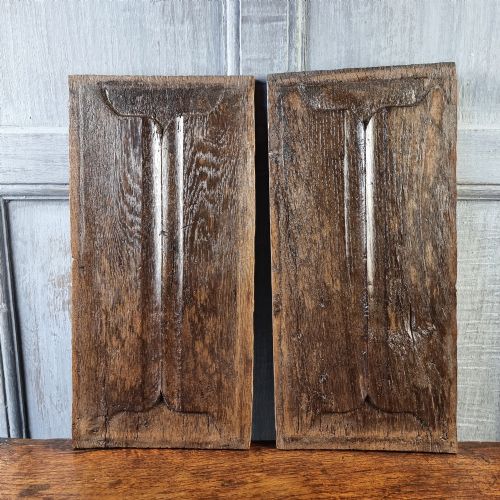
- Tracery
- Openwork or pierced stone or wood ornamentation resembling Gothic window patterns. These geometric designs frequently structure ecclesiastical panels.
- Romayne
- A Renaissance portrait profile carved in low relief within a roundel or medallion. This continental motif gained popularity in English woodwork during the sixteenth century.
- Strapwork
- Ornamentation consisting of interlaced bands or ribbons resembling leather straps. It characterises Elizabethan and Jacobean decorative schemes.
16th Century Carved Panel: Frequently Asked Questions
How were these panels originally used in homes?
These panels functioned primarily as structural elements within larger oak furniture, such as coffers, vestry cupboards, and wall wainscoting. They provided both decoration and insulation in period rooms.
Over subsequent centuries, many panels were removed from their original housings and mounted independently as works of art for display on walls.
Can I hang a heavy oak panel on a modern wall?
Hanging a dense oak or walnut panel requires securing the weight directly into wall studs or masonry using appropriate fixings. Professional framing or mounting brackets help distribute the load safely.
Environmental factors like direct sunlight and central heating should be avoided to prevent the historic timber from drying out and splitting.
How do I distinguish Tudor style from Elizabethan work?
Tudor carving often retains late Gothic elements like geometric tracery, linenfold patterns, and formal religious iconography. The overall aesthetic tends toward strict symmetry and vertical emphasis.
Elizabethan work introduces Renaissance influences, including strapwork, classical motifs, and Romayne medallions with portrait profiles. The carving frequently displays greater depth and sculptural complexity.