


Renaissance Carved Wood Panel
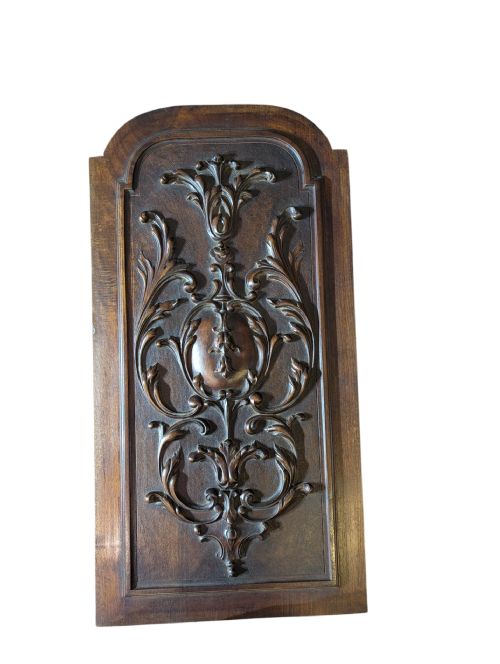
A renaissance carved wood panel brings centuries of architectural depth and hand-carved detail into a modern room, usually appearing as oak or walnut wall fragments from sixteenth and seventeenth-century buildings.
Renaissance Carved Wood Panel
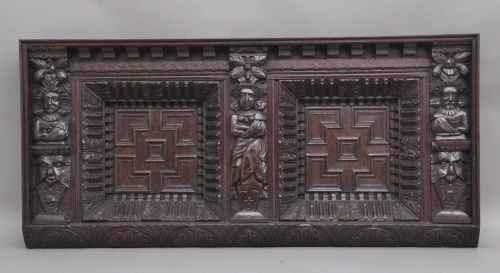
A renaissance carved wood panel is an architectural remnant salvaged from period buildings, coffer fronts, and overmantles. When you search for this phrase, you encounter panels originating predominantly from the sixteenth and seventeenth centuries, alongside revival interpretations from the Victorian era and the late nineteenth century.
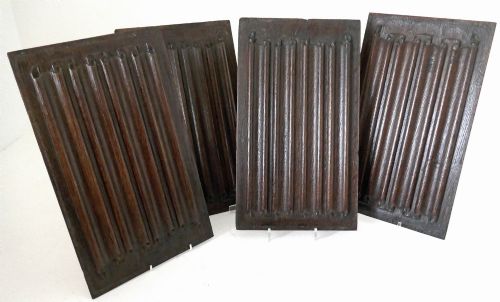
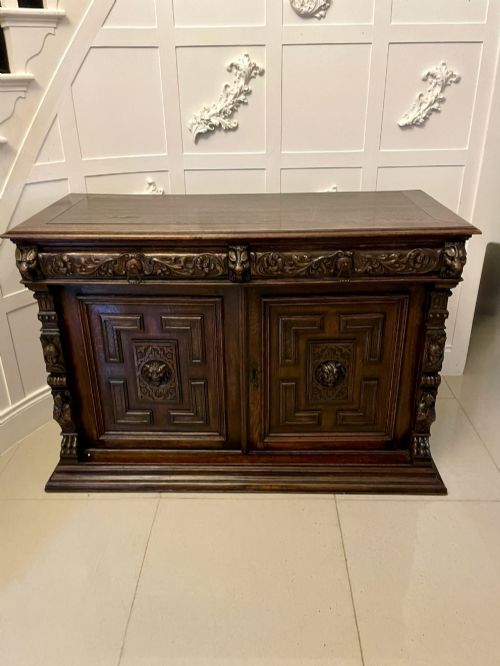
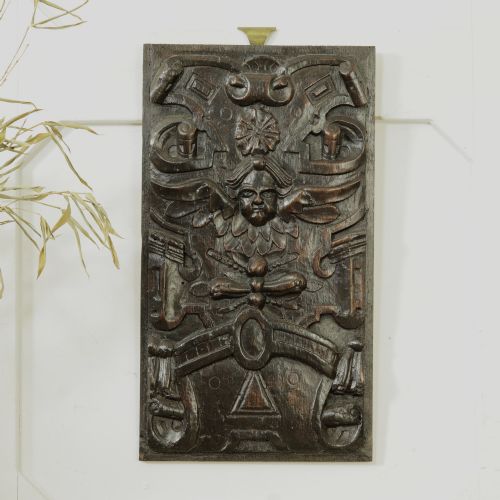
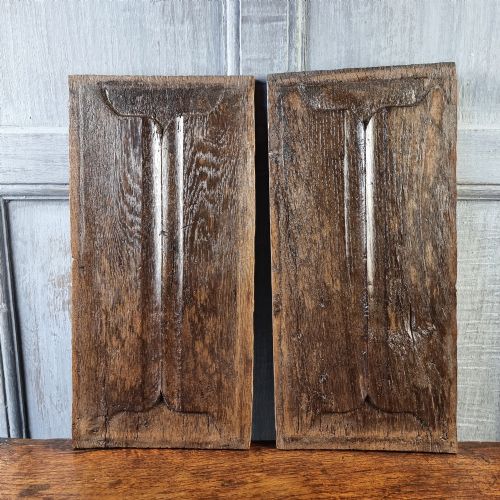
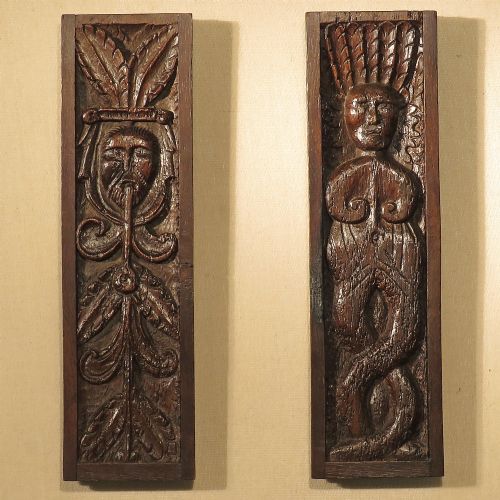
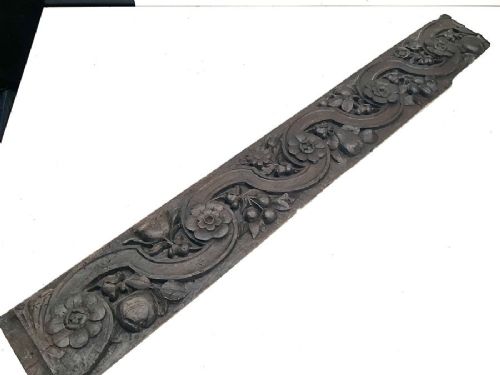
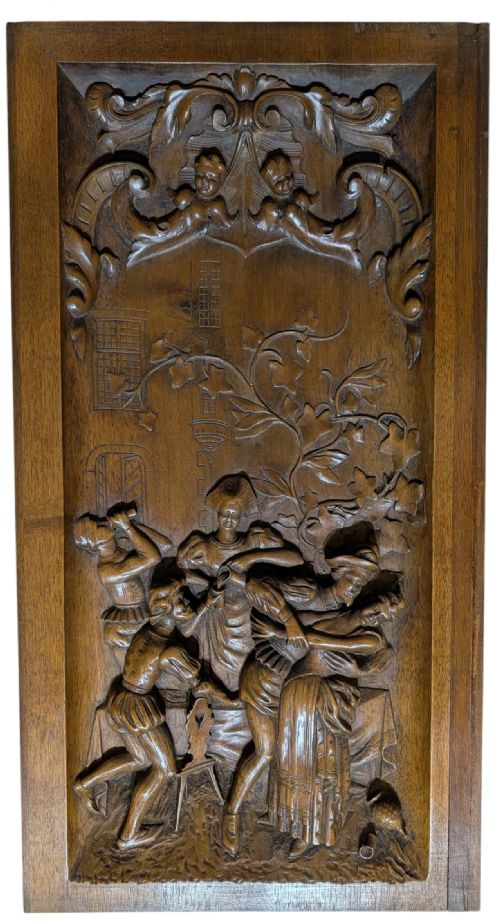
The form varies from flat wall panels and linenfold designs to high-relief figurative sculptures and mythological carvings. Oak and walnut dominate the listings, frequently taking shape as wall reliefs, cabinet doors, and architectural fragments.
Most examples trace their origins to English, French, and Italian workshops, shifting from early Tudor and Jacobean styles to later Renaissance Revival and Baroque expressions.
How they were made
Carvers shaped these panels using native hardwoods like oak and walnut, relying on gouges and chisels to create deep undercutting and relief. Timber selection dictated the longevity of the carving, with quarter-sawn oak providing stable surfaces for intricate linenfold and figural motifs.
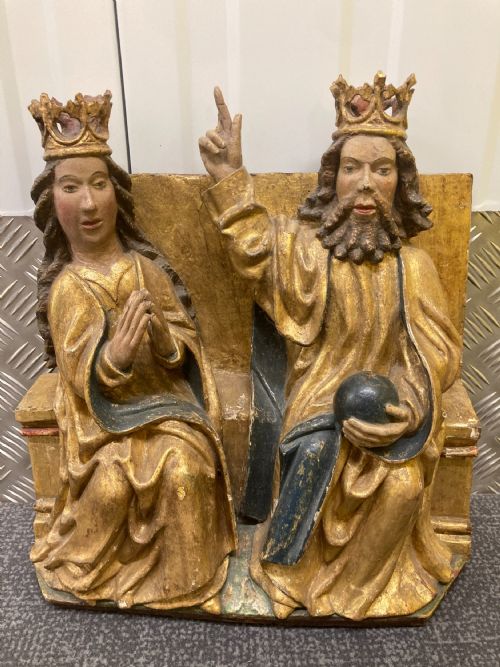
Surface treatments range from bare timber to traces of gold leaf, oil paint, and polychrome pigment. Many surviving panels show the natural darkening of aged wood alongside historical wax or oil finishes applied over centuries.
Listings feature oak and walnut predominantly, spanning the sixteenth, seventeenth, and nineteenth centuries.
What varies in quality
The distinction between ordinary salvaged timber and exceptional sculptural work lies in the depth of relief and the sharpness of the hand-carved detail. Master carvers achieved anatomical precision and fluid drapery in walnut and oak, whereas lesser pieces rely on mechanical repetition and shallow incision.
Proportion and the integration of the carving into its architectural context separate fine sixteenth and seventeenth-century panels from later nineteenth-century revivals. Original surface patination and the survival of early polychrome or gilt details elevate the standing of a panel significantly.
Hugues Sambin
The Renaissance Carved Wood Panel Glossary
- Linenfold
- A style of wood carving that imitates folded linen, commonly seen on sixteenth-century panels and coffer fronts. This technique creates a vertical ribbed texture across the wooden surface.
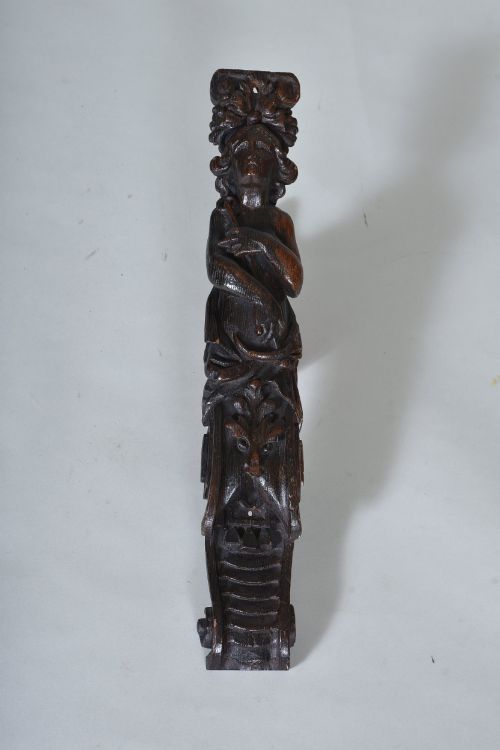
- Caryatid
- A sculpted female figure serving as an architectural support in place of a column. These appear frequently on sixteenth and seventeenth-century furniture and architectural panels.
- Overmantle
- A decorative framework or panel installation placed directly above a fireplace mantel. These often incorporate heavy oak or walnut carvings and architectural mouldings.
- Polychrome
- The practice of decorating architectural wood carvings with multiple colours of paint. Surviving examples retain remnants of historical pigments on figural reliefs.
- High-relief
- A sculptural technique where figures project significantly from the background plane. This method creates pronounced shadows and three-dimensional depth on antique panels.
Renaissance Carved Wood Panel: Frequently Asked Questions
How do I hang a heavy wood panel?
Heavy panels require secure wall anchoring, typically utilising a French cleat system screwed into wall studs to distribute the weight evenly across the wooden backing.
Avoid hanging antique carvings directly from delicate historical loops or brackets attached to the frame.
Are these panels from original buildings?
Many panels originate as architectural salvage from period structures, coffer fronts, and dismantled cabinetry dating back to the sixteenth and seventeenth centuries.
Other examples include nineteenth-century revival pieces created during periods of historical architectural appreciation.
How do I distinguish sixteenth-century work from later revivals?
Early pieces display tool marks consistent with hand-cleaving and traditional iron chisels, alongside timber shrinkage and oxidation appropriate to centuries of age. Revival pieces from the nineteenth century often feature uniform machine-sawn backing and standardised joinery.