
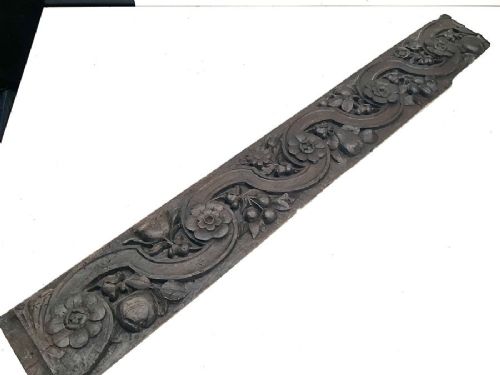


Tudor Oak Wall Panel
A tudor oak wall panel brings centuries of carved timber history straight into a room.
Tudor Oak Wall Panel
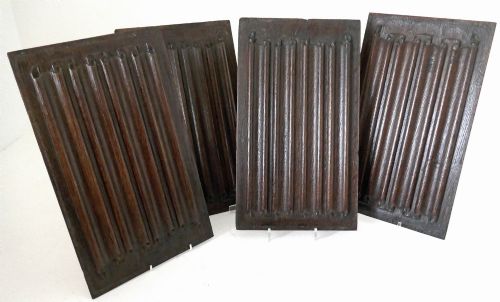
A tudor oak wall panel brings architectural salvage into modern interiors, presenting dense timber carved with historic motifs. These pieces serve as wall panels, wall reliefs, and overmantles that anchor a room in the sixteenth and seventeenth centuries.
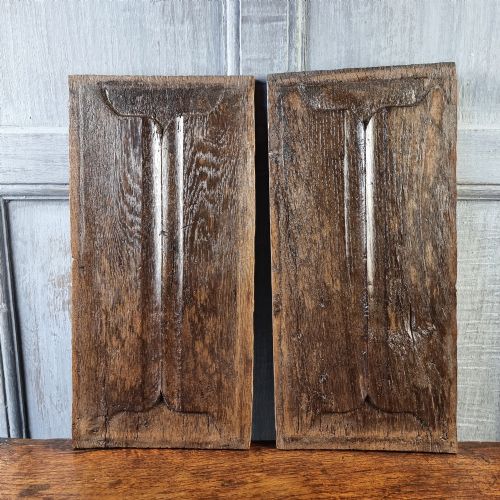
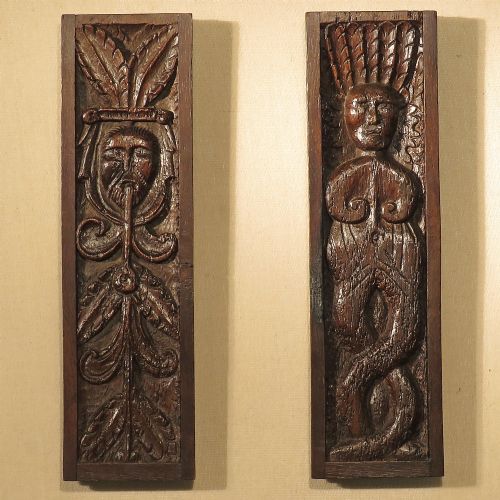
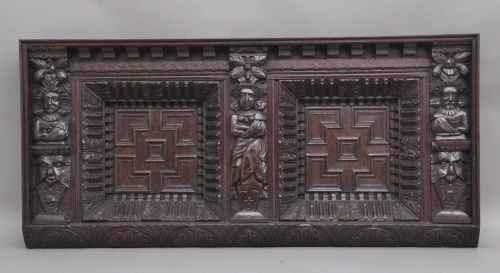
The version most commonly met on this page is the sixteenth century linenfold panel, alongside seventeenth century friezes and nineteenth century Gothic Revival ceiling panels. Collectors also encounter figurative carvings depicting subjects such as the Green Man, serpents, and biblical scenes.
Makers cut these architectural elements from sturdy timber to line grand rooms or adorn furniture like coffer fronts. Surviving examples demonstrate how interior woodwork evolved from simple folds to elaborate Renaissance reliefs.
How a tudor oak wall panel was made
Carpenters shaped these architectural salvage items using solid oak and walnut timber, relying on hand tools to carve each design directly into the wood. The natural grain of the oak provides a durable foundation that absorbs centuries of polish and wear.
Workshops employed chisels and gouges to execute linenfold patterns, serpentine motifs, and relief scenes like the circumcision of Christ. Each board reflects the individual hand of the carver rather than mechanical replication.
The listings span four distinct periods: sixteenth century, seventeenth century, the year 1700, and nineteenth century Gothic Revival.
What varies in quality
The depth and complexity of the hand carving separate simpler boards from exceptional architectural panels. Crisply rendered figures, such as Green Man reliefs or intricate Renaissance friezes, demand greater skill than standard geometric folds.
The integrity of the timber and the extent of later alterations dictate the character of each piece. Surviving sixteenth century surfaces retain a depth of texture that later nineteenth century Gothic Revival interpretations approach with different tool marks.
The Tudor Oak Wall Panel Glossary
- Linenfold
- A style of woodcarving that imitates vertical folds of fabric, commonly seen on sixteenth century panels. This treatment gives flat timber a textured, drapery-like appearance.
- Green Man
- A sculptural motif representing a face surrounded by or sprouting from leaves and foliage. It appears frequently in early carved woodwork and architectural reliefs.
- Architectural salvage
- Building elements rescued from older structures for reuse in interior design. This category includes wall panels, friezes, and overmantles.
- Coffer front
- The decorative wooden face of a traditional storage chest. These panels often share the same carving styles and periods as wall timbers.
- Overmantle
- A decorative structure placed above a fireplace opening. Carved oak examples often incorporate Renaissance motifs and panel assemblies.
Tudor Oak Wall Panel: Frequently Asked Questions
How do I hang a heavy wooden panel?
These solid timber pieces require secure wall anchoring due to their substantial weight. Fixing battens directly into wall studs ensures the panel is supported safely.
Professional installers often use concealed metal brackets designed for architectural salvage. This method keeps the historic woodwork visible without causing unnecessary damage.
How do I clean historic oak woodwork?
Maintenance involves dusting the surface gently with a dry, soft cloth to remove everyday particles. Avoid using modern chemical polishes that can build up on the antique grain.
Applying a light coat of natural beeswax occasionally helps nourish the timber. This preserves the historic finish without altering the colour of the wood.
How do I tell sixteenth century panels apart from nineteenth century copies?
Sixteenth century examples display tool marks and timber shrinkage consistent with early hand carpentry. The oak develops a distinct dry patina over hundreds of years of exposure.
Nineteenth century Gothic Revival pieces often feel heavier and show different sawing techniques on the reverse. Examining the back of the board reveals the age of the wood preparation.
Where were these panels originally placed in a room?
Carpenters fitted these boards into walls as part of extensive timber paneling schemes in manor houses and public halls. Friezes ran horizontally near the ceiling, while linenfold panels lined the main walls.
Some pieces also served as decorative elements on furniture or above hearths. Their placement dictated the scale and subject of the carving.