
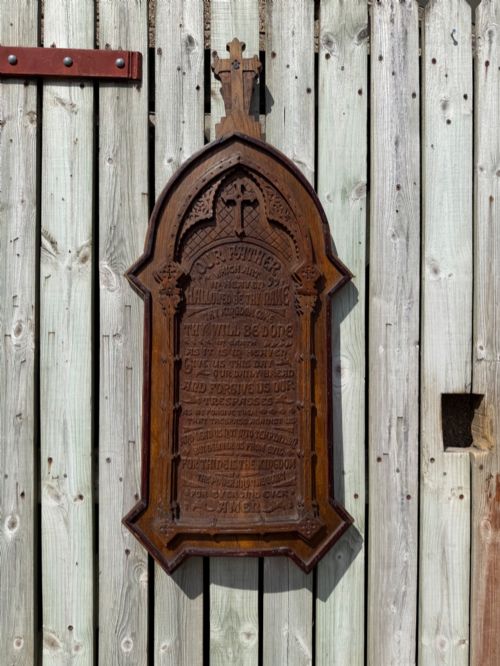
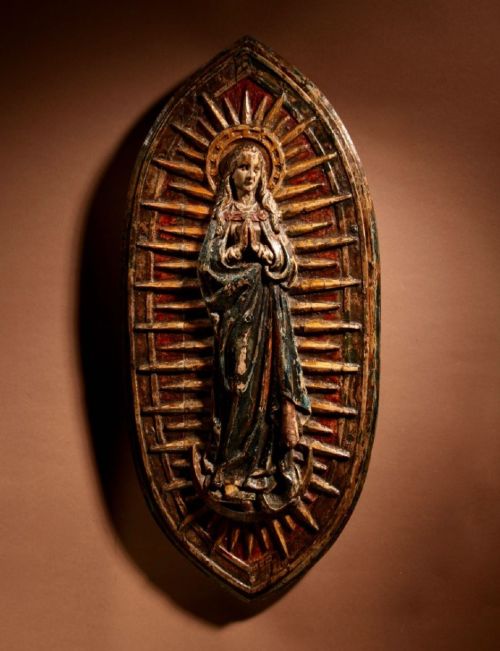
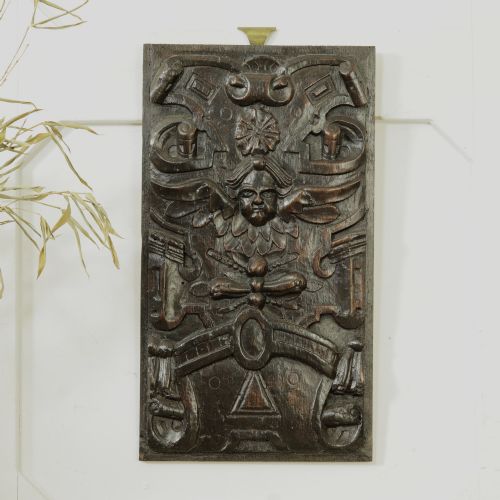
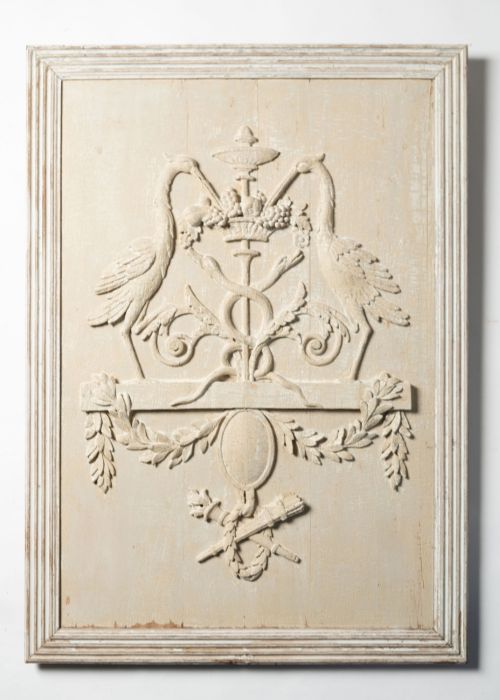
Antique Oak Relief Panel
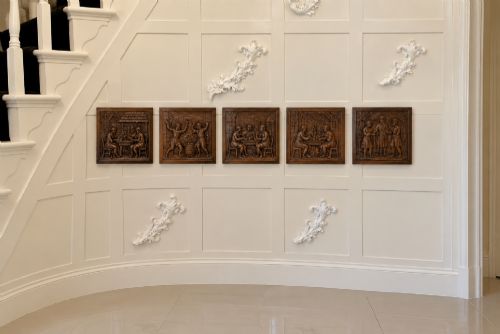
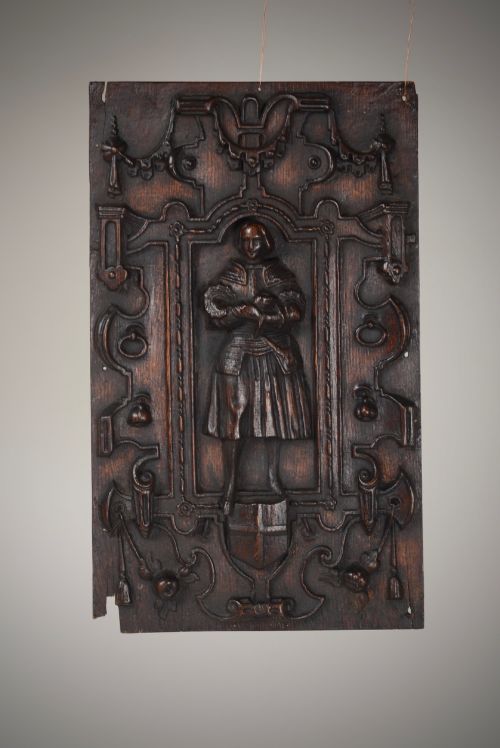
These antique oak relief panel examples range from medieval church fragments to seventeenth-century architectural fittings, offering deep figurative carving for collectors of historic woodwork.
Antique Oak Relief Panel
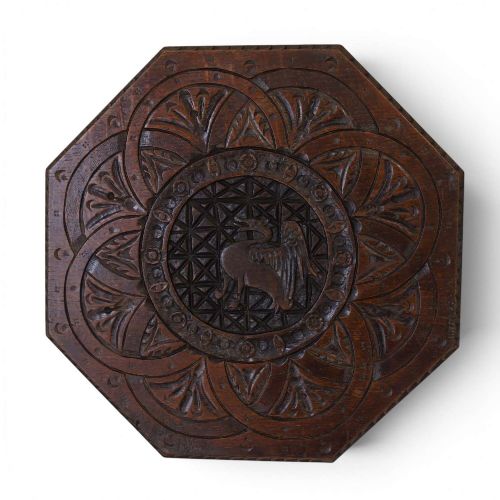
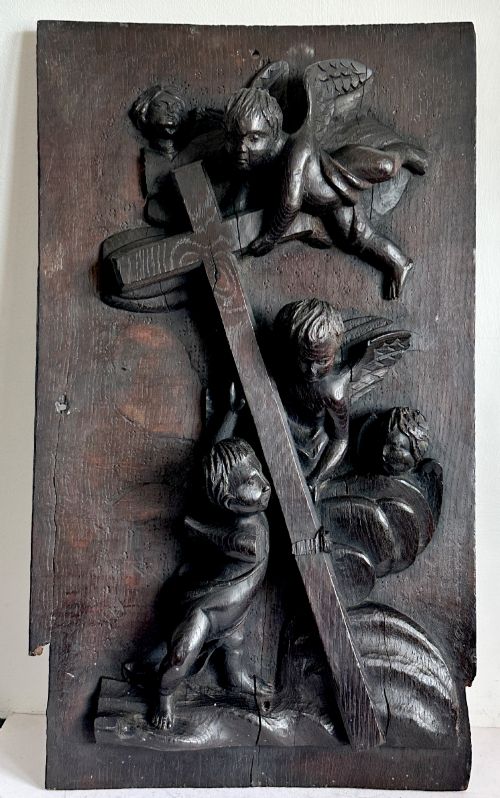
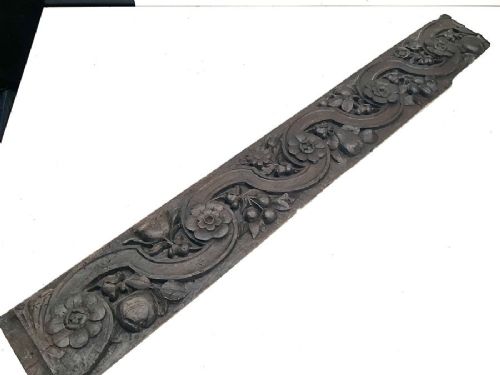
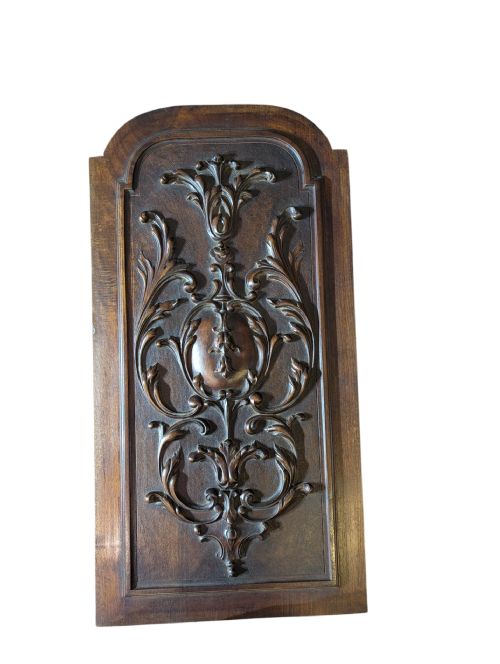
An antique oak relief panel serves as a fragment of historic architecture, repurposed wall art, or ecclesiastical salvage taken from larger church and domestic furnishings. When searching this phrase, buyers encounter architectural elements such as overdoor panels, staircase sections, friezes, and ceiling bosses alongside figurative plaques.
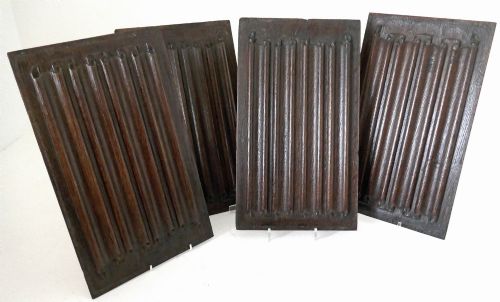
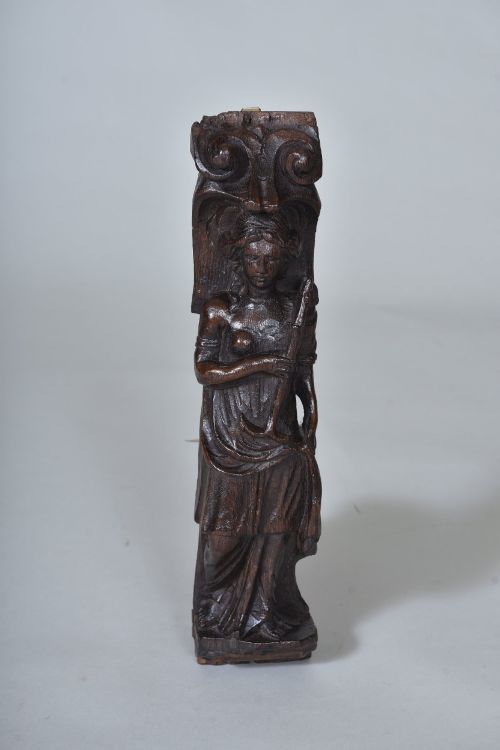
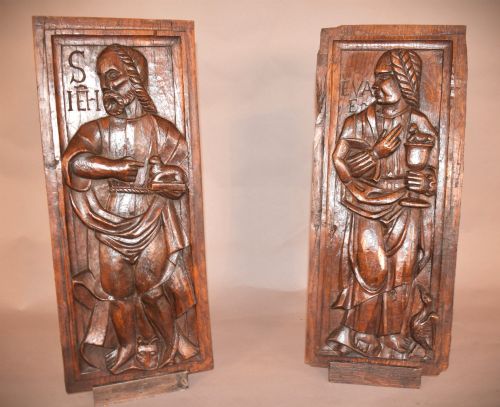
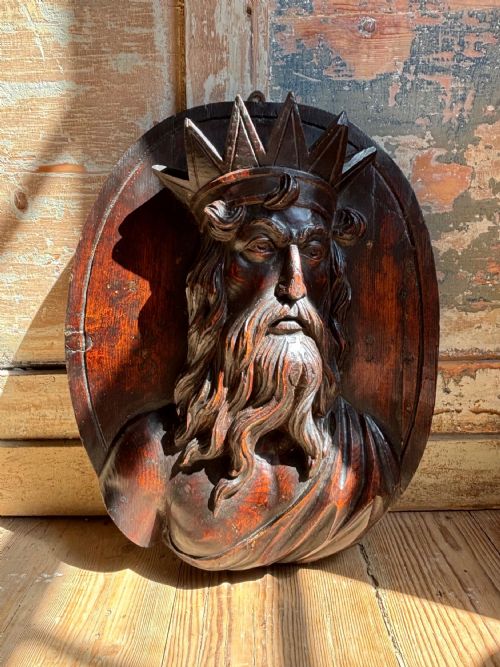
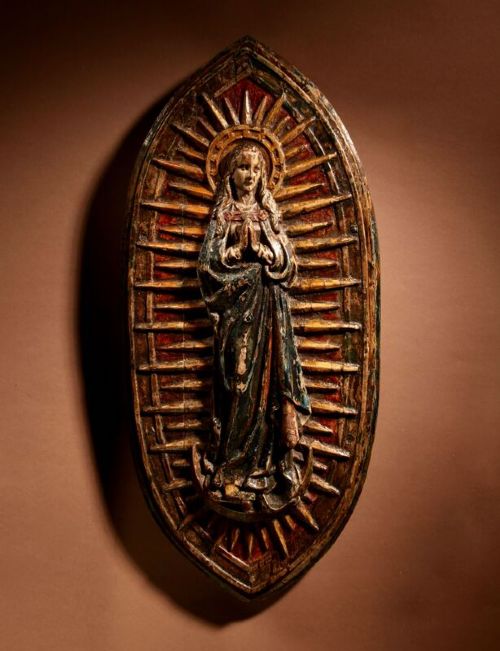
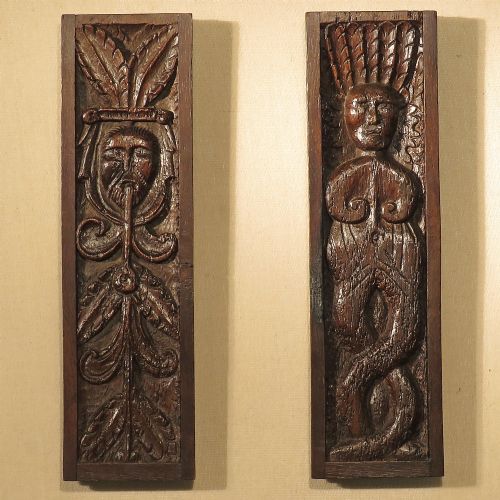
The selection on this page relies heavily on seventeenth-century and sixteenth-century examples, complemented by later Victorian revivals and nineteenth-century interpretations. Common visual subjects span linenfold patterns, mythological figures like Neptune, religious iconography including the Virgin Mary and Green Man motifs, and heraldic crests.
Forms vary widely from flat wall plaques and high-relief sculptures to structural remnants like box settles and fire screens incorporating carved timber. Most pieces emerge from British, Flemish, German, and French workshops, capturing centuries of regional woodworking traditions.
How they were made
Carpenters and carvers shaped these pieces primarily from solid oak and timber, occasionally utilising walnut, fruitwood, and bronze for specific plaques or sculptural details. Artisans relied on hand tools to execute deep relief, linenfold folding, and pierced openwork across panels, friezes, and ceiling roses.
Some works incorporate polychrome paint, gesso, or framing elements in copper, showing how decorative finishes enhanced the carved wood surfaces. Structural components were joined using traditional timber construction methods appropriate to architectural salvage and ecclesiastical furnishings.
Listings feature periods spanning from pre-sixteenth century medieval carvings to Victorian Gothic Revival interpretations.
What varies in quality
Depth of carving and clarity of detail separate standard architectural timber from masterwork reliefs, particularly in figurative expressions and drapery. Pieces attributed to specific workshops or notable carvers demonstrate superior anatomical proportion and compositional balance.
The integrity of the surviving wood surface, the complexity of motifs such as pierced acanthus leaves or heraldic crests, and the original context of the salvage determine the tier of the piece.
Edward Pearce
The Antique Oak Relief Panel Glossary
- Linenfold
- A style of relief carving imitating folded linen or parchment. It is frequently found on sixteenth-century panels.
- High-Relief
- Carving where the figures project significantly from the background surface. This technique creates strong shadows and three-dimensional depth.
- Ceiling Boss
- A decorative projecting block placed at the intersection of ceiling ribs. These structural elements often feature carved foliage or figurative subjects.
- Green Man
- An architectural ornament depicting a face surrounded by or made from leaves and vines. It symbolizes rebirth and spring.
- Armorial
- A design displaying a coat of arms or family crest. These elements denote specific lineages and historical ownership.
Antique Oak Relief Panel: Frequently Asked Questions
Where did these panels originate?
These panels largely originate from historic European buildings, churches, and domestic interiors as architectural salvage.
Craftsmen across Britain, France, Flanders, and Germany produced them for structural fittings, furniture, and wall decoration.
How were antique panels used?
Historic panels functioned as integral parts of architectural schemes, including overdoors, staircases, friezes, and altarpieces.
Over time, many were removed from their original settings to be mounted on walls or incorporated into later furniture like settles.
How do I identify sixteenth-century work?
Sixteenth-century examples frequently feature strict linenfold patterns or medieval ecclesiastical iconography such as altarpiece fragments and saints.
The tool marks and dense grain of the early oak timber also help distinguish these pieces from later revival items.
What is a Green Man panel?
A Green Man panel depicts a carved human face intertwined with foliage, vines, or branches.
This ancient architectural motif appears across several periods as a symbol of growth and the natural world.