
Renaissance Oak Carving
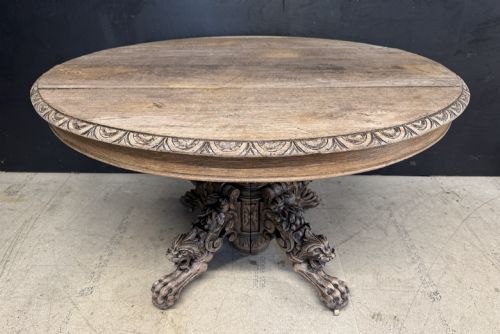
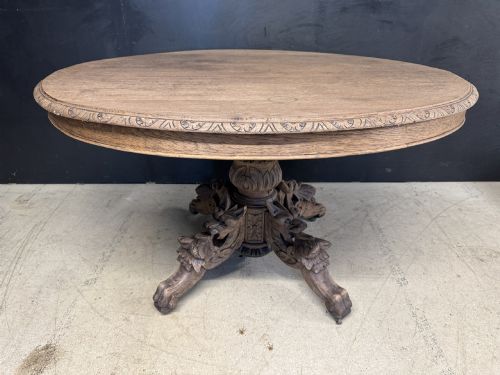
Renaissance oak carving brings deep relief work, architectural salvage and heavy period furniture into a room, holding the rich patination of centuries past.
Renaissance Oak Carving
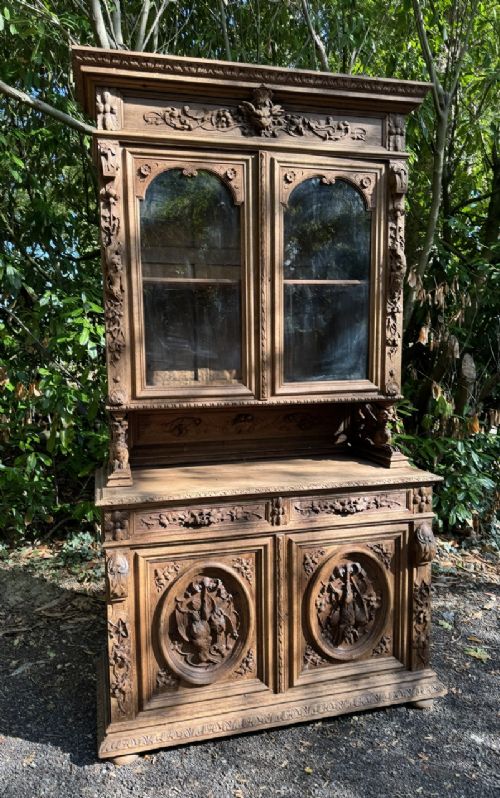
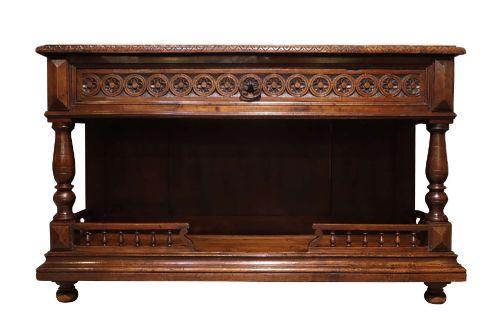
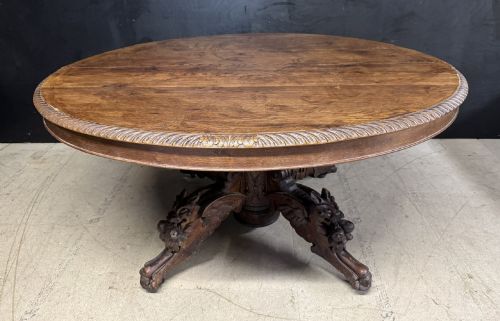
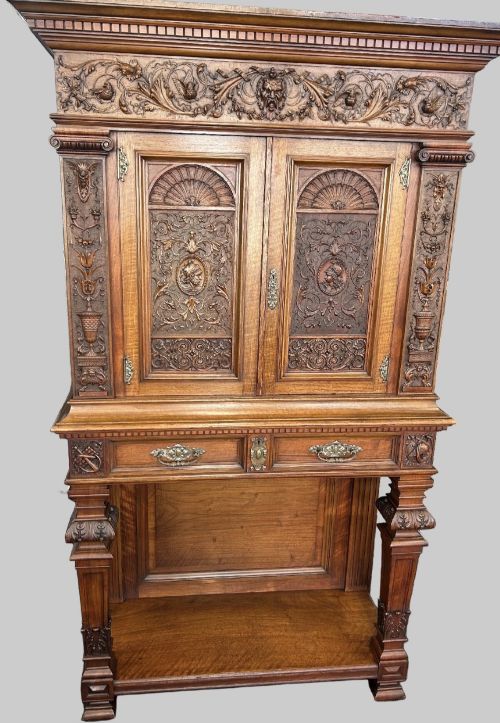
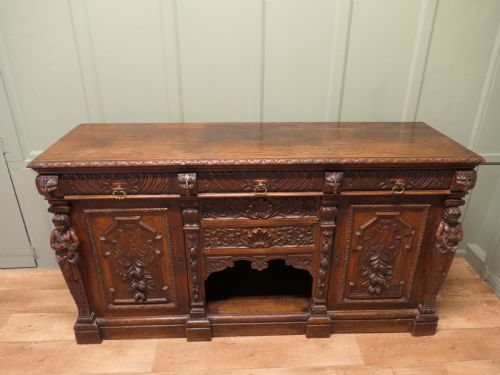
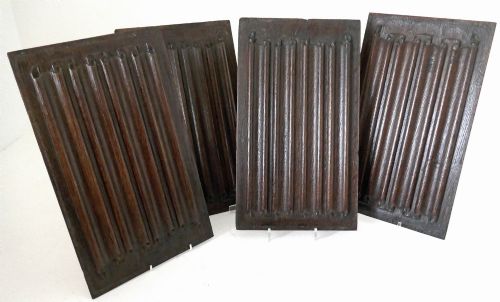
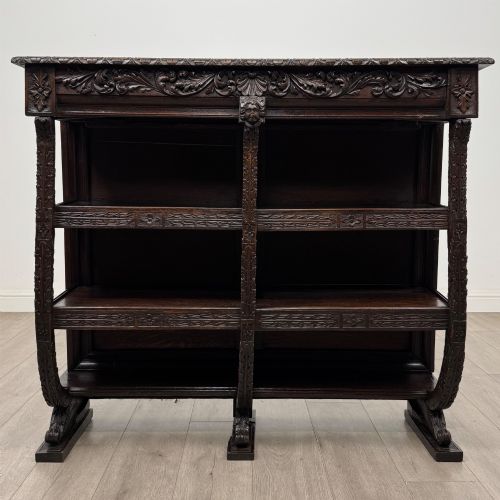
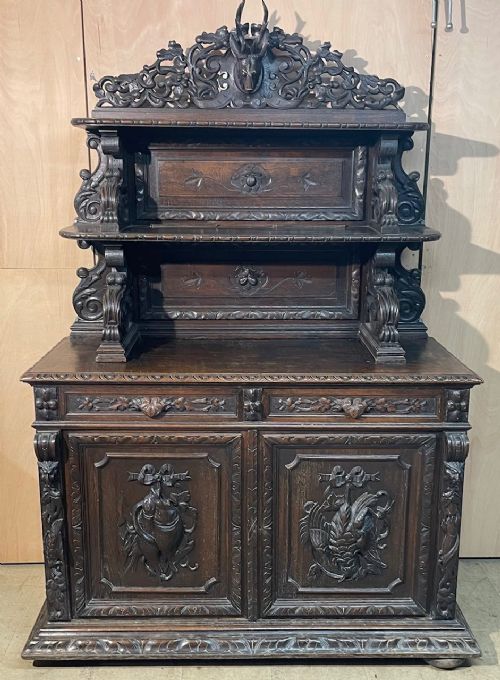
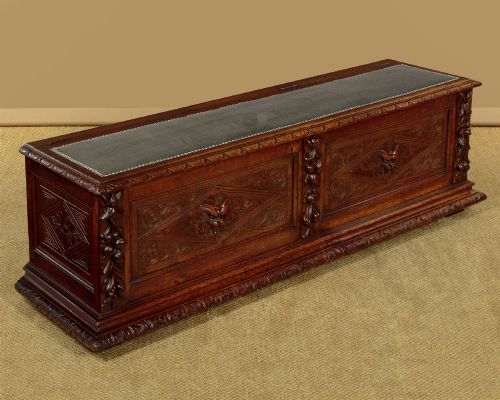
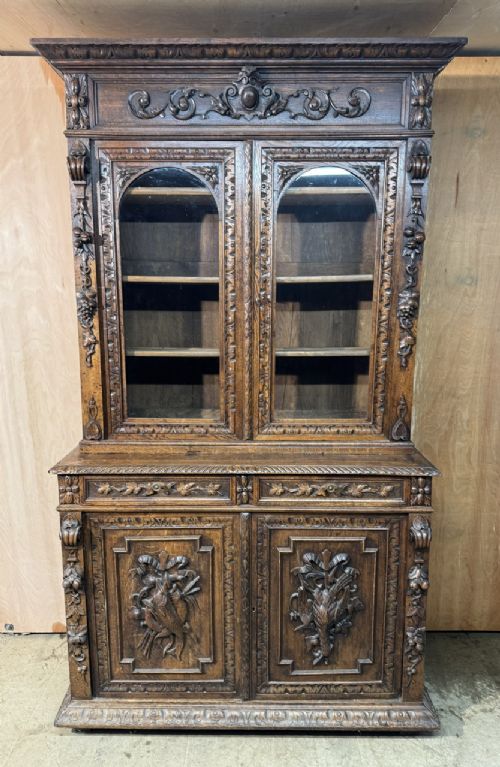
When searching for renaissance oak carving, a buyer encounters a dense mix of authentic sixteenth and seventeenth-century fragments alongside nineteenth-century revival interpretations. The inventory ranges from architectural wall panels and linenfold fragments to substantial sideboards, bookcases, and armchairs.
Most items appearing on this page date from the nineteenth century, utilising historical motifs such as linenfold and high-relief figures in revival styles. Authentic sixteenth and seventeenth-century panels, benches, and cupboards also surface, carrying the heavier grain and deeper wear of their original eras.
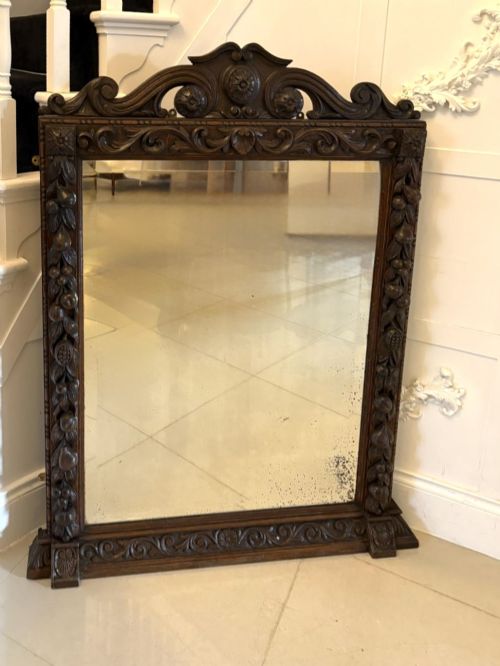
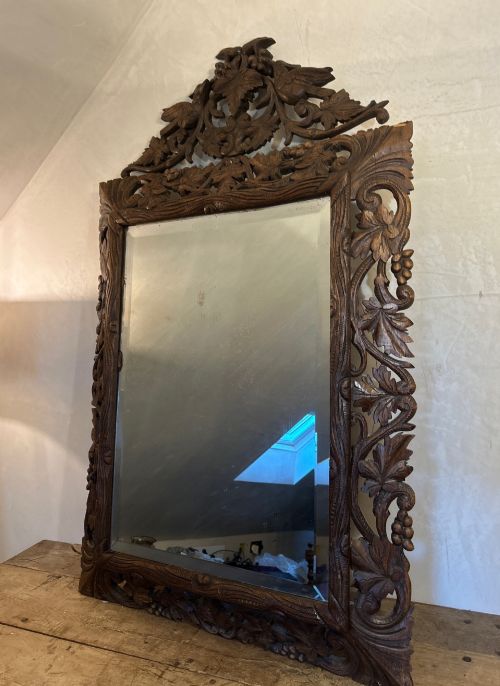
Forms span functional seating, tables, and cabinets, as well as decorative architectural salvage, mirrors, and wall panels. French and English examples dominate, often showing regional interpretations of Renaissance and Tudor design.
Assessing quality
The depth and crispness of the chisel work separate ordinary decorative items from superior examples. High-grade pieces show confident, undercut relief in figures and foliage, whereas lesser items rely on shallow, mechanical stamping or simple surface incisions.
Age, timber selection, and surface patination dictate overall standing. Pieces retaining their original structural timber, untouched dry surfaces, and period ironwork command greater respect than heavily restored items or later marriages of old panels and new frames.
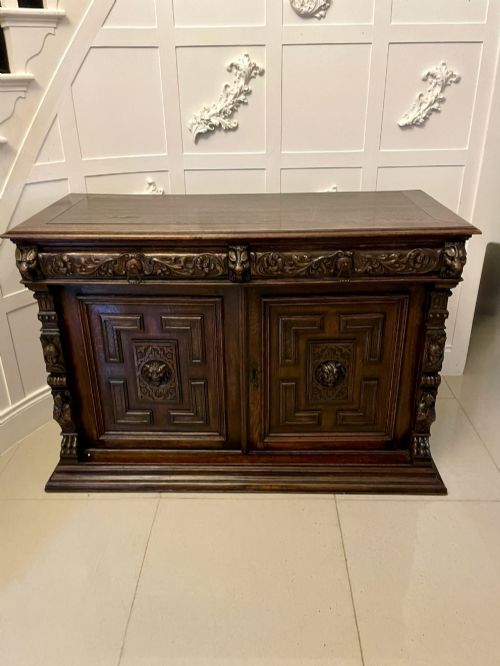
Green Man carvings peer out from unexpected panels, reminding viewers of older woodland folklore.
The Renaissance Oak Carving Glossary
- Linenfold
- A style of wood carving that imitates folded fabric, frequently seen on sixteenth-century panels. This treatment creates vertical ripples resembling stiffened cloth.
- High-relief
- A sculptural technique where figures and motifs project far from the background surface. This method adds dramatic shadow and depth to architectural panels and cabinet doors.
- Renaissance Revival
- A nineteenth-century artistic movement that imitated sixteenth-century forms and ornamentation. Makers during this period produced heavily carved sideboards, buffets, and armchairs.
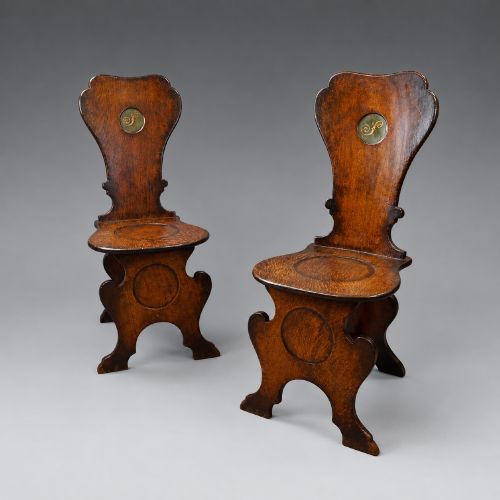
- Sgabello
- A type of Renaissance chair featuring a wooden seat, solid upright back, and trestle supports instead of legs. These narrow chairs stood in hallways for brief seating.
- Green Man
- A decorative architectural carving representing a human face surrounded by or sprouting foliage. This motif appears frequently across medieval and revival woodwork.
Renaissance Oak Carving: Frequently Asked Questions
How do I date a carved oak panel?
Dating relies on examining tool marks, timber shrinkage, and the style of the relief work. Sixteenth and seventeenth-century pieces typically display irregular hand-Adzed surfaces and deeper patination.
Nineteenth-century revival pieces often show mechanical saw marks and standardised joinery methods. Comparing the motif details to known period examples helps clarify the timeline.
Where should I place a heavy oak sideboard?
These substantial cabinets require a sturdy wall and adequate floor support due to their solid timber weight. Placing them away from direct heat sources prevents the oak from drying and splitting.
Positioning them in dining rooms or entrance halls allows the deep carvings and hardware to be viewed clearly.
Are wall panels meant for modern walls?
Architectural wall panels adapt well to modern interiors when mounted securely to wall studs. They add historical texture and focal depth to plain plaster surfaces.
Ensure the mounting brackets accommodate the weight of the solid oak without placing stress on the antique wood.
How do I maintain carved oak surfaces?
Maintenance involves dusting the recesses gently with a soft brush and applying a neutral beeswax sparingly. Avoid modern liquid polishes that build up sticky residues in the carved crevices.
Keeping the room at a stable humidity level protects the timber from expanding or contracting too quickly.