
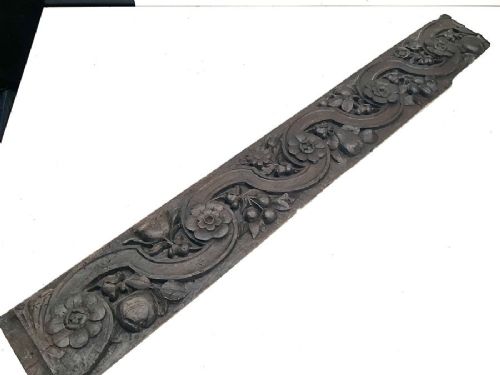


Elizabethan Carved Oak Panel
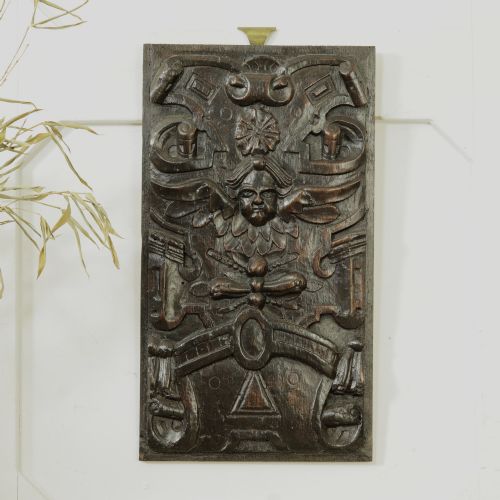
An elizabethan carved oak panel is a solid timber fragment bearing period relief work, sought after for immediate wall mounting or architectural integration.
Elizabethan Carved Oak Panel
An elizabethan carved oak panel brings sixteenth and seventeenth-century domestic interior decoration directly into a modern room. Buyers searching this phrase look for authentic timber wall reliefs, architectural salvage, and remnants integrated into cofferes, chests, and bed testers.
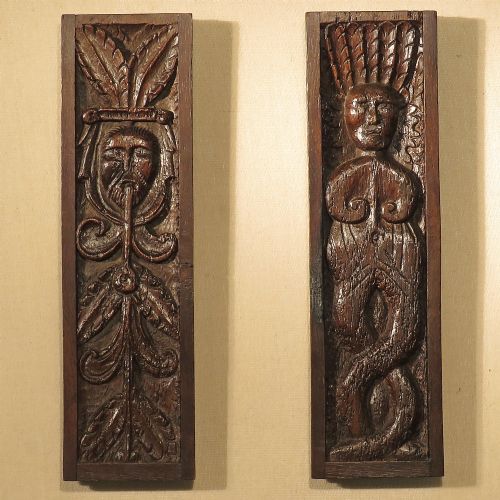
The pieces on this page span the sixteenth and seventeenth centuries, alongside revival interpretations from later eras such as nineteen-thirty. Forms range from standalone wall panels and relief carvings of figures like the Green Man to larger case furniture.
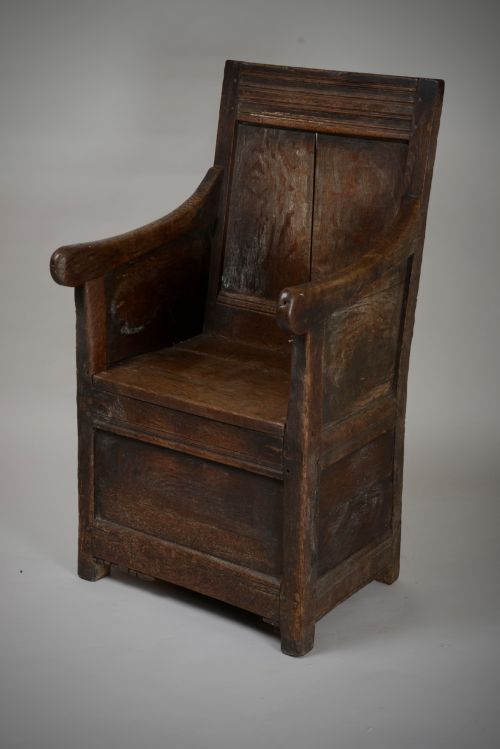
Originating predominantly from English workshops, these items utilise dense hardwoods shaped by hand. Collectors frequently encounter them mounted onto later backings or incorporated into functional furniture like box chairs and cradles.
How they were made
Maker-joiners constructed these items using solid oak, walnut, fruitwood, and timber frames secured with iron fixings. Panels were typically flat or raised, shaped by hand using gouges and chisels to achieve high-relief figurative or geometric designs.
Surface decoration relies entirely on deep carving rather than applied veneers, often featuring motifs from Renaissance and Tudor design vocabularies. Inlays of contrasting fruitwoods occasionally accent the primary oak structure, particularly on beds and coffers.
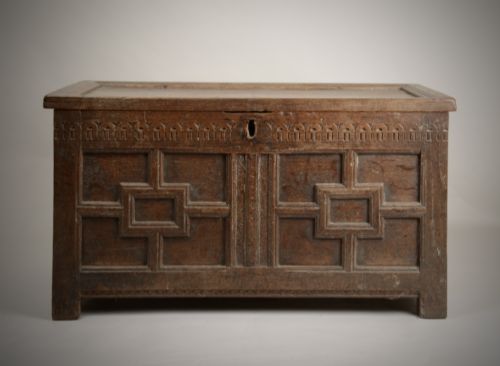
The inventory encompasses wall reliefs, coffers, armchairs, bookcases, four-poster beds, and cradles.
What varies in quality
Depth of carving and clarity of the chisel work separate standard architectural fragments from exceptional figurative pieces. Crisp detailing on faces, drapery, or specific iconography such as winged angels indicates superior workmanship from the period.
The integrity of the original timber and the extent of later restoration dictate the standing of each piece. Items retaining their early surfaces without excessive timber replacement hold greater appeal for serious collectors.
The Elizabethan Carved Oak Panel Glossary
- Relief
- Carving that projects from a flat background surface. High-relief indicates figures stand out significantly from the timber plane.
- Green Man
- A decorative architectural motif depicting a face made of or surrounded by leaves and vines. It appears frequently in early wood carving.
- Coffer
- A heavy wooden chest with a lid, traditionally used for storage. Many survive from the sixteenth century with carved front panels.
- Tester
- The flat wooden canopy or ceiling over a four-poster bed. These structures often incorporate extensive panel work and inlaid timber.
- Fruitwood
- Dense timber derived from fruit-bearing trees such as pear or apple. Makers utilised it for contrasting inlay work against darker oak.
Elizabethan Carved Oak Panel: Frequently Asked Questions
How were these panels originally used?
These panels functioned as structural elements within timber-framed buildings, church interiors, or upscale domestic furniture. They lined walls, formed cupboard doors, or decorated the headboards of large beds.
Over subsequent centuries, many panels were removed from their original contexts and mounted independently for display as wall art.
How do I hang a heavy oak panel?
Due to the substantial weight of dense sixteenth-century timber, secure wall fixing requires robust hardware anchored directly into masonry or wall studs. Professional framing or custom metal brackets provide safe support without damaging the antique wood.
Ensure the mounting method distributes the weight evenly across the structure of the panel.
How do I tell sixteenth-century oak from later revival pieces?
Early pieces display tool marks left by hand chisels, irregular grain patterns, and deep patination accumulated over centuries of exposure. Timber shrinkage, peg construction, and hand-forged iron elements also indicate period manufacture.
Revival items from periods like nineteen-thirty often show mechanical tooling, uniform surfaces, and construction methods consistent with twentieth-century cabinetmaking.
What is the best way to care for old oak?
Maintain stable humidity and temperature in the room to prevent the dry oak from splitting or warping. Avoid placing timber near direct heat sources or in prolonged direct sunlight.
Dust the surface gently with a dry cloth and avoid applying modern liquid polishes or waxes that can build up on the antique finish.
Can I use an antique coffer as a coffee table?
A sturdy antique coffer provides practical surface space and internal storage within a modern living area. The flat top accommodates books and decorative items while protecting contents stored inside.
Ensure the lid is stable and level before placing items on top of the chest.