



Gothic Oak Relief Panel
A gothic oak relief panel brings tangible history to a wall, offering carved figures and architectural motifs from centuries past.
Gothic Oak Relief Panel
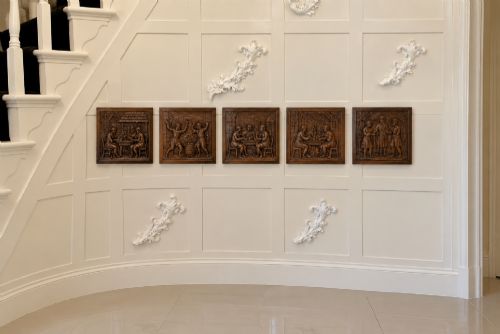
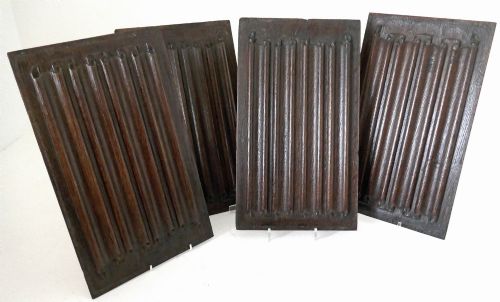
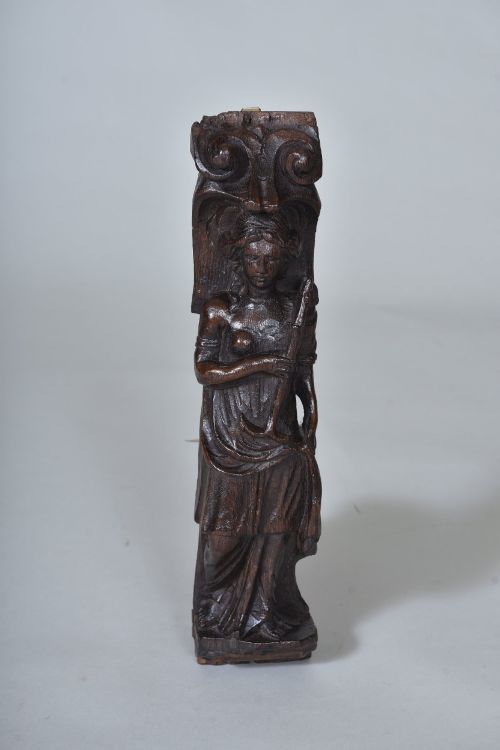
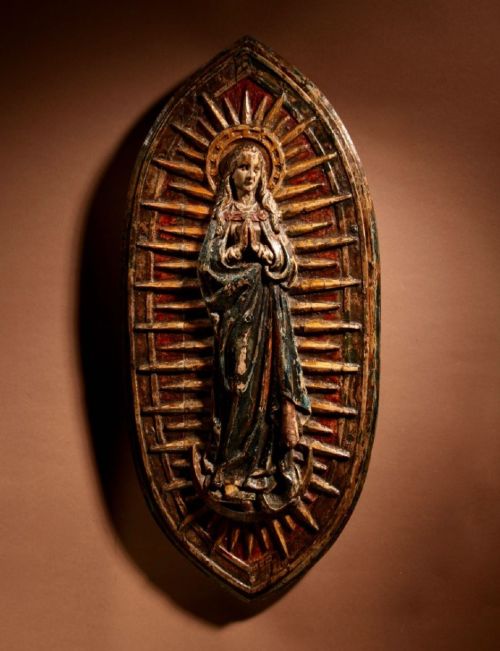
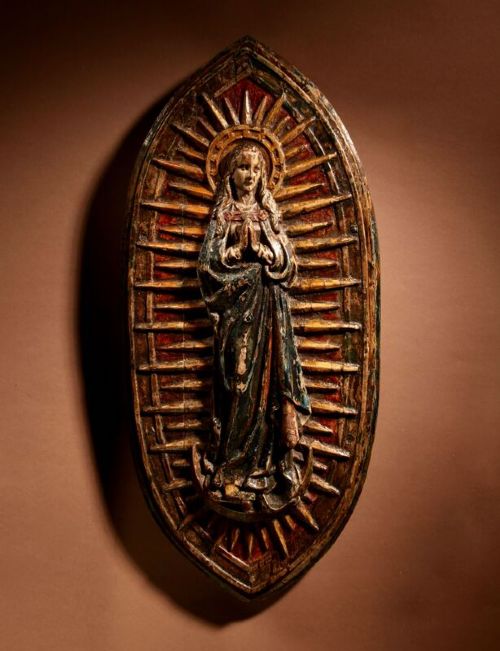
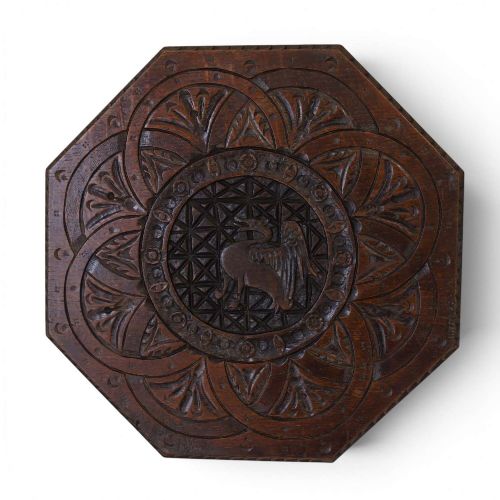
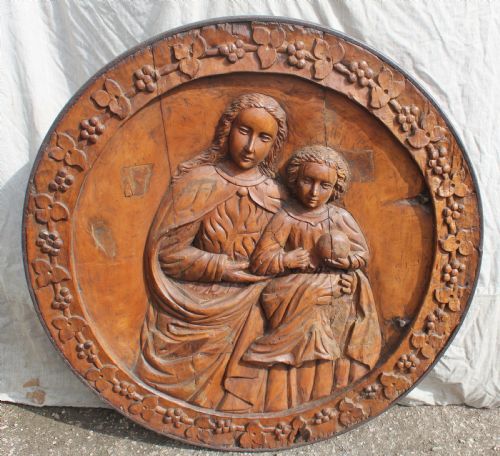
A gothic oak relief panel represents carved woodwork originating from ecclesiastical settings, domestic interiors, and repurposed furniture elements. These items materialise as wall plaques, ceiling bosses, and sculptural fragments depicting figures, linenfold patterns, and religious scenes.
The selections available span multiple centuries, ranging from pre-sixteenth century medieval carvings and sixteenth-century Flemish works to seventeenth-century pieces and nineteenth-century Gothic Revival interpretations.
Buyers encounter architectural salvage, altarpiece fragments, and former tabletop plaques constructed primarily from solid timber with occasional traces of original polychrome paint or gesso.
What varies in quality
Depth of carving and clarity of expression distinguish master carvers from standard workshop production, particularly in facial details, drapery folds, and figural proportions. The preservation of original surface treatments, such as early polychrome or natural aged patination, elevates the visual impact.
Structural integrity of the timber, the presence of original backing boards, and the extent of later alterations or repairs significantly influence the physical composition of each surviving artefact.
Surviving materials recorded on this page include oak, fruitwood, brass, gesso, gold leaf, and polychrome paint.
The Gothic Oak Relief Panel Glossary
- Linenfold
- A style of wood carving that imitates folded linen, commonly seen on sixteenth-century panels. This motif provides a symmetrical texture across rectangular timber surfaces.
- Ceiling Boss
- A decorative projecting block placed at the intersection of ceiling ribs. These carved wooden nodes frequently feature floral or figurative motifs.
- Polychrome
- The practice of decorating architectural elements and sculptures in a variety of colours. Pigments were often applied over a gesso ground on early carved wood.
- Gothic Revival
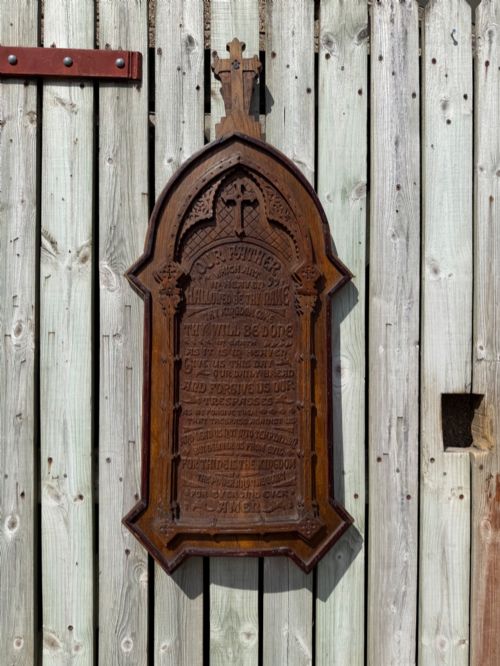
- An architectural and artistic movement originating in the nineteenth century that imitated medieval forms. Pugin design and ecclesiastical aesthetics typify this revival period.
- Architectural Salvage
- Building components recovered from demolished structures for reuse as decorative art. These fragments include wall panels and relief sculptures.
Gothic Oak Relief Panel: Frequently Asked Questions
Where were these panels originally placed?
Many panels originated inside churches as part of altarpieces, screens, or ceilings, depicting religious narratives and figures like the Virgin, angels, and Christ.
Others formed part of secular interior wall panelling and furniture within substantial Tudor and Jacobean residences.
How should I hang a heavy oak panel?
Solid oak panels possess significant weight and require secure fixing directly into wall studs or masonry using appropriate metal brackets and mirror plates.
Professional installation ensures the wooden backing supports the load safely without placing undue stress on historic joints.
How can I tell a sixteenth-century panel from a nineteenth-century copy?
Early pieces display tool marks, timber shrinkage, and hand-wrought joinery consistent with sixteenth-century construction methods and material age.
Nineteenth-century Gothic Revival interpretations often utilise machine-sawn timber elements or distinct stylistic proportions associated with later Victorian craftsmanship.
Did these carvings always have colour?
Numerous medieval and sixteenth-century carvings received applications of gesso, gold leaf, and polychrome paint to enhance figurative details.
Over the centuries, many surfaces lost their pigment through cleaning and wear, leaving bare oak patination.