

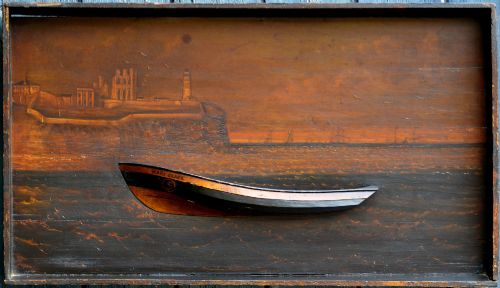
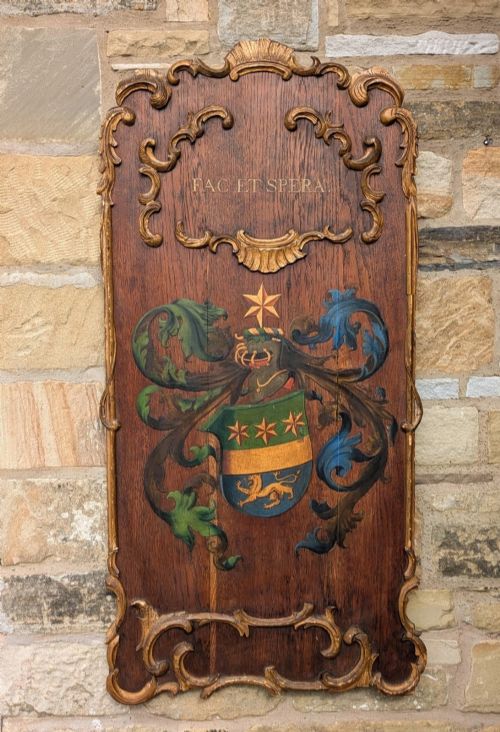
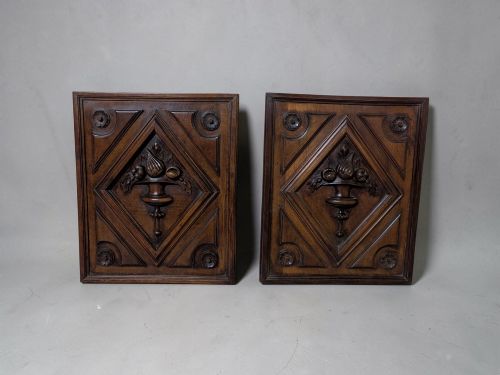
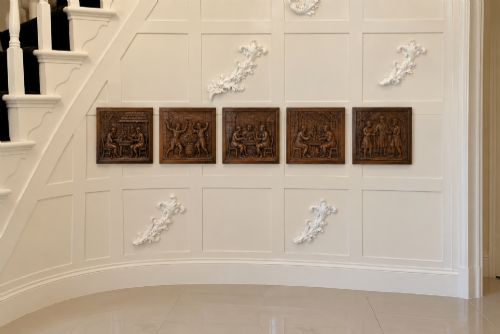
Carved Timber Wall Plaque
A carved timber wall plaque brings architectural depth and figurative drama directly onto a plain interior surface.
Carved Timber Wall Plaque
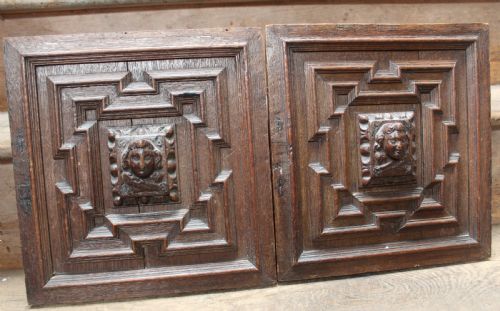
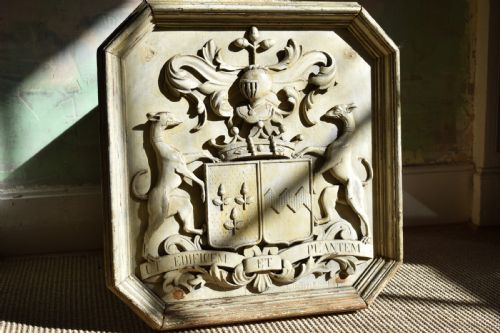
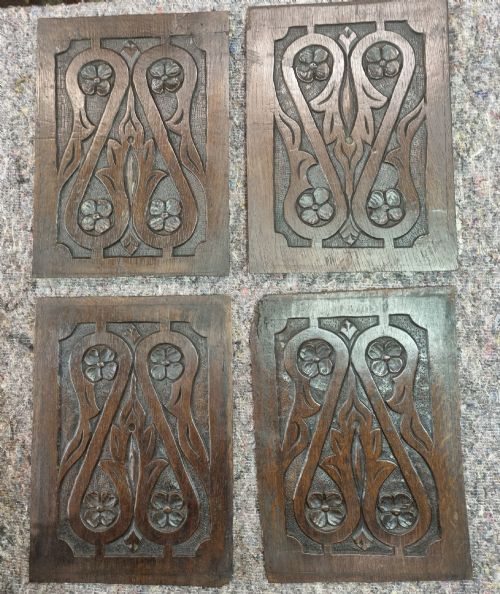
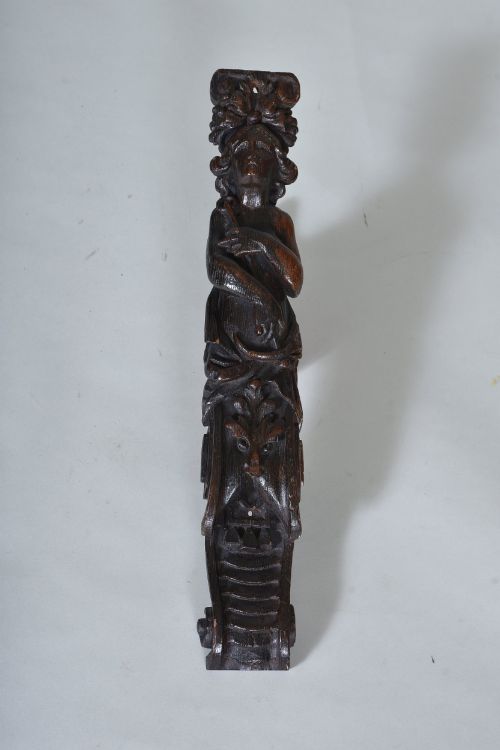
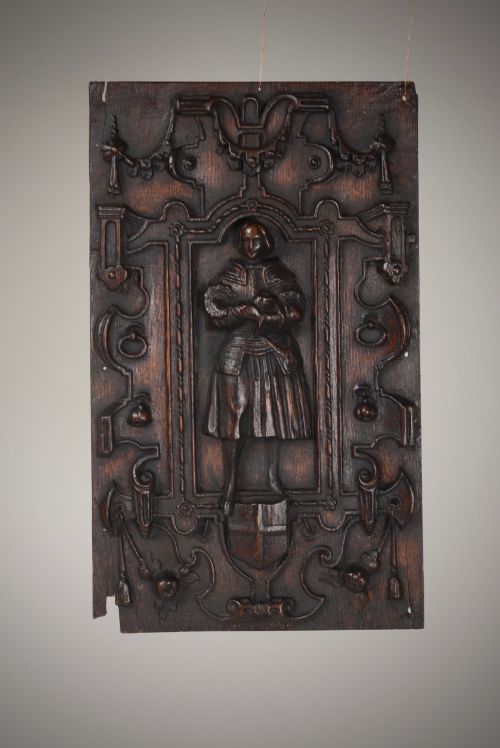
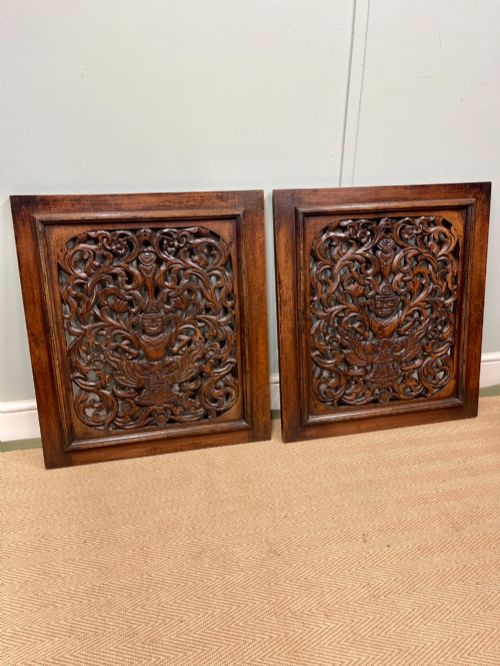
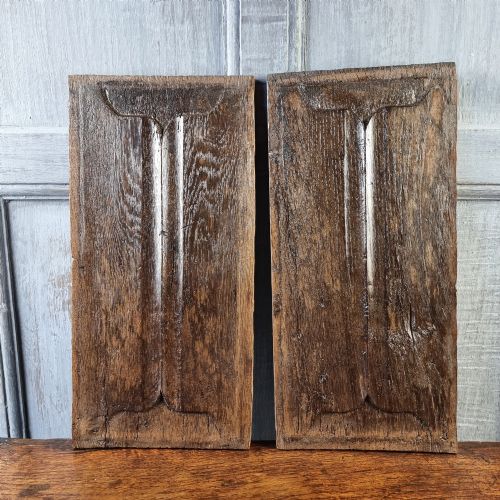
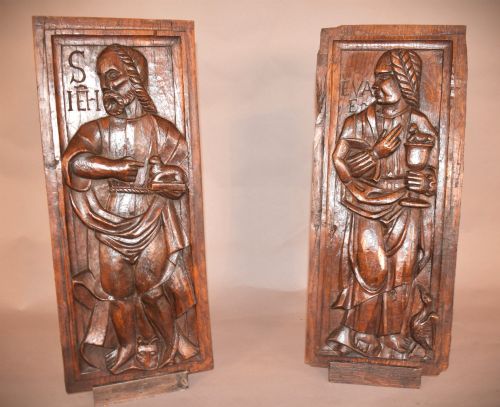
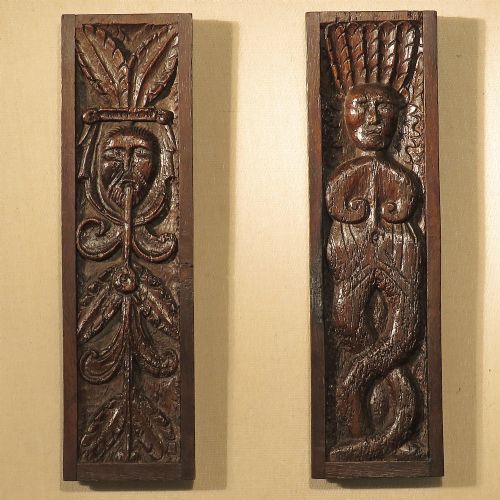
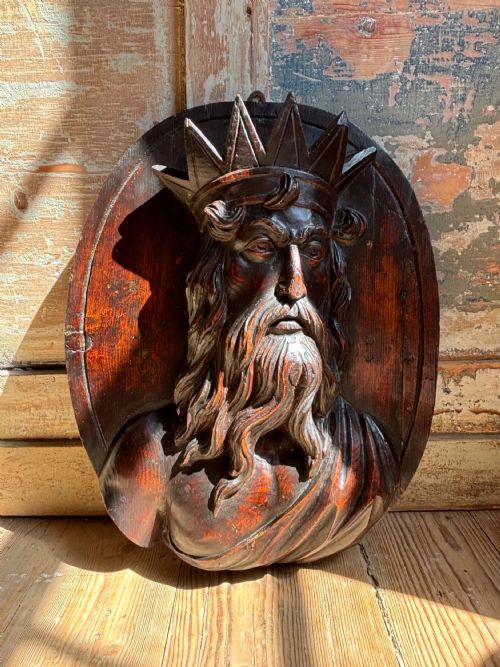
A carved timber wall plaque encompasses centuries of architectural salvage, relief carvings and sculptural panels designed to hang directly onto domestic walls. These pieces range from medieval linenfold designs to deep-relief hunting trophies, mythological depictions and figurative panels.
The version most commonly encountered on this page is the 17th-century oak panel or the 19th-century Black Forest animal carving, reflecting centuries of European and global woodworking traditions. Collectors find everything from religious icons and heraldic shields to foliate scrolls and festival panels.
These items function as focal points within a room, carrying the weight of past interiors, ecclesiastical spaces and vernacular architecture into modern settings.
Materials and construction methods
Makers primarily relied on dense domestic hardwoods such as oak, walnut, chestnut and fruitwood, which held sharp chisel edges and withstood centuries of environmental shift. Certain regional workshops also utilised softer imported timbers or applied polychrome paint directly onto the carved surface.
Execution relied on traditional hand tools, moving from rough blocking out with gouges to delicate undercut detailing with V-tools and chisels. Panels were frequently joined using mortise and tenon frames or carved from single solid timber boards.
Carved Timber Wall Plaque Retail Price Guide 2026
Typical asking prices for carved timber wall plaque among the pieces listed under this phrase on Sellingantiques today, from the lower quarter to the upper quarter. They describe what is for sale here now, not the wider market.
Oak and fruitwood dominate the European entries, while walnut, mahogany and various hardwoods represent continental and global workshops.
Assessing sculptural depth and execution
Compositional balance and the preservation of the original surface patination dictate the standing of a piece. Panels retaining early polychrome finishes or untouched historic wax surfaces command greater appreciation than those stripped or overly scrubbed by later hands.
The Carved Timber Wall Plaque Glossary
- Linenfold
- A style of relief carving imitating folded linen, popular on sixteenth-century panels. This geometric linen-like pattern gives flat timber surfaces a draped architectural rhythm.
- Polychrome
- Painted in several colours. This surface treatment adds pigment to the carved wood, frequently seen on older continental religious or figurative works.
- Acanthus
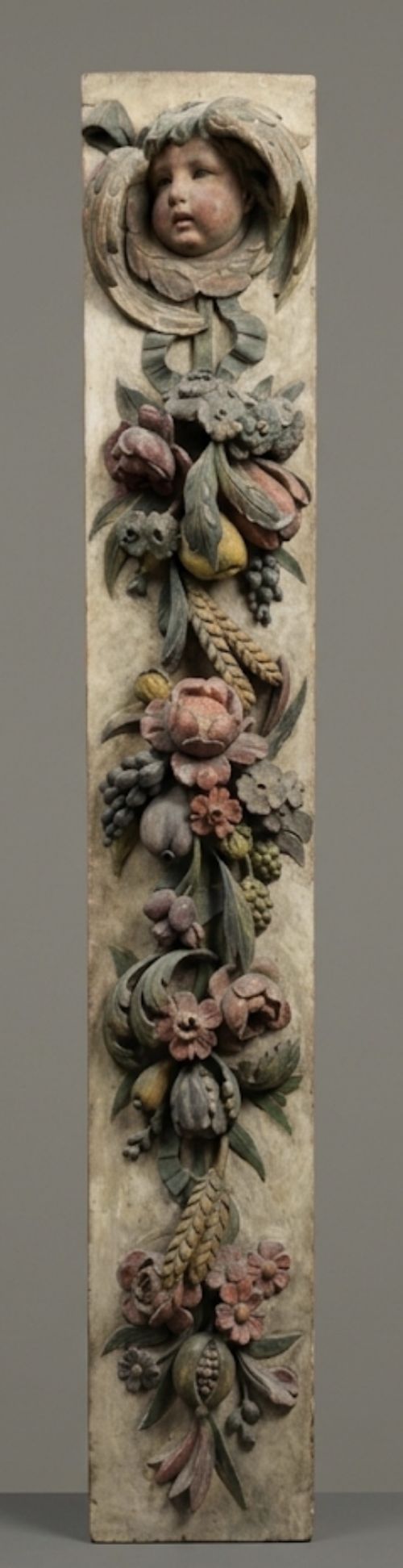
- A decorative motif based on the leaves of the acanthus plant, common in Baroque and Renaissance carving. The stylized foliage curls outwards in rich sculptural scrolls.
- Relief carving
- Sculpture in which figures project from a background plane. High relief projects significantly, while low relief stays closer to the flat surface.
- Architectural salvage
- Building elements removed from older structures for reuse or display. These fragments often find new life as decorative wall plaques.
Carved Timber Wall Plaque: Frequently Asked Questions
How do I hang a heavy carved timber plaque safely?
Heavy wooden panels require secure wall fixings, ideally screwed directly into wall studs or supported by a heavy-duty French cleat system. Because these timbers possess considerable weight, relying on standard picture wire is discouraged.
Ensure the mounting hardware engages with the internal framework or solid backing of the panel rather than relying solely on decorative surface elements that might shear under sustained tension.
What is a Black Forest carved plaque?
Black Forest carvings originate from the forested mountain region of central Europe, famous during the nineteenth century for producing highly realistic animal sculptures and hunting trophies. These pieces typically depict stags, dogs, birds of prey or foxes rendered with dramatic realism.
Such plaques frequently incorporate naturalistic oak leaves, acorns and rustic architectural framing suited to country houses and lodges.
How should I clean historic carved wood?
Dust accumulated within deep relief carvings is best removed gently using a soft, dry natural bristle brush or a clean artist's paintbrush. Avoid using wet cloths, modern cleaning sprays or polishes that can soften historic wax and trap dirt inside the grain.
Maintaining a stable indoor humidity prevents the timber from drying out, cracking, or separating at old glued joints.
How do I date an old carved wooden panel?
Dating relies on identifying the timber species, tool marks left by hand chisels, stylistic markers like linenfold or Baroque acanthus, and the natural oxidation of the wood. Seventeenth-century panels often show dark, dry oak surfaces with hand-adzed backs, while nineteenth-century works display greater mechanical uniformity or different softwood backings.
Examining the construction methods, nail types, and wear patterns helps place the object within its specific period of origin.