

Dark Oak Wall Plaque
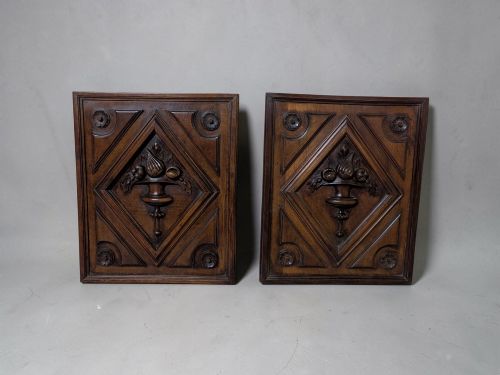
These dark oak wall plaque pieces bring centuries of timber relief carving, heraldry and architectural salvage straight into modern interiors.
Dark Oak Wall Plaque
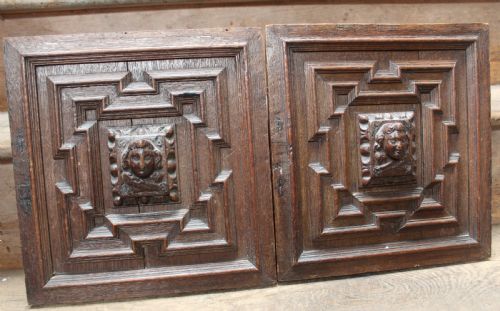
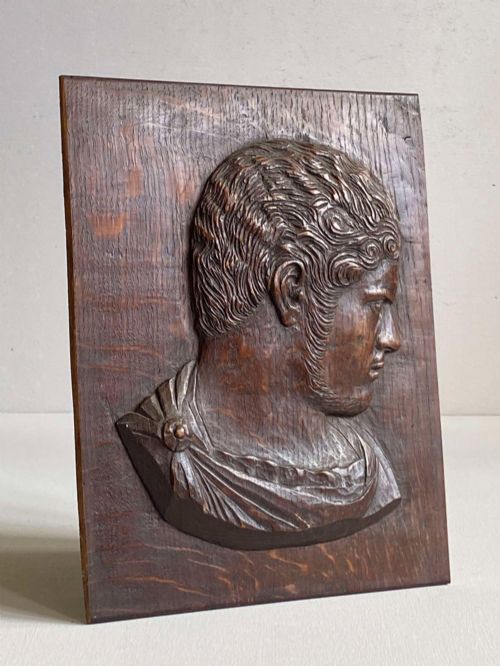
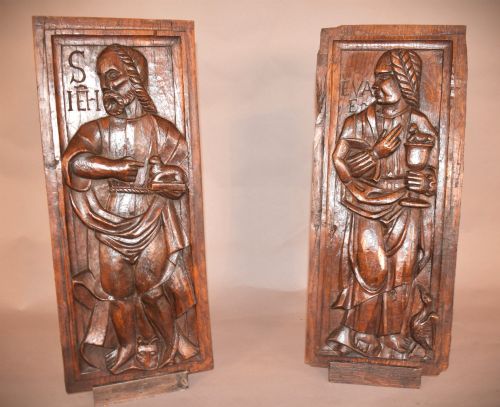
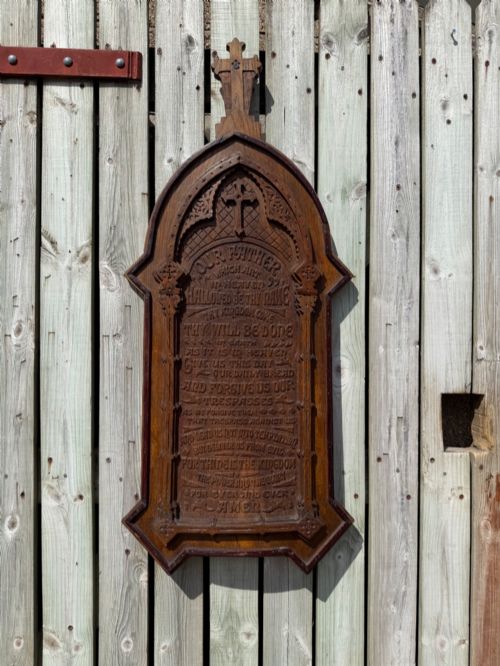
A dark oak wall plaque usually takes the form of a carved wooden panel, architectural fragment or relief sculpture designed to hang directly on a vertical surface. When searching for a dark oak wall plaque, buyers encounter everything from early domestic timber fragments to later revival works displaying deep relief work.
The material focus falls squarely on heavy timber, supplemented occasionally by metal, paint, glass, bone, horn and paper elements within mixed media compositions or taxidermy mounts. Most examples originate from British, Flemish or German workshops spanning the sixteenth century through to the Edwardian era.
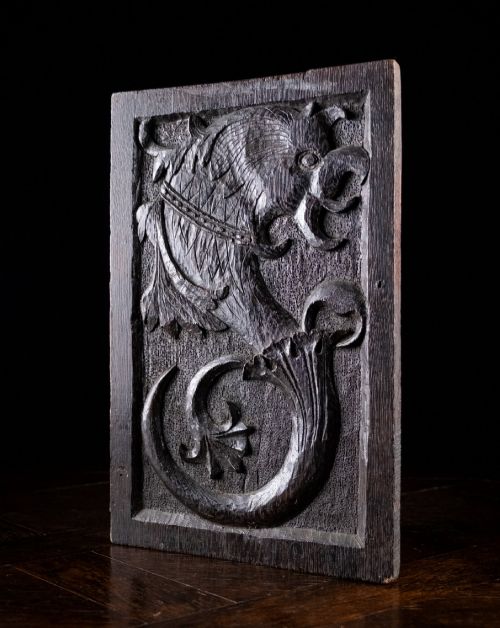
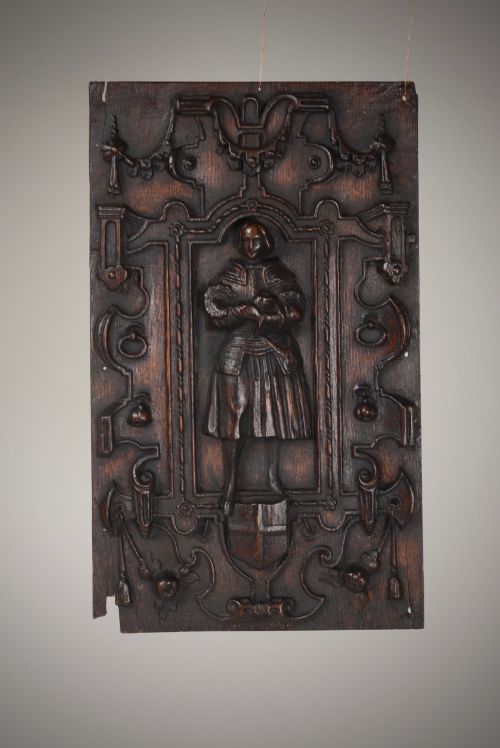
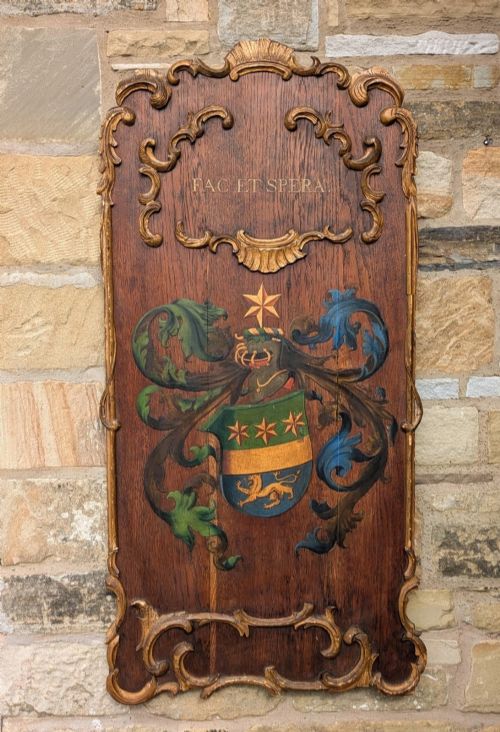
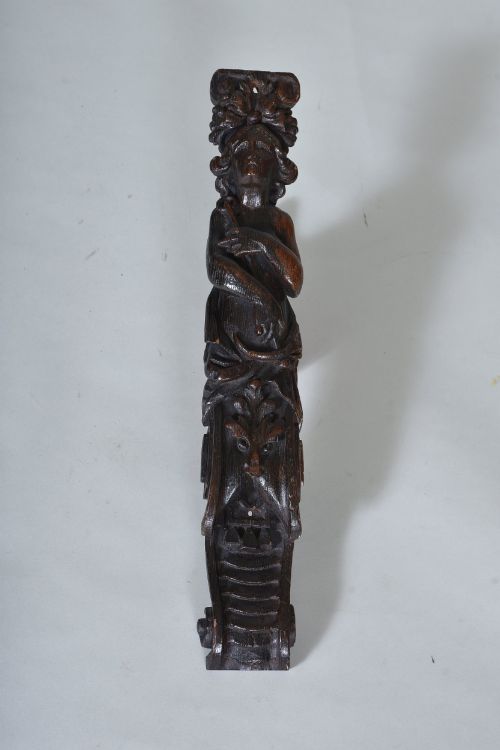
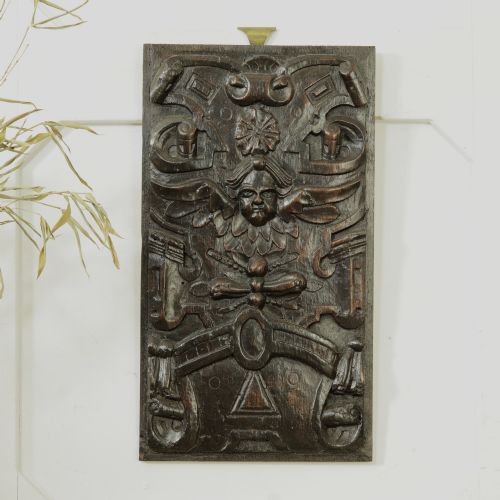
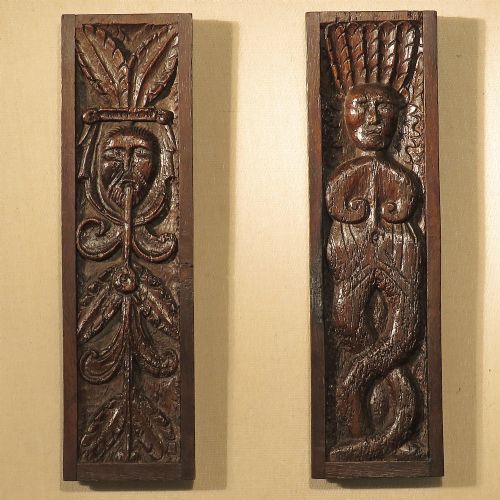
Common motifs range from religious inscriptions and classical allegories to heraldic shields, mythical creatures such as the Green Man, and hunting trophies. Pieces frequently originate from dismantled furniture, church interiors or architectural fittings repurposed over subsequent centuries for wall display.
Materials and Construction
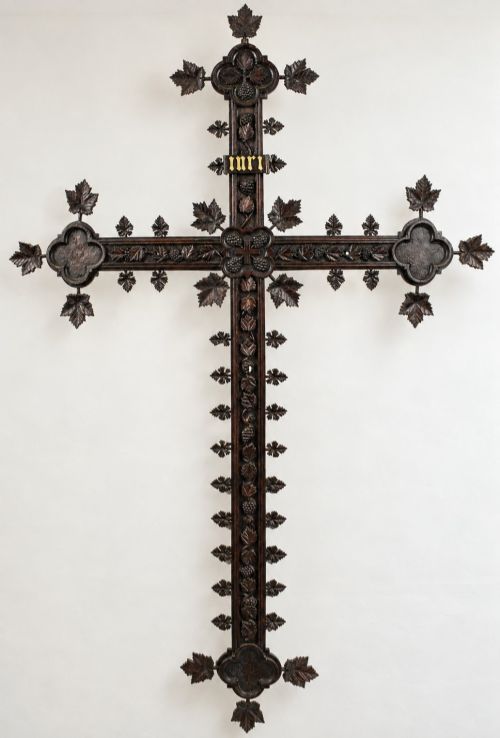
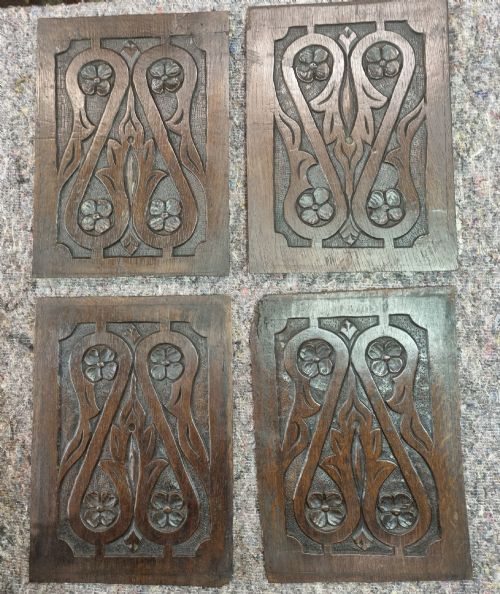
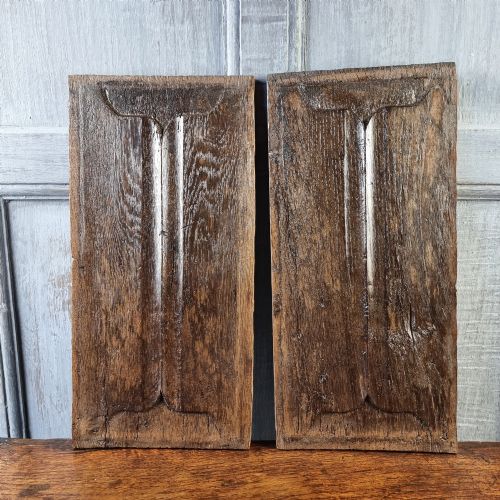
Makers utilised solid oak timber as the primary medium, selecting dense heartwood suited to intricate chiselling and deep relief cutting. Workshops combined hand-carving techniques with joinery methods typical of sixteenth-century linenfold panels, seventeenth-century baroque piercing, and nineteenth-century Gothic revival adaptations.
Surface finishes rely on natural ageing, applied dark waxes, and historic polish that accentuate the grain and deepen the colour over centuries of handling. Subsidiary components like bronze, horn, and painted paper appear in specific plaques, secured via historical mounting brackets or iron fixings.
Dark Oak Wall Plaque Retail Price Guide 2026
Typical asking prices for dark oak wall plaque among the pieces listed under this phrase on Sellingantiques today, from the lower quarter to the upper quarter. They describe what is for sale here now, not the wider market.
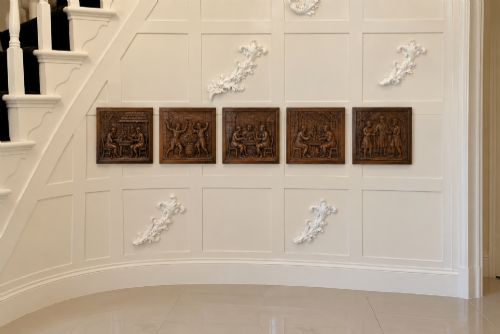
Among the timber panels, a nineteenth-century carving depicts a chicken thief caught in the act.
Judging Quality
Depth and crispness of the carving distinguish finer pieces, where the artisan maintains sharp undercutting in foliage, figures, and facial expressions. Superior execution displays clear command of proportion and drapery, particularly in high-relief allegorical scenes or detailed heraldic work.
The integrity of the timber ground and the proportional balance of the surviving fragment dictate desirability. Pieces retaining their original structural context, untouched patination, and coherent composition command greater appreciation among collectors.
Peter Spicer and Sons
The Dark Oak Wall Plaque Glossary
- Relief
- A sculptural technique where elements project from a flat background surface. High-relief carving shows figures standing far out from the timber plane.
- Linenfold
- A style of wood panelling carved to resemble folded vertical sheets of fabric. It is commonly found on sixteenth-century architectural fragments.
- Acanthus
- A decorative leaf motif derived from Mediterranean flora. Baroque carvers utilised this scrolling foliage extensively in deep pierced borders.
- Armorial
- Relating to heraldry, family crests, or coats of arms. These plaques often identify specific historical lineages or institutions.
- Green Man
- A sculptural face carved from foliage or branches. This pagan motif appears frequently on early oak panels and architectural salvage.
Dark Oak Wall Plaque: Frequently Asked Questions
How were these wooden plaques originally used?
Many examples originated as structural wall panels, church furnishings, cabinet doors, or protective armorial displays before being adapted for hanging.
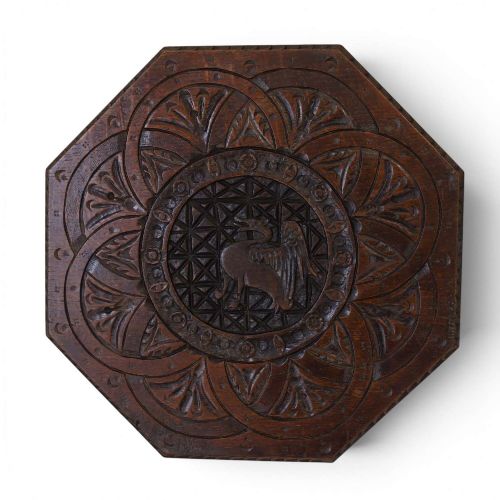
Over later periods, owners converted tabletops, book covers, and architectural salvage into decorative wall art.
What periods do these timber wall carvings cover?
The selection spans from sixteenth-century primitive and linenfold pieces through seventeenth-century baroque and Jacobean panels.
Later Victorian, Edwardian, and early twentieth-century revivals also contribute significant architectural fragments and heraldic shields.
How should I hang a heavy timber wall plaque?
Due to the substantial weight of dense oak and integrated metal brackets, secure direct fixings into wall studs or masonry.
Ensure the hanging wire or integrated mounting plates can support the specific gauge of the timber panel.
How do I care for dark antique oak?
Maintain stable indoor humidity away from direct heat sources to prevent the timber from splitting or warping.
Apply a microcrystalline wax sparingly to nourish the dry surface without obscuring the historic patina.