


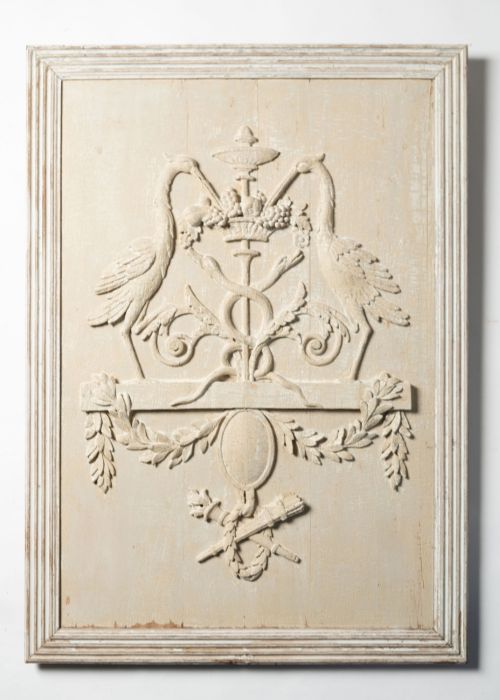
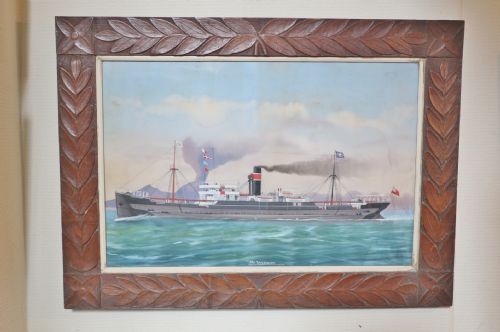
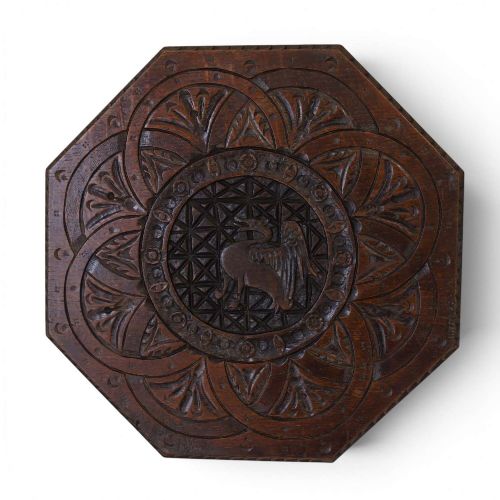
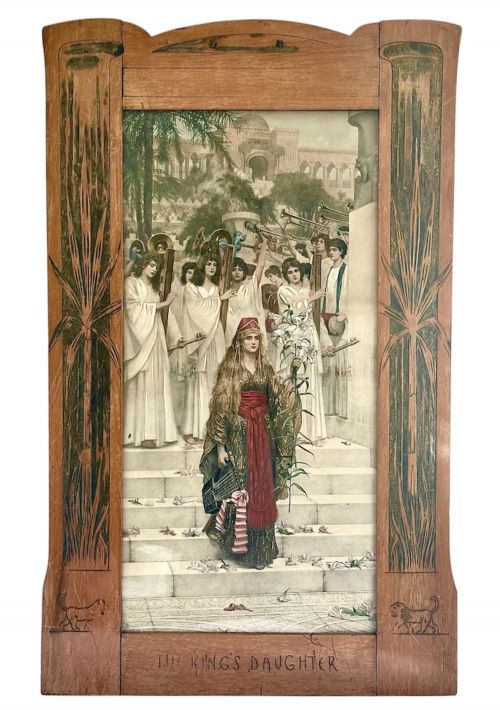

Carved Oak Wall Art
Carved oak wall art encompasses panels, mirrors and cupboards hewn from timber across several centuries for interior display.
Carved Oak Wall Art
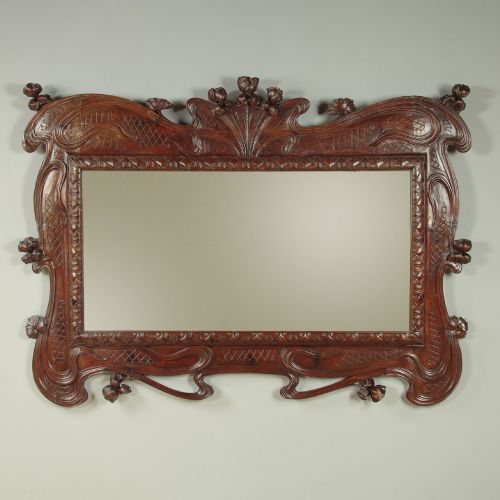
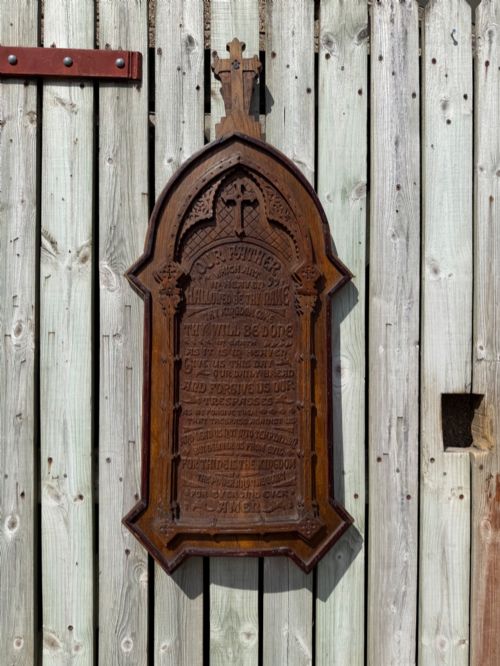
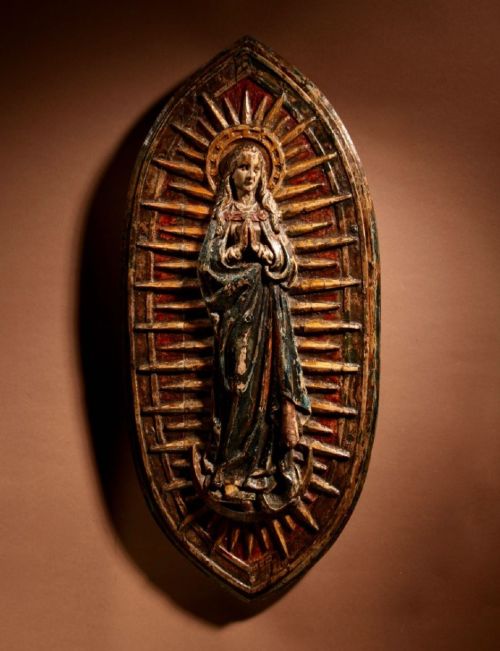
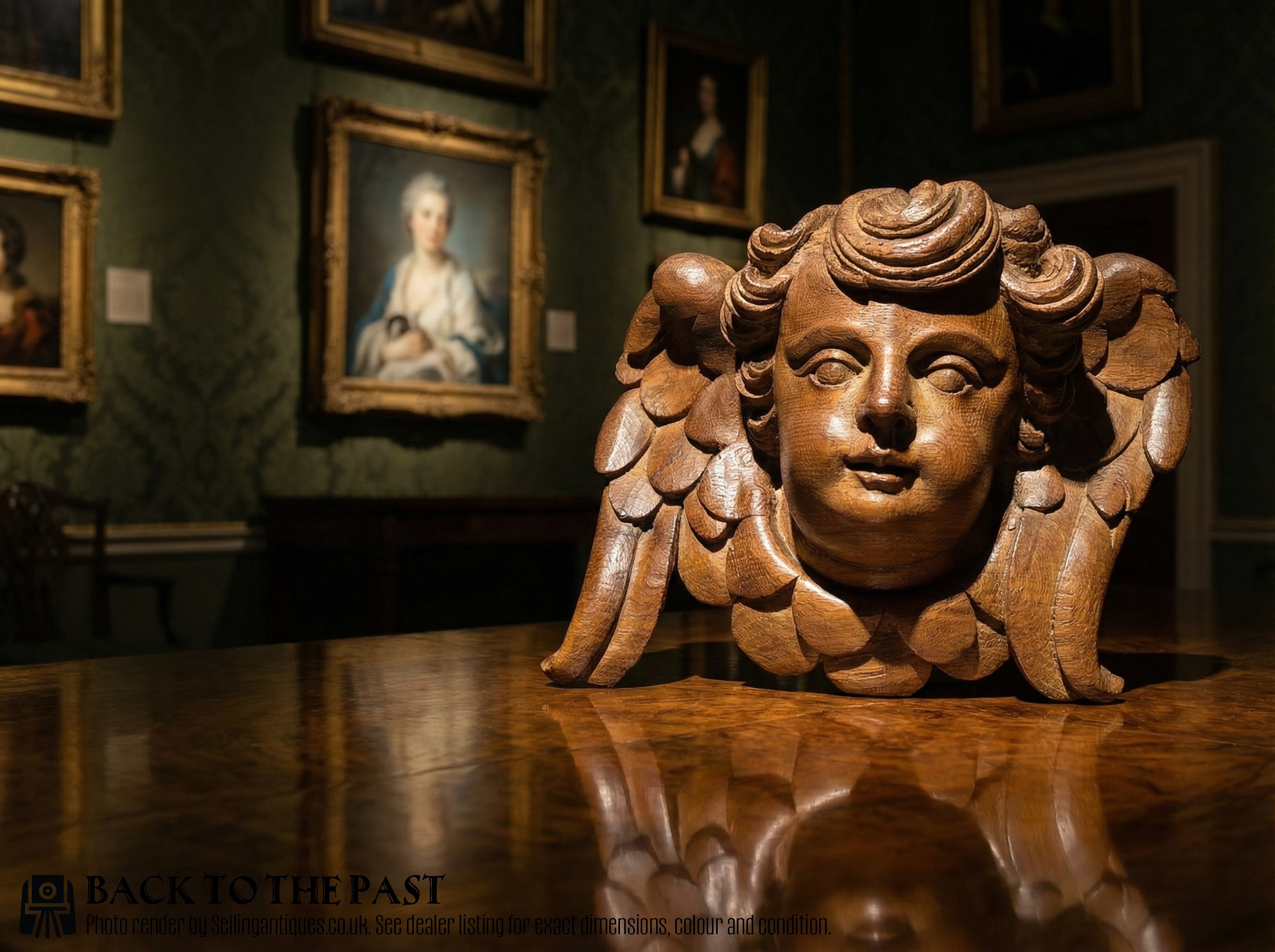
Carved oak wall art spans architectural salvage, mirrors, cabinets and framed plaques originating from the seventeenth to the twentieth century. These pieces bring heavy timber texture and manual relief work directly onto wall surfaces through functional objects and decorative panels.
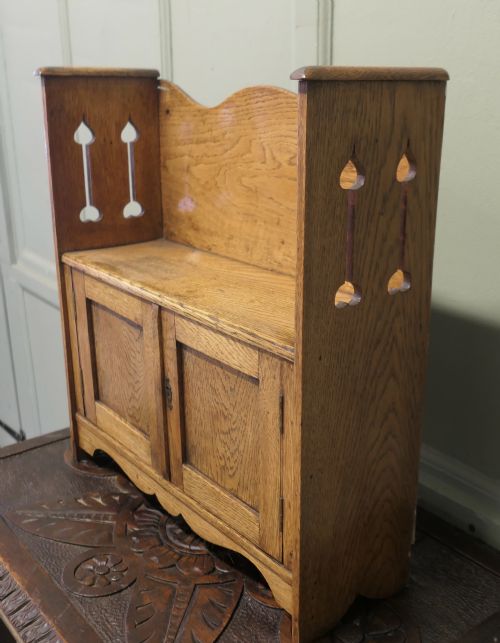
The selection here draws heavily upon domestic items from the Victorian, Edwardian and Arts and Crafts periods alongside earlier continental panels. Cabinets, mirrors and framed prints or mirrors dominate the forms encountered.
Materials and methods
Makers utilised solid oak alongside supporting timbers, shaping the wood with chisels, gouges and hand planes to create chip carving, relief figures and pierced ornamentation. Glass, brass fittings, paper prints and painted details frequently supplement the timber frames and backing boards.
Construction methods range from joined cabinetwork with pegged mortise and tenon joints to simple applied mouldings on repurposed architectural elements and tabletops.
Carved Oak Wall Art Retail Price Guide 2026
Typical asking prices for carved oak wall art among the pieces listed under this phrase on Sellingantiques today, from the lower quarter to the upper quarter. They describe what is for sale here now, not the wider market.
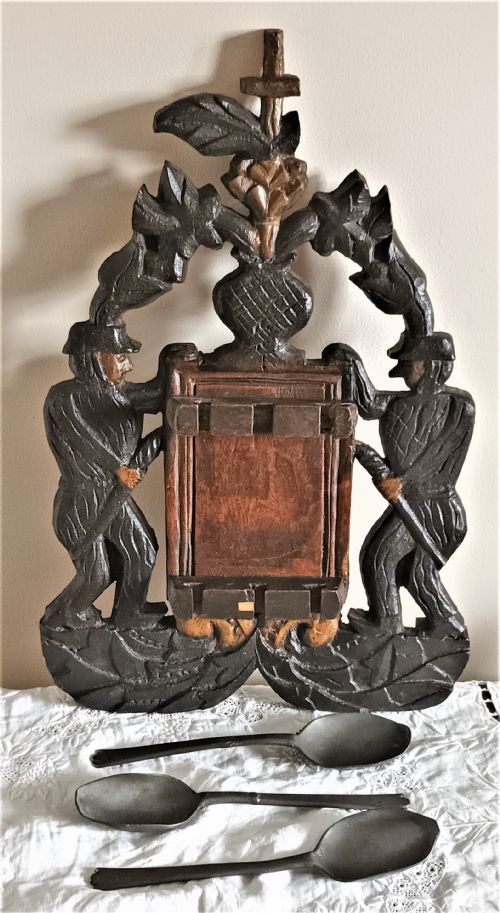
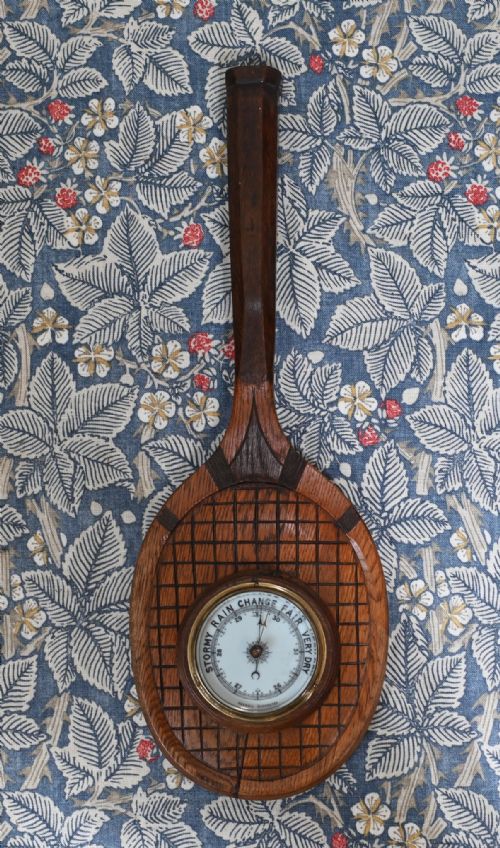
A tennis racquet club barometer shares wall space with centuries-old depictions of saints and carved dragons.
Judging the work
Quality rests upon the crispness and depth of the hand carving, where confident tool marks and well-proportioned relief figures distinguish superior workshops from routine production. The choice of timber grain and the integrity of original joints also separate standard domestic items from pieces of higher ambition.
John Moyr Smith·Liberty and Co·Rowley Gallery·Herbert Gustave Schmaltz·Edward Pearce
The Carved Oak Wall Art Glossary
- Chip carved
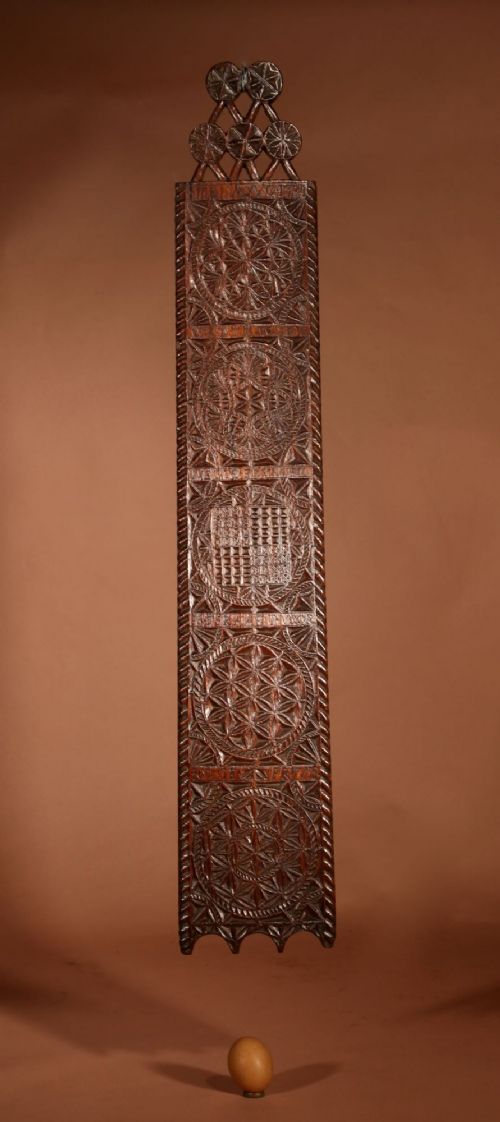
- A method of removing small triangles of wood from a flat surface to form geometric patterns. This technique appears on domestic utilitarian boards and cabinets.
- Overmantel
- A large decorative mirror or framed panel designed to hang specifically above a fireplace mantel. These pieces often feature extensive carved ornamentation.
- Stumpwork
- A raised form of embroidery using padded stitches on a fabric ground, frequently seen mounted in period frames. It creates a three-dimensional pictorial surface.
- Mangle board
- A long wooden board used historically in northern Europe for pressing linen by wrapping fabric around a roller. They frequently display intricate relief carving, dates and initials.
- Aesthetic Movement
- A late nineteenth-century design style focusing on visual beauty rather than narrative or moral function. Cabinets and mirrors from this movement display stylised natural motifs.
Carved Oak Wall Art: Frequently Asked Questions
How do I hang a heavy carved oak panel?
Heavy carved oak items require sturdy steel fixings screwed directly into wall studs or masonry anchors rather than standard plasterboard hooks. Ensure the weight is distributed evenly across brackets supporting the lower frame or integrated hanging loops.
Check that any internal timber movement from humidity changes has not loosened existing hanging hardware on the reverse before mounting.
How do I clean carved oak surfaces?
Dust intricate carvings gently using a soft-bristled brush to lift accumulated particles from deep recesses without abrading the timber. Avoid liquid polishes and wet cloths which can darken dry historic wood and damage aged finishes.
Apply a microcrystalline wax sparingly if the timber appears dry, buffing gently after application to maintain a soft sheen.
How do I date carved oak wall art?
Examine the tool marks, joint construction and fastener types visible on the reverse of the panel or frame to establish the period of manufacture. Machine-sawn boards and modern screws indicate later nineteenth or twentieth-century production, while pit-sawn timber and hand-forged nails point earlier.
Stylistic indicators such as Arts and Crafts lettering or Art Nouveau plant motifs help narrow down the decade of creation.
Were these pieces always intended for walls?
Many items designed as wall art began their existence in other contexts, including architectural elements salvaged from buildings, former furniture tabletops and linen mangle boards. These objects were adapted for interior display as decorative panels once their original utilitarian purpose ended.
Purpose-built wall cabinets and mirrors were constructed with hanging brackets from the outset.