
Antique Wooden Panel
An antique wooden panel carries the grain and marks of past centuries, offering a tangible connection to historical craftsmanship.
Antique Wooden Panel
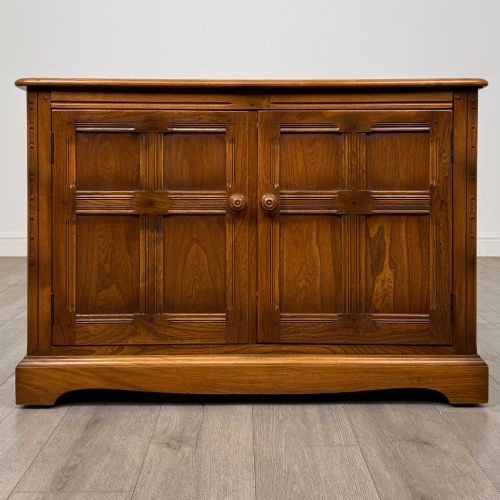
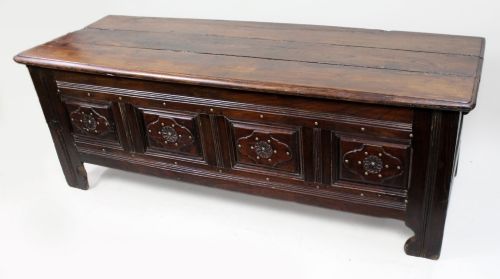
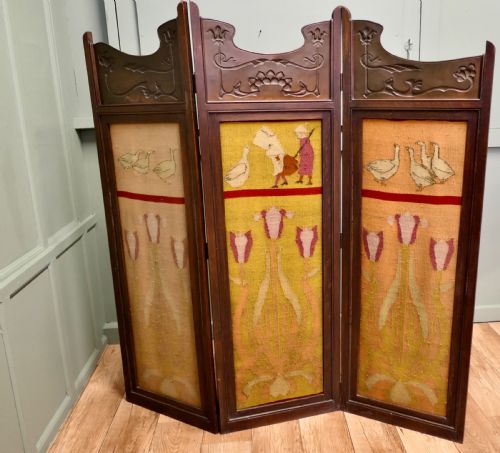
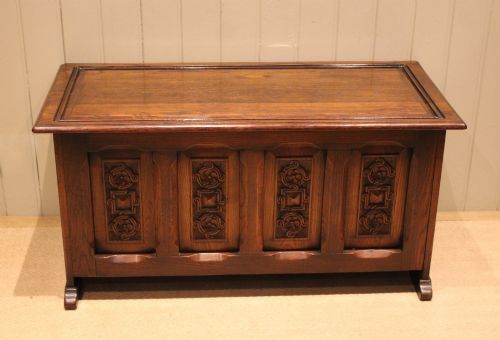
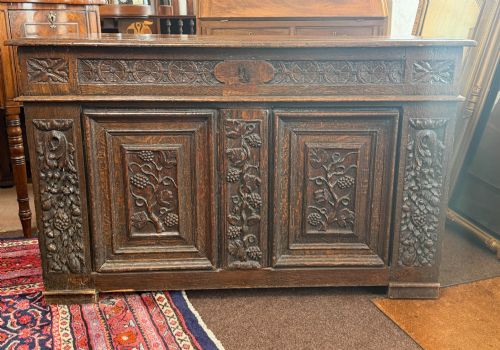
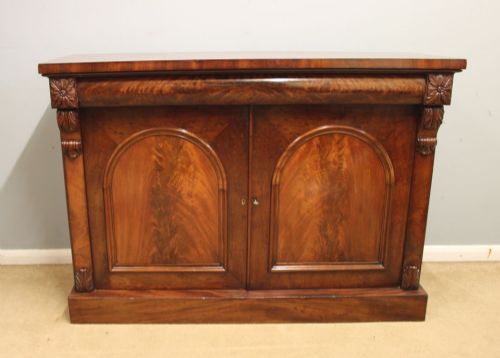
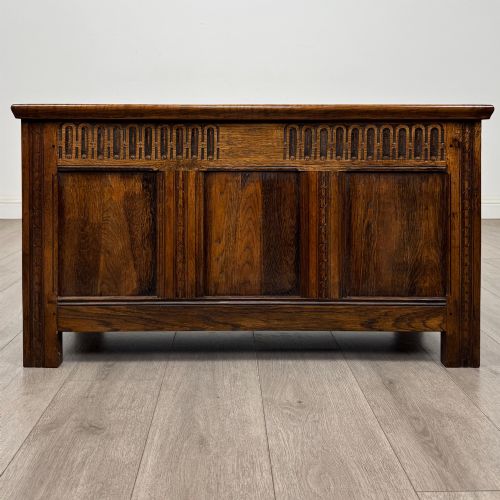
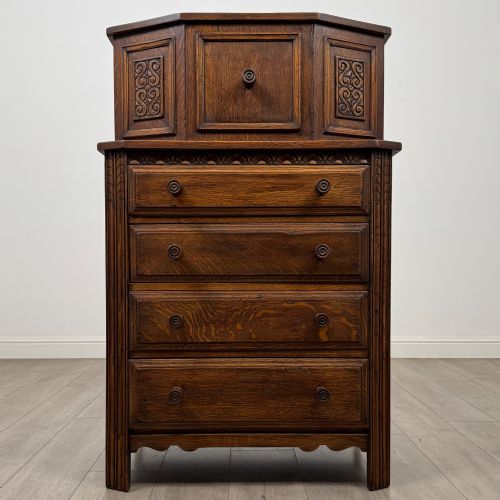
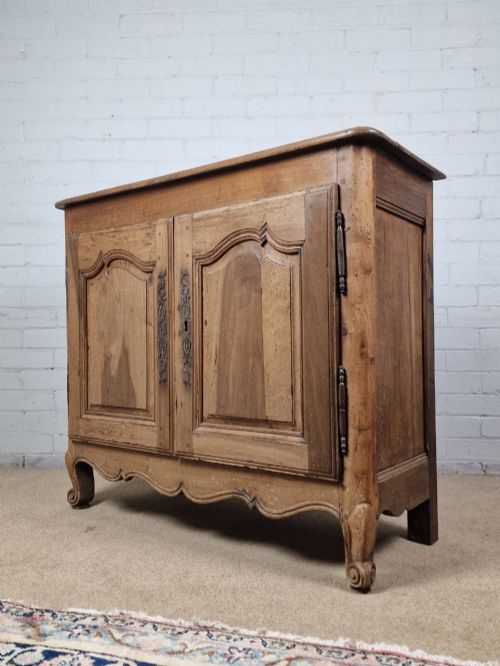
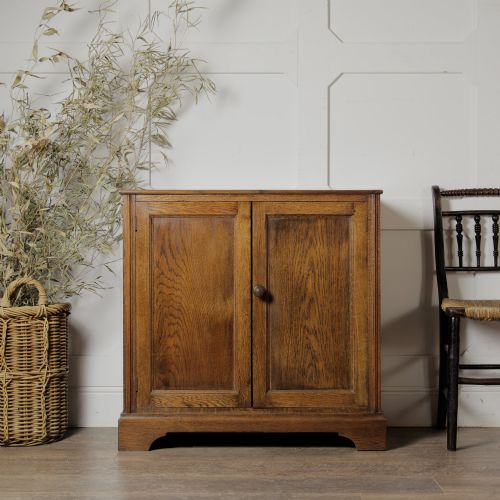
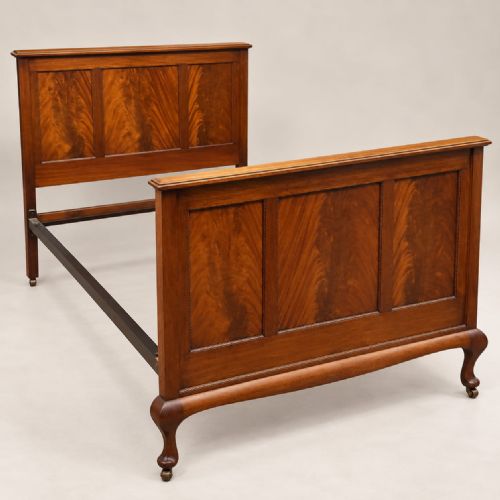
When you search for an antique wooden panel, you encounter fragments of architecture, furniture components, and independent works created across multiple centuries. The selection spans structural elements from seventeenth-century chests and coffers to decorative painted pine panels and nineteenth-century oil paintings executed directly on wood supports.
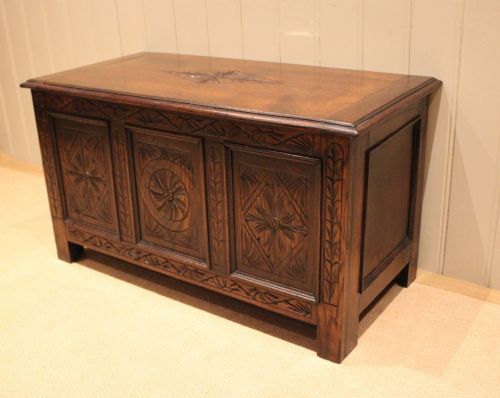
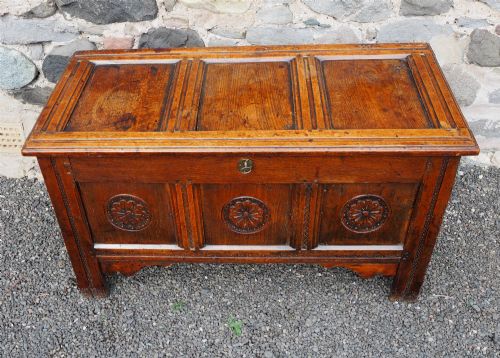
Most items you meet on this page originate from domestic furniture, such as carved oak coffer lids and fronts, or function as pictorial panels framed for display. These pieces demonstrate how timber served as a primary canvas and structural medium before the dominance of manufactured sheet materials.
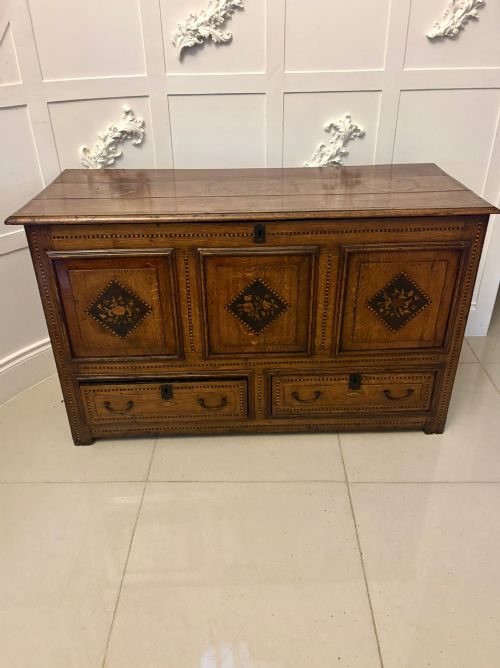
Originating largely from British and continental European workshops, these panels show the wear of domestic use, ranging from simple country pine to heavily carved seventeenth-century oak and elaborate eighteenth-century marquetry.
How they were made
Makers shaped these panels using solid hardwoods like oak and mahogany, alongside softer timbers such as pine, employing hand-riving and sawing techniques that left distinct tool marks across the reverse. Timber was seasoned naturally, allowing the grain to stabilize before carvers and joiners applied their skills.
Surface ornamentation combined deep relief carving, marquetry inlay, and oil-based pigments applied directly to the prepared wood grain. Joinery relied on tongue-and-groove or framed panels designed to accommodate seasonal expansion and contraction without splitting.
Antique Wooden Panel Retail Price Guide 2026
Typical asking prices for wooden panel among the pieces listed under this phrase on Sellingantiques today, from the lower quarter to the upper quarter. They describe what is for sale here now, not the wider market.
The listings here feature items constructed from oak, mahogany, pine, and brass, spanning the seventeenth century through to the Edwardian era.
What varies in quality
The distinction between ordinary and superior pieces rests on the crispness of the carving and the selection of the timber. Dense, quarter-sawn oak displaying prominent medullary rays indicates superior material selection compared to plain-sawn boards.
Originality of surface and assembly defines the upper tier of the range, where untouched patination and period fixings remain intact. Lesser examples often show excessive later trimming, aggressive cleaning, or replacement of structural backing components.
J Brooke·John Crome·William J J C Bond·Joseph L Pickering RBA ROI·John Falconer Slater·Charles Désiré Hue
The Antique Wooden Panel Glossary
- Coffer
- A large wooden chest used for storage, typically constructed from solid oak with framed panels.
- Marquetry
- Decorative inlay work using various coloured wood veneers to create pictorial or geometric patterns.
- Quarter-sawn
- Timber cut radially from the growth rings, producing a stable board with distinct decorative figuring.
- Patina
- The surface sheen and coloration developed through decades of handling, polishing, and natural ageing.
- Settle
- A wooden bench featuring high backrests, solid armrests, and frequently a box compartment beneath the seat.
Antique Wooden Panel: Frequently Asked Questions
How were antique wooden panels used?
These panels served structural and decorative roles in historic interiors, functioning as cupboard doors, chest walls, and architectural wall panelling. Artists also utilised prepared timber boards as a rigid foundation for oil paintings.
Over time, many surviving panels were detached from their original furniture or buildings and framed as independent decorative objects for display.
How do I care for wooden panels?
Maintain stable indoor humidity and temperature levels to prevent the timber from drying out, warping, or cracking along the grain. Avoid placing panels near direct heat sources or in prolonged direct sunlight.
Apply a light application of microcrystalline wax periodically to nourish the surface and protect the historic finish without attracting dust.
How can I tell the period of a panel?
Examine the tool marks on the reverse and edges, as hand-adzed and pit-sawn timbers indicate earlier seventeenth and eighteenth-century origins. Joinery methods, such as pegged mortise and tenon frames, also reflect the manufacturing techniques of specific eras.
Compare the carving styles and motifs, such as Jacobean strapwork or nineteenth-century vernacular painting, against documented examples from the same region.
What is the difference between oak and pine panels?
Oak panels typically date from earlier centuries, exhibiting a dense weight, deep grain, and frequent use in substantial furniture like coffers and settles. Pine panels often appear in later vernacular works, decorative painted schemes, and regional folk art.
While oak was valued for its structural strength and durability, pine provided a smoother, lighter surface suited for detailed painted decoration.