
Swiss Black Forest Carving
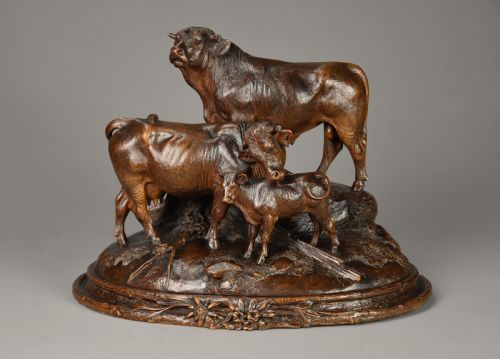
These swiss black forest carving pieces bring the wild Alpine fauna into the room through animated wooden bears, birds and cattle groups.
Swiss Black Forest Carving
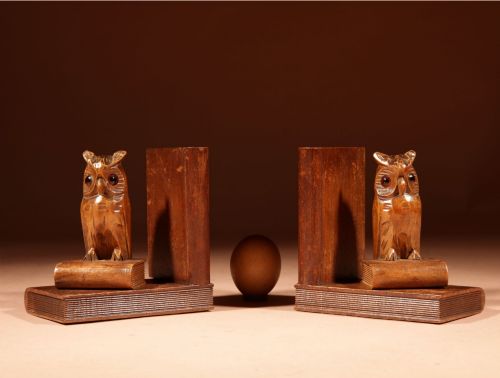
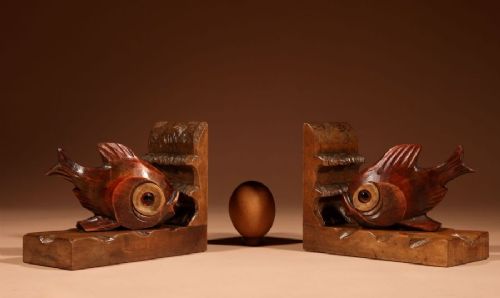
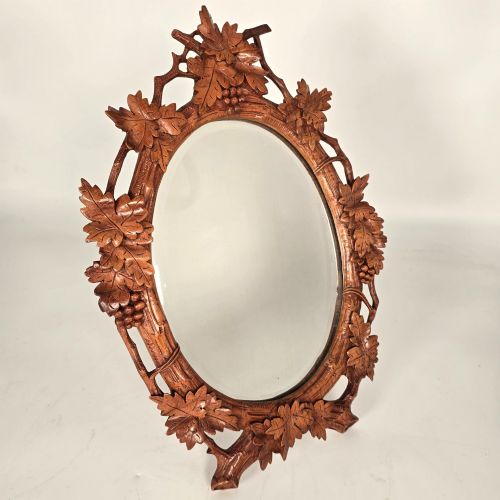
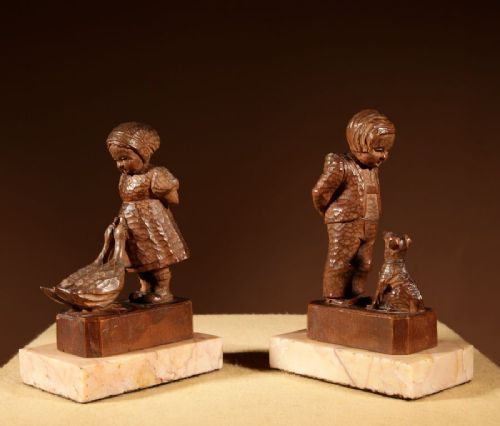
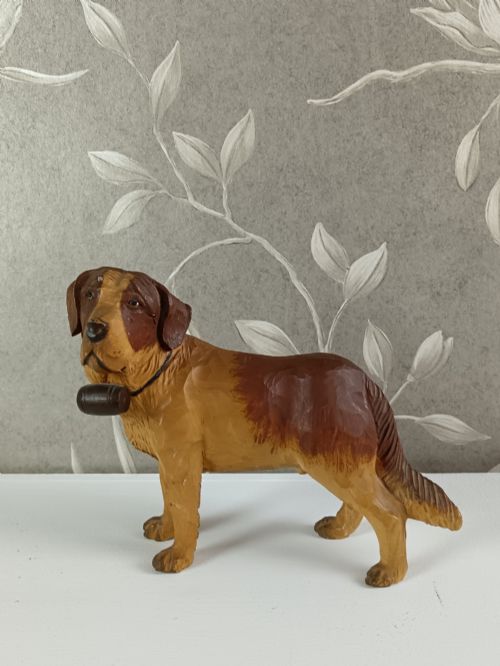
When you search for swiss black forest carving, you encounter intricately whittled wooden animals, functional hall stands, bookends and mirrors originating from the nineteenth and early twentieth centuries.
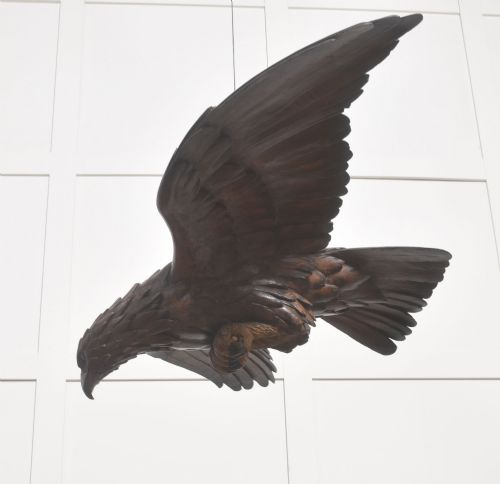
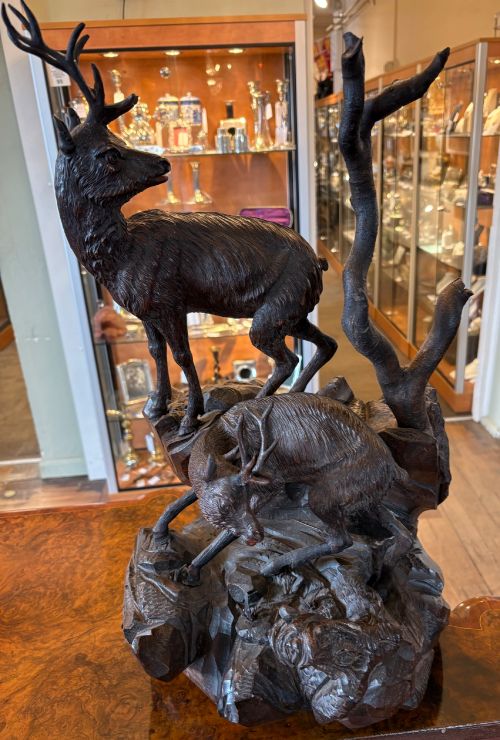
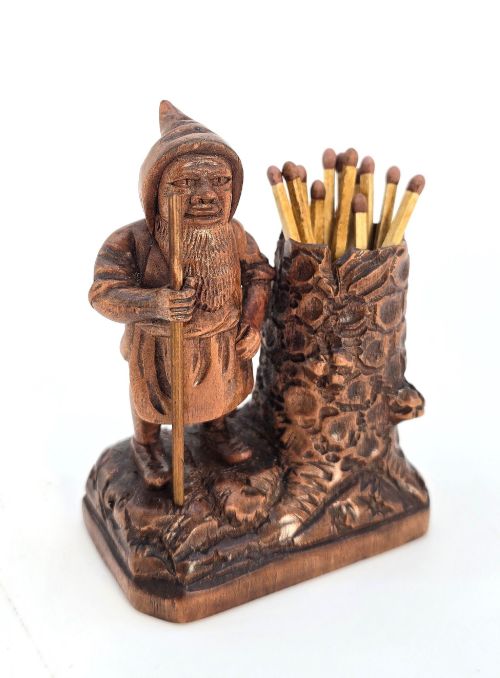
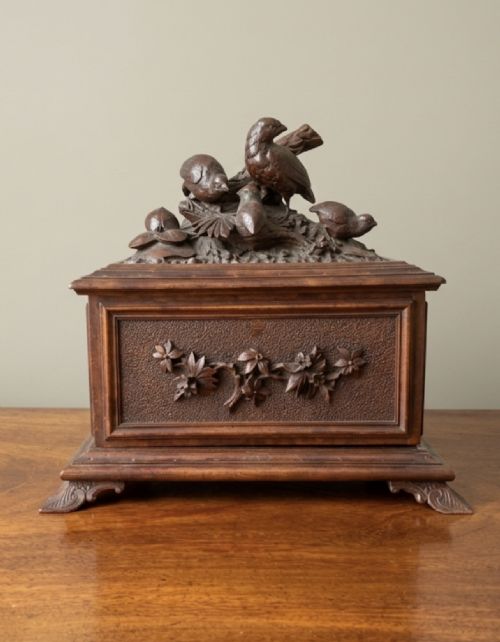
The objects span domestic items like nutcrackers, match holders and tobacco jars alongside large animal sculptures and wall mirrors depicting bears, owls, eagles and deer.
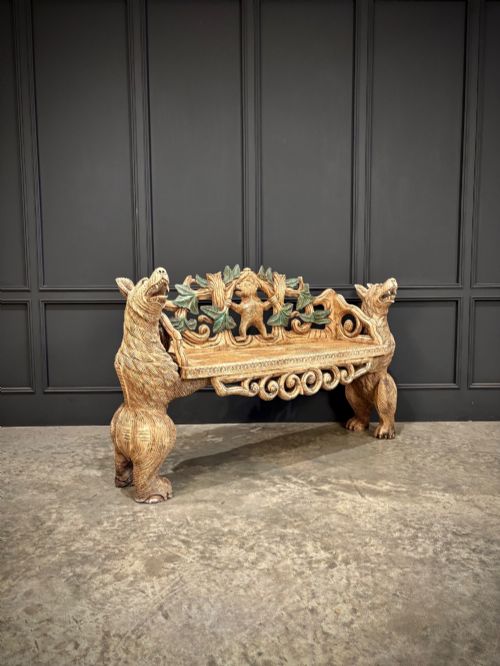
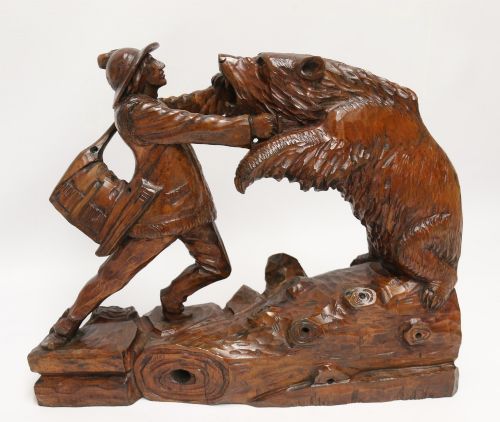
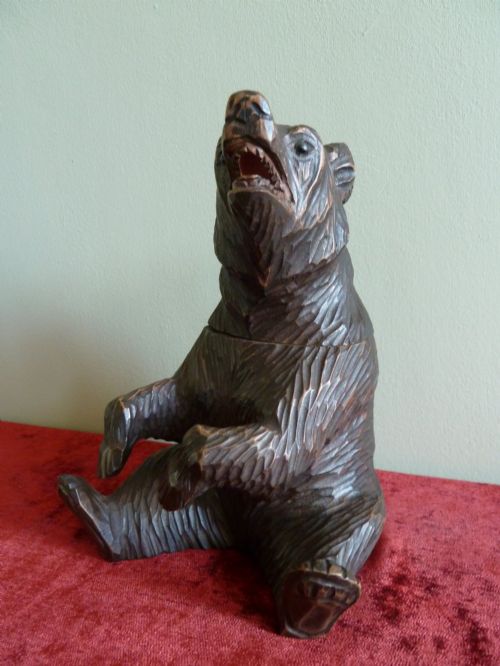
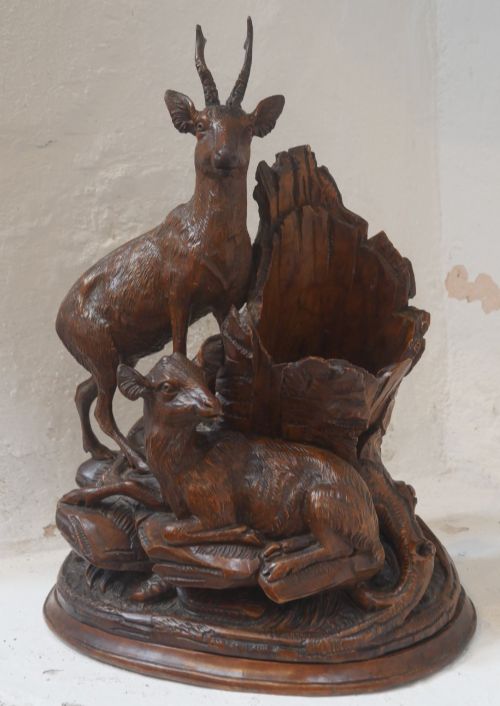
You are most likely to meet bears taking human forms, such as sitting on benches or holding card trays, alongside birds of prey and realistic mountain goats.
Materials and Carving Techniques
Carvers predominantly utilised linden wood, lime wood and walnut, choosing timbers with fine grain and minimal splitting that allowed for deep, undercut foliage and fur details.
Makers shaped the pieces using specialised gouges and chisels to render realistic textures of animal pelts, feathers and naturalistic rock formations.
Certain works incorporate glass eyes, brass elements and marquetry inlay to enhance the expressive quality of the animals.
Swiss Black Forest Carving Retail Price Guide 2026
Typical asking prices for swiss black forest carving among the pieces listed under this phrase on Sellingantiques today, from the lower quarter to the upper quarter. They describe what is for sale here now, not the wider market.
Bears take on surprisingly domestic habits here, sitting on two-seat benches and holding match holders.
Judging Quality in Carvings
Depth of relief and anatomical proportion separate standard workshop output from exceptional artistry, particularly in the rendering of musculature and fur texture.
The integration of functional utility into sculptural form, such as in heavily carved hall stands or pivoting bookends, dictates the complexity of the piece.
Signatures, stamps and original surface patination elevate individual sculptures from anonymous tourist souvenirs to documented works of art.
J HUGGLER
The Swiss Black Forest Carving Glossary
- Linden wood
- A pale timber with a straight grain favored by carvers for its softness and resistance to splitting during intricate work.
- Grand Tour
- A cultural journey undertaken by nineteenth-century travellers who collected carved wooden souvenirs and animal figures as mementos.
- Humidor
- A specialised box or container designed to store cigars, frequently decorated with carved wildlife and foliage.
- Inlay
- A decorative technique where contrasting woods or materials are fitted into the surface of a table or box to create patterns.
- Stumpwork
- A style of carving where animals are depicted perched upon or emerging from realistic tree trunks and roots.
Swiss Black Forest Carving: Frequently Asked Questions
What animals appear most often?
Bears dominate the category, appearing as freestanding figures, bookends and hall stands.
Eagles, owls, stags and mountain goats also frequently populate the animal groups and wall mirrors.
How were these items used?
Many pieces served a direct domestic purpose while doubling as decorative sculpture, including tobacco holders, inkwells and nutcrackers.
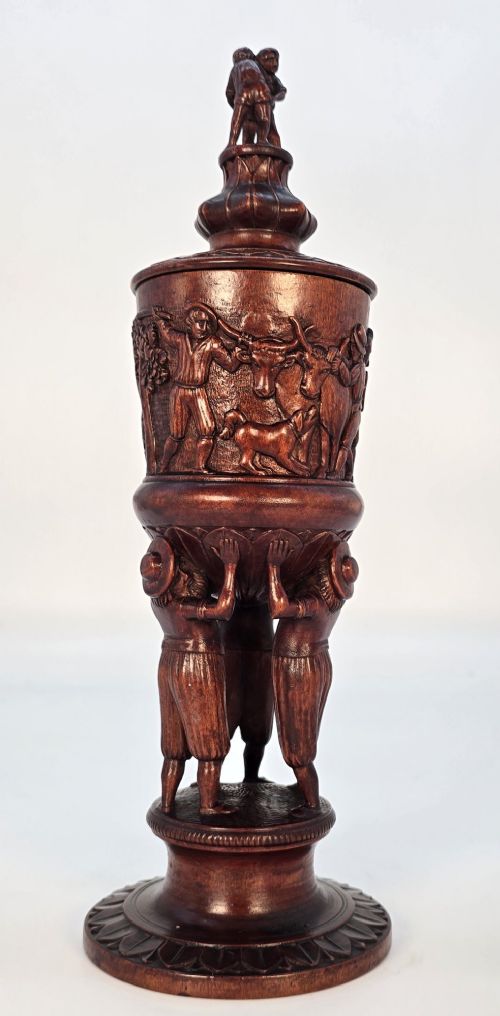
Larger items like hall stands and stick stands provided practical utility in hallways alongside purely aesthetic figures and chalices.
Where were they made?
Production centred primarily in Switzerland, particularly around Brienz, as well as the Black Forest region in Germany.
Carvers in these areas produced works for local markets and travelling tourists during the nineteenth and early twentieth centuries.
How do I spot a signature?
Carvers occasionally stamped their names into the underside or base of larger animal groups and figures.
Maker marks such as stamps provide direct attribution to specific Swiss workshops.