

19th Century Wood Panel
A 19th century wood panel brings tangible texture and historical depth into a room through carved architectural fragments, painted artistry, and fitted furniture.
19th Century Wood Panel
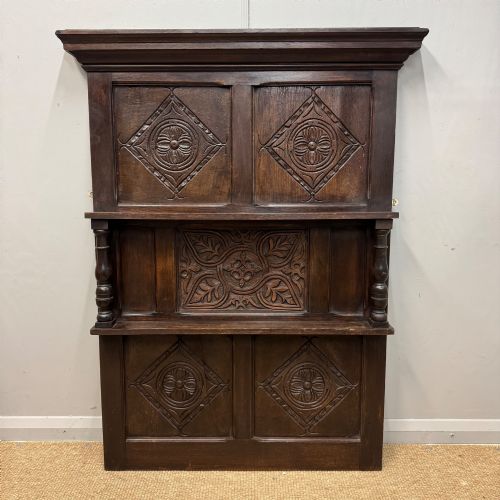
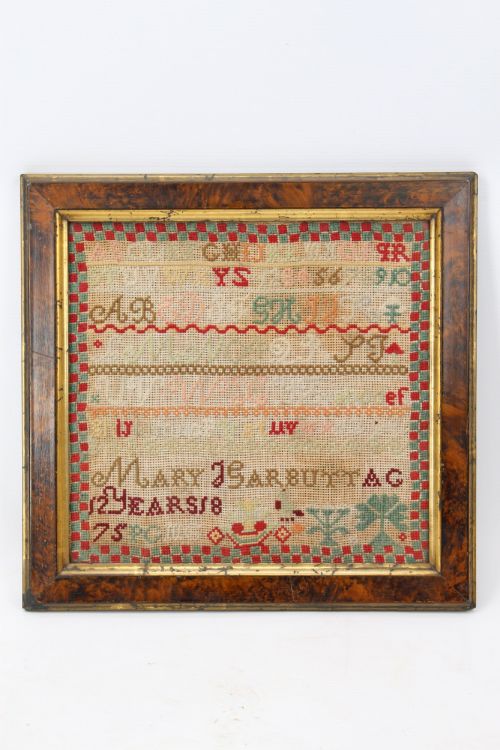
When you search for a 19th century wood panel, you encounter a diverse group of items spanning oil paintings on wooden boards, carved architectural sections, and decorated furniture components. These pieces originate from various European, British, and Asian traditions, reflecting the eclectic tastes of the period.
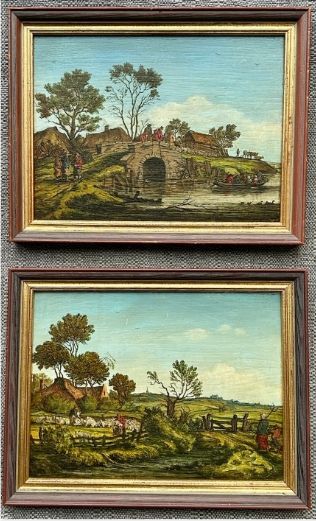
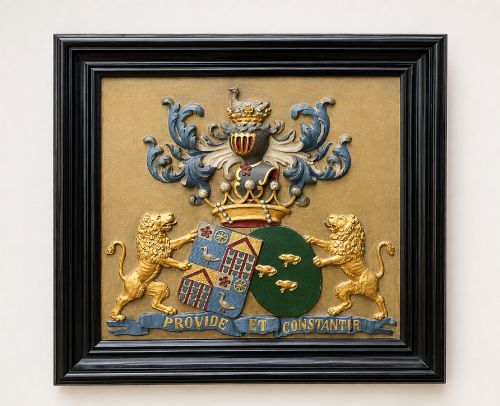
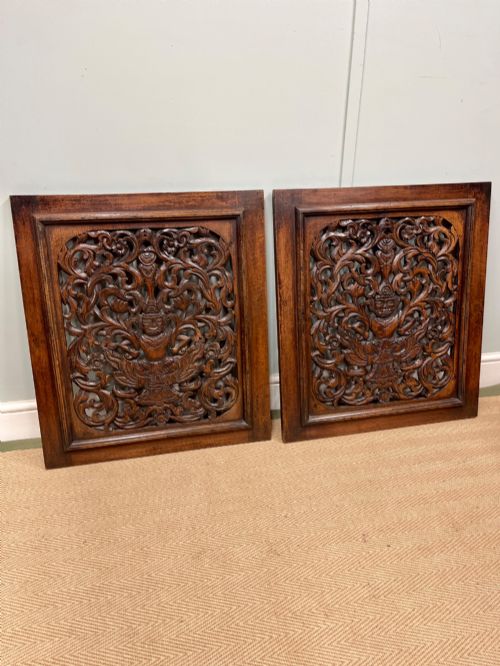
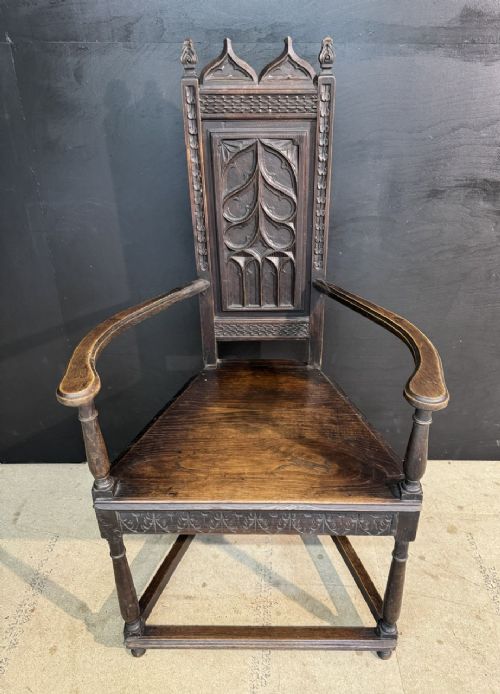
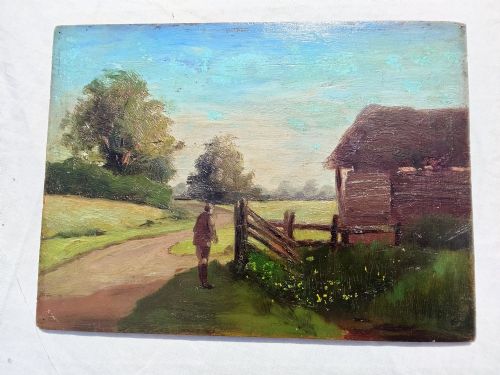
The selection on this page frequently includes small-scale oil paintings executed directly on wooden boards or panels, depicting landscapes, portraits, and still lifes. Alongside these painted works, buyers often discover carved wooden plaques, heraldic panels, and architectural fragments salvaged from period interiors.
Makers and artists utilised sturdy timbers as a stable base for detailed brushwork or deep sculptural relief. Whether framing a pastoral landscape or forming part of a larger cabinet door, these panels demonstrate the versatility of wood as a primary artistic medium during the nineteenth century.
How they were made
Artisans prepared wooden panels using dense domestic and exotic hardwoods such as oak, mahogany, walnut, and rosewood, ensuring a stable ground that resisted the warping common in softer timbers. Painters applied oil colours directly to these prepared wooden boards, sometimes utilising the natural grain to add texture to skies or foliage.
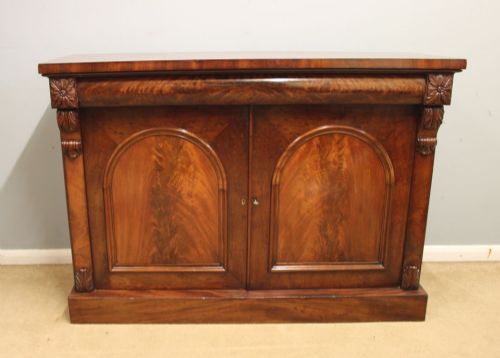
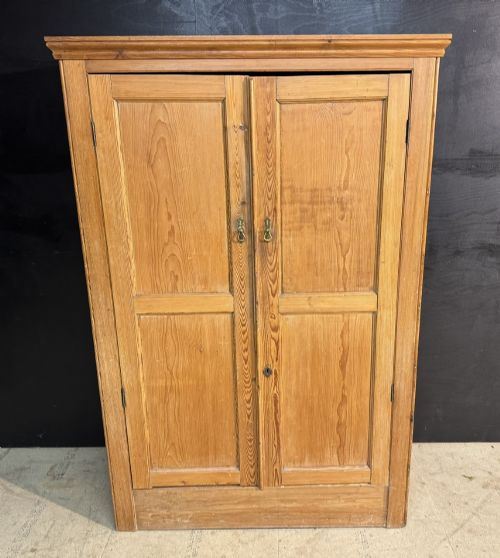
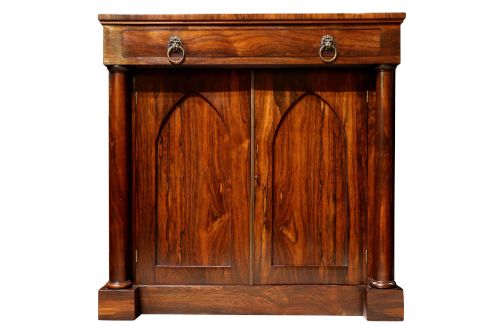
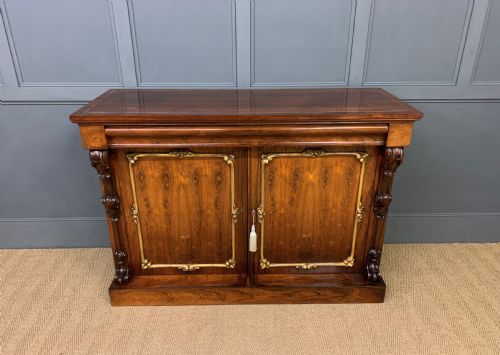
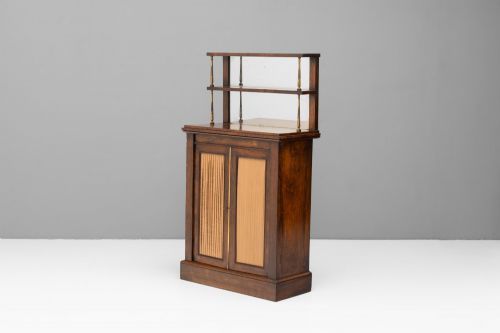
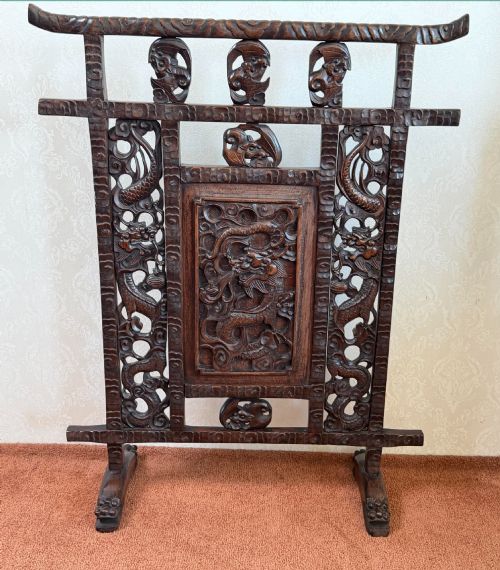
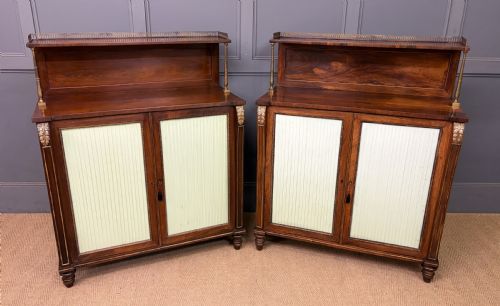
Carvers employed hand chisels and gouges to create high-relief architectural panels, heraldic plaques, and decorative friezes with intricate depth. Carpenters then integrated these panels into larger furnishings, including side cabinets, chiffoniers, and overmantel mirrors, securing them with traditional joinery methods.
The archive records pieces from the Regency, Victorian, and Georgian periods alongside 19th-century works.
What varies in quality
The quality of a painted wooden panel depends upon the fineness of the brushwork, the expressiveness of the figures, and the stability of the underlying timber. Signed works by documented artists or skilled regional schools command greater attention due to their compositional balance and preserved pigment.
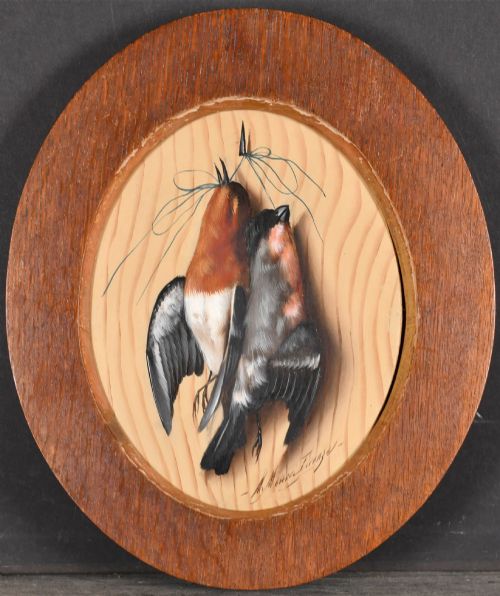
In carved panels and fitted furniture, quality reveals itself through the crispness of the chisel work and the depth of the relief. Items displaying well-defined details, such as feathered birds, heraldic precision, or complex architectural mouldings, represent the higher tier of nineteenth-century craftsmanship.
W Klombeck·Michelangelo Meucci·William Etty·James Kyd·Francesco Gioli
The 19th Century Wood Panel Glossary
- Oil on panel
- A painting executed on a wooden support rather than canvas. This method provides a rigid surface that allows for minute detail and smooth blending of pigments.
- Chiffonier
- A small sideboard or cabinet featuring shelves or cupboards enclosed by doors. These pieces frequently incorporated panelled woodwork and crossbanded veneers.
- Trumeau
- A decorative wall mirror or panel featuring a painted or carved scene placed above the glass. This French interior style gained popularity across nineteenth-century homes.
- Heraldic panel
- A carved or painted wooden board displaying armorial bearings or family crests. These items often commemorated marriages, alliances, or lineage.
- Overmantel
- A large mirror or decorative panel designed to be hung specifically above a fireplace mantelpiece. They often featured giltwood frames and intricate top details.
19th Century Wood Panel: Frequently Asked Questions
How were wooden panels used in 19th-century interiors?
Makers integrated wooden panels into larger architectural schemes, furniture doors, and overmantel frames to add warmth and texture to formal rooms.
Artists also utilised portable wooden boards for oil paintings, which patrons displayed directly on walls or mounted within ornate giltwood frames.
Are oil paintings on wood better than canvas?
Wooden panels offered artists a completely rigid surface that did not slacken over time, permitting exceptionally fine brushwork and detailed miniature compositions.
Because wood responds to humidity changes differently than canvas, these panels required careful seasoning by the maker to prevent splitting.
How should I care for an antique wood panel?
Keep wooden items away from direct heat sources and sudden temperature shifts to prevent the timber from drying out and cracking.
Apply a light, appropriate wax polish sparingly to maintain the finish without building up heavy residues on carved or painted surfaces.
Can I hang a heavy carved wood panel safely?
Assess the weight of the panel and ensure you use appropriate wall anchors or professional picture-hanging brackets secured into wall studs.
Many architectural panels were originally built into walls, so adding secure, weight-bearing hardware on the back is essential for safe display.