

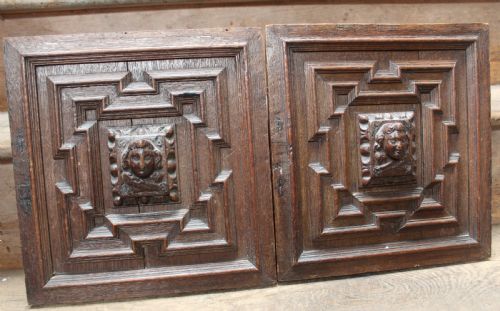
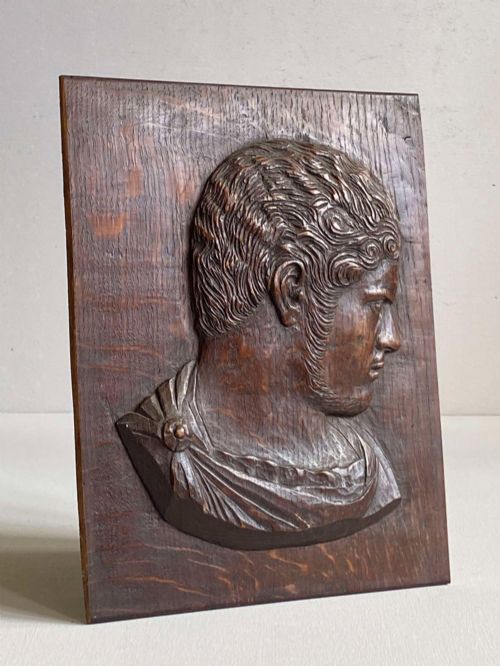
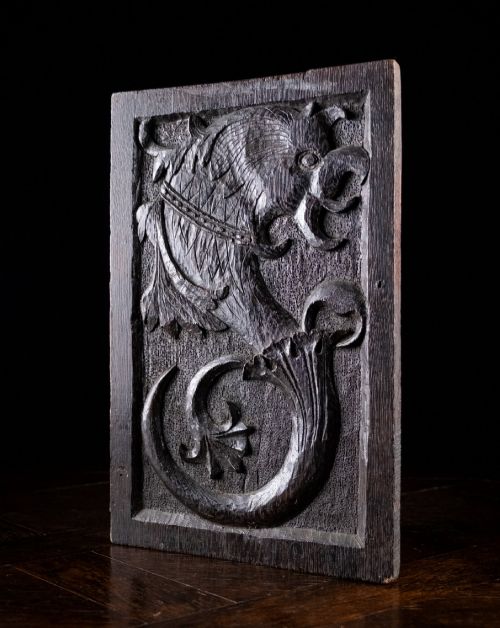
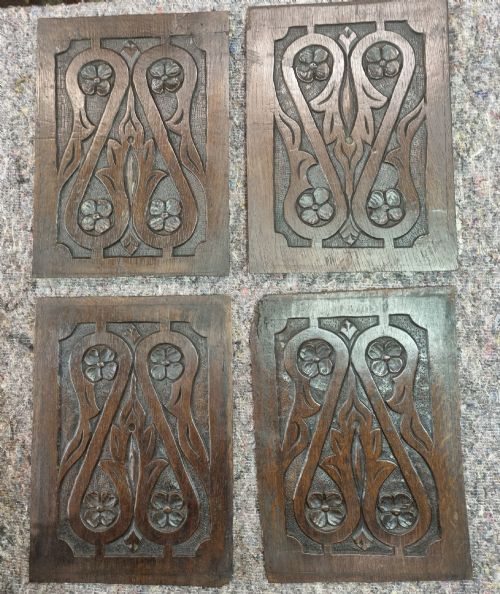

Carved Oak Wall Plaque
These carved oak wall plaque pieces bring centuries of historic timber relief and architectural character straight to interior walls.
Carved Oak Wall Plaque
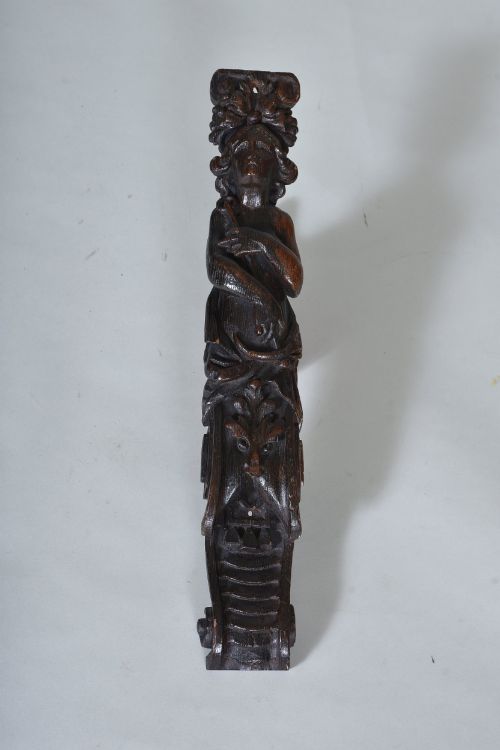
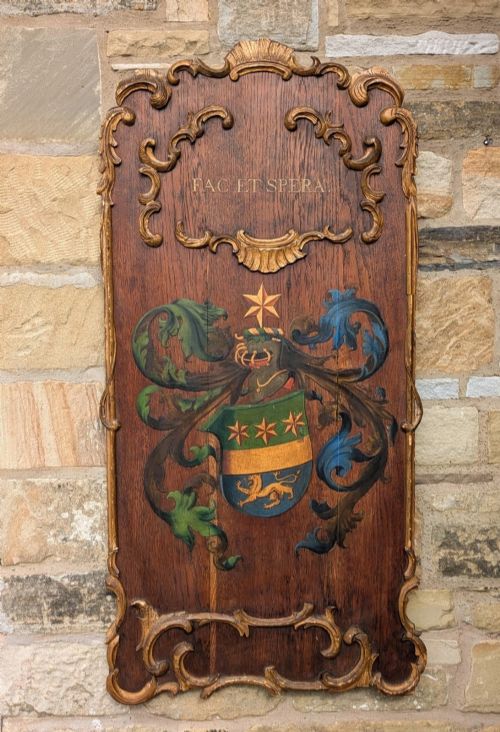
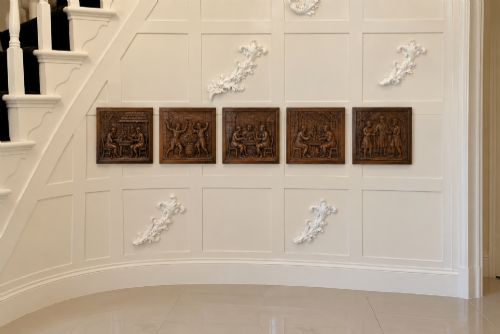
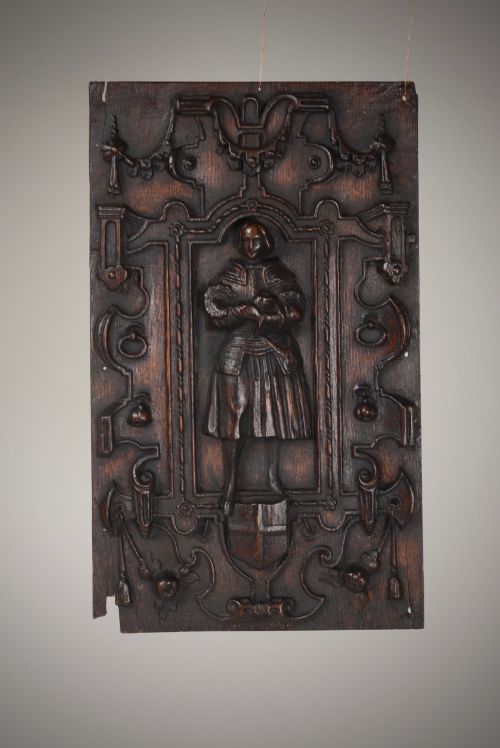
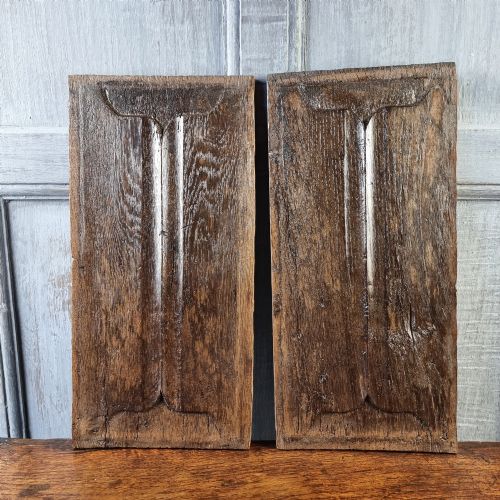
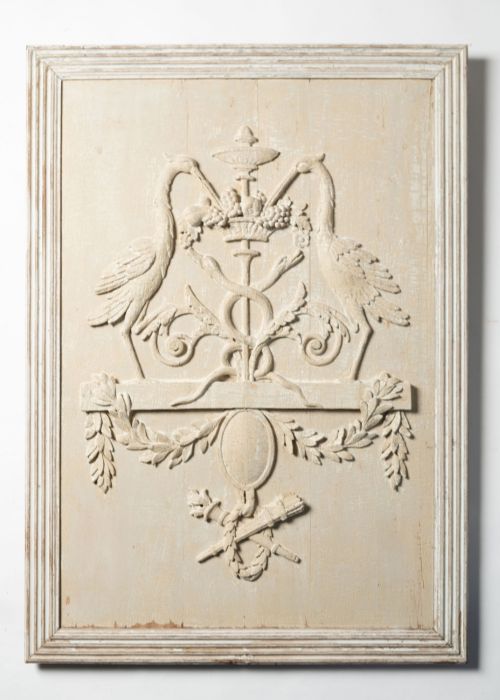
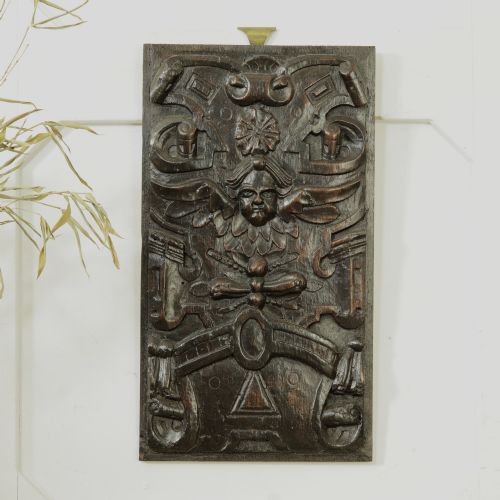
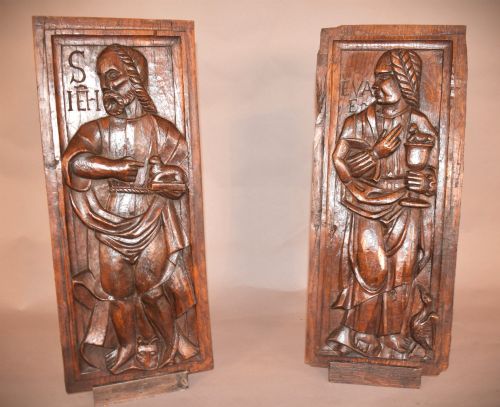
A carved oak wall plaque represents a solid timber fragment, panel, or architectural salvage piece shaped into relief sculpture. When you search for this phrase, you meet items spanning from the sixteenth century through the nineteenth century, taking the form of wall plaques, panels, reliefs, and sculptural shields.
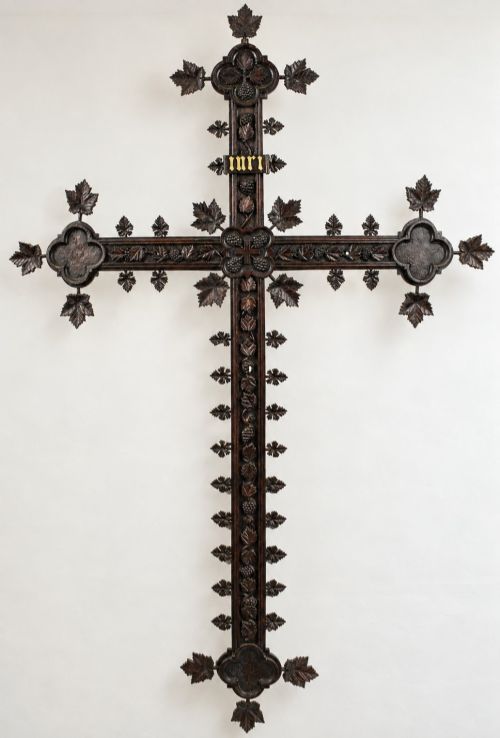
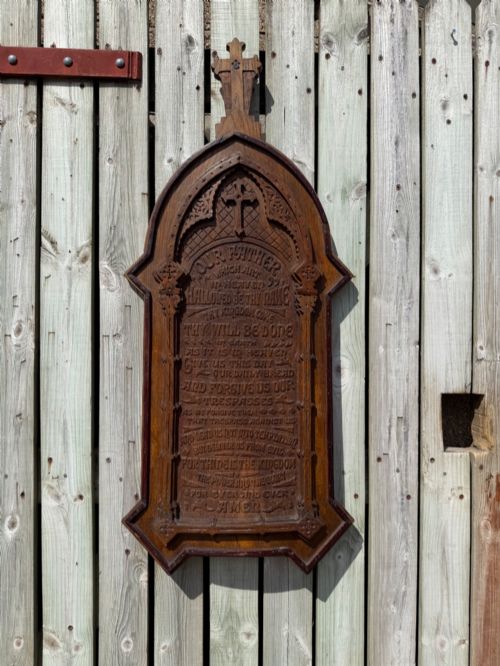
The selection ranges from early geometric linenfold designs and religious iconography to Baroque allegories, heraldic crests, and nineteenth-century Gothic Revival revivals. Many pieces originate as salvaged architectural elements, repurposed furniture components, or dedicated wall art created to display figural and decorative carving.
What varies in quality
Quality rests upon the crispness of the chisel work and the depth of the relief sculpture. Master carvers achieved anatomical proportion and fluid drapery in figures like cherubs, saints, and heraldic lions, whereas lesser examples show stiff proportions and shallow, hurried incisions.
The integrity of the timber itself and the preservation of the original carved surface dictate the standing of a piece. Surfaces that retain their early patina without excessive later sanding command greater respect among collectors of historic woodwork.
Carved Oak Wall Plaque Retail Price Guide 2026
Typical asking prices for carved oak wall plaque among the pieces listed under this phrase on Sellingantiques today, from the lower quarter to the upper quarter. They describe what is for sale here now, not the wider market.
A grinning Green Man peers out from sixteenth-century foliage alongside a seventeenth-century chicken thief caught in the act.
The Carved Oak Wall Plaque Glossary
- Linenfold
- A style of relief carving imitating folded linen fabric, commonly seen on sixteenth-century panels. This linenfold motif gives flat wooden surfaces a textile-like texture.
- High-Relief
- Carving where the figures project significantly from the background timber. This high-relief technique creates strong shadows and three-dimensional depth.
- Green Man
- A sculptural face depicted carved with leaves, branches, or vines issuing from its mouth. This pagan architectural motif symbolizes rebirth and spring.
- Acanthus
- A classical Mediterranean plant leaf ornamentation utilised extensively in Baroque and Renaissance design. Carvers rendered these acanthus scrolls with deep, piercing undercut techniques.
- Armorial
- Relating to heraldry, coats of arms, and family crests. An armorial plaque displays specific familial or institutional lineage through carved shields and symbols.
Carved Oak Wall Plaque: Frequently Asked Questions
How old is my carved oak wall plaque?
Age is determined by stylistic clues, tool marks on the reverse, and the characteristics of the oak timber. Sixteenth and seventeenth-century pieces display different joinery and simpler hand-chamfered edges compared to Victorian Gothic revivals.
Examine the back of the panel for adze marks, hand-sawn board textures, and the colour of the wood oxidation. Historic panels often show shrinkage cracks and fastener holes consistent with centuries of movement.
Where were these wooden plaques originally displayed?
Many items originated as structural woodwork inside churches, manor houses, and civic buildings. They formed parts of wall panelling, choir stalls, furniture fronts, and architectural chimney pieces before being salvaged.
Later nineteenth-century interpretations were produced specifically as decorative wall art for domestic interiors. These decorative plaques often included hanging loops or fitted brass frames for display.
How should I clean carved oak?
Maintain the surface by dusting gently with a dry, soft-bristled brush to remove particles trapped within the carved recesses. Avoid using liquid cleaners, polishes, or abrasive cloths that can strip the historic wax and dry out the timber.
Applying microcrystalline wax sparingly once every few years helps protect dry oak surfaces. Keep the panel away from direct heat sources and dramatic humidity fluctuations to prevent splitting.