




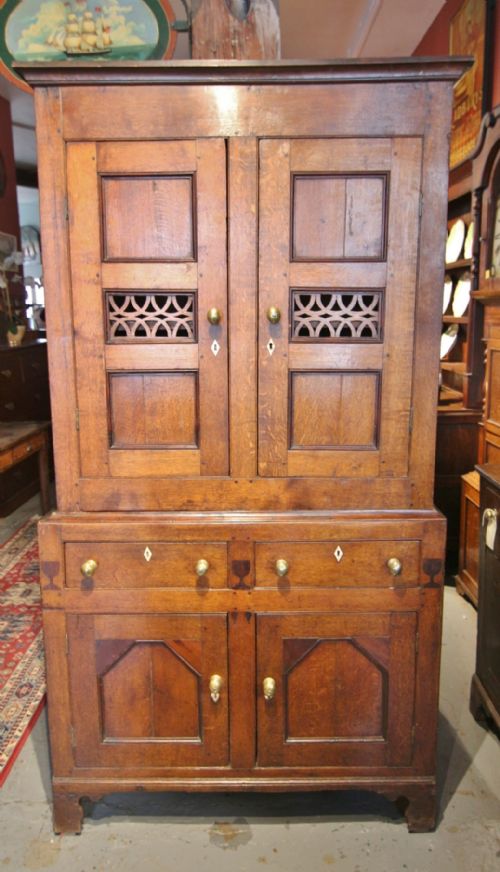
Victorian Carved Oak Panel
When you search for a victorian carved oak panel, you enter a world of dense foliage, mythological beasts, and ecclesiastical tracery hewn from solid timber.
Victorian Carved Oak Panel
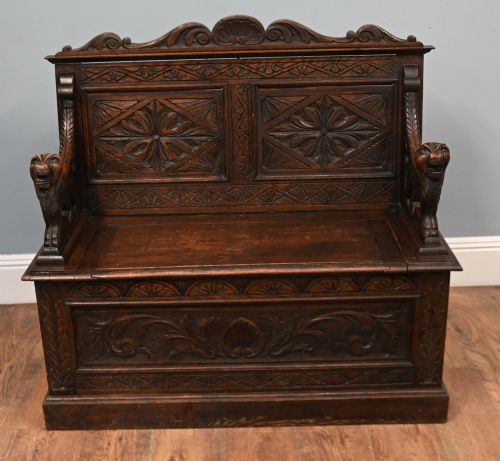
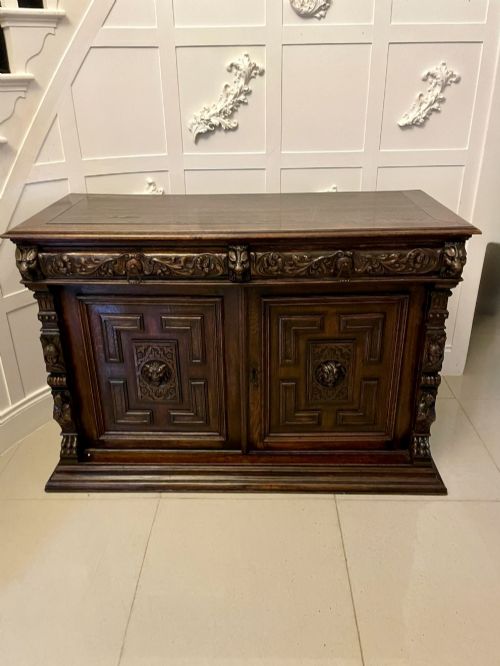
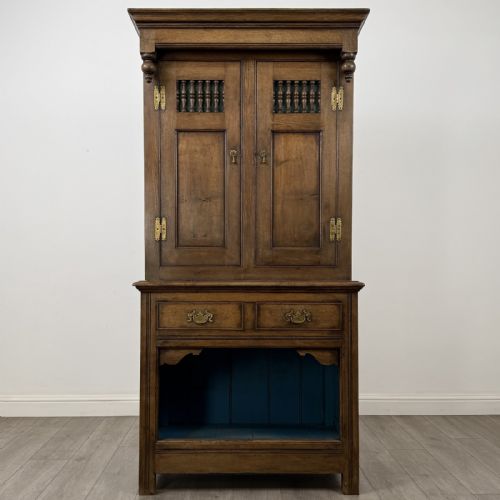
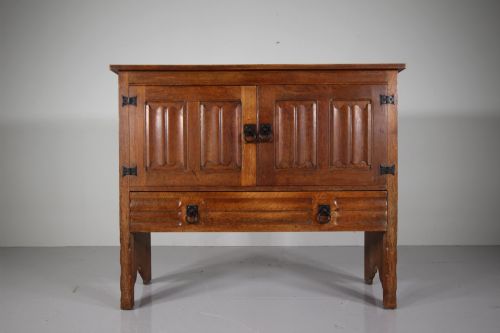
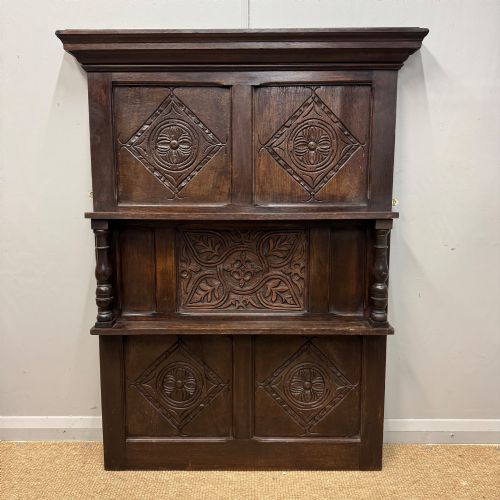
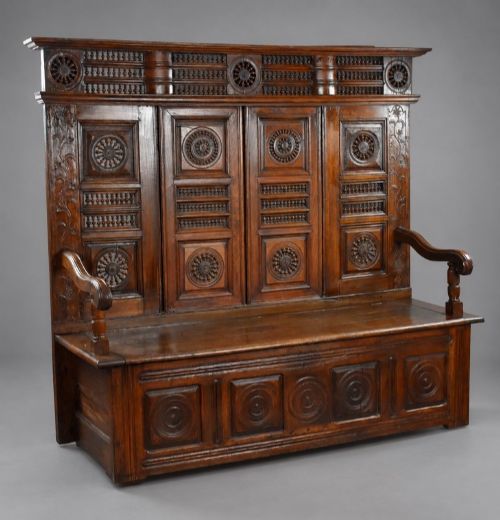
A victorian carved oak panel represents the period's intense enthusiasm for historical revivals, frequently drawing upon Gothic, Jacobean, and Renaissance motifs. These panels appear both as independent architectural salvage and as integral components of larger furnishings such as overmantels, settle fronts, church screens, and wall plaques.
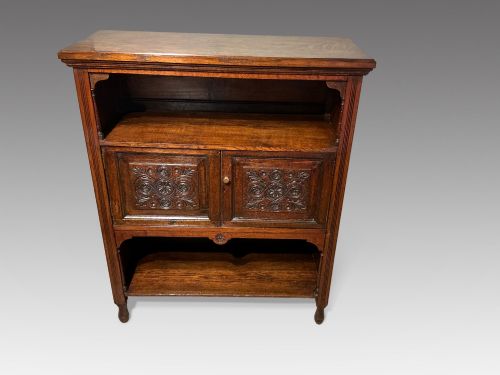
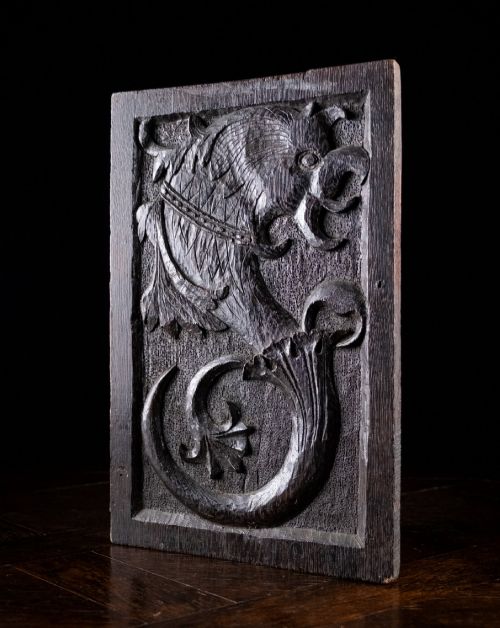
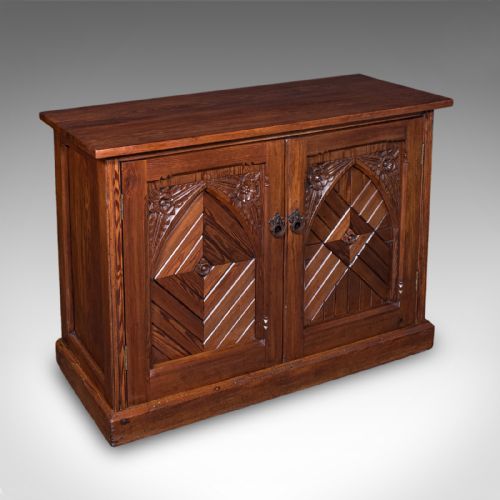
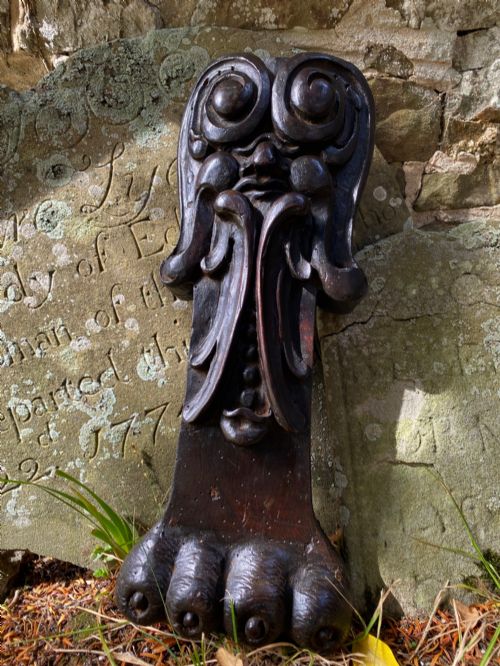
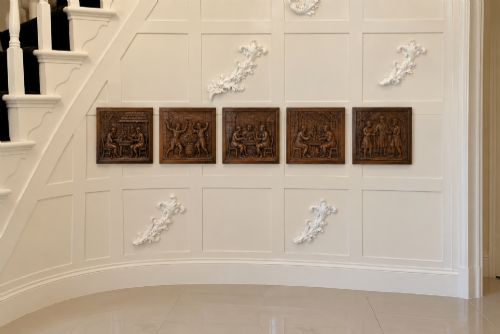
The most prevalent examples on this page are architectural elements salvaged from period interiors or church refurbishments, alongside carved cupboard doors and decorative wall panels depicting traditional subjects like the Green Man, heraldic beasts, and foliate scrolls.
Makers often adopted 17th-century manners, creating new woodwork that echoed earlier centuries through deep relief carving and darkened waxed finishes.
Materials and Techniques
Craftsmen relied primarily on domestic and imported oak, selecting timber with strong medullary rays for durability and visual depth before applying hand-carving techniques using gouges and chisels. Secondary woods such as fruitwood or walnut occasionally appear in related cabinetry.
Surface preparation involved traditional waxing or polishing to accentuate the natural grain and the dark patination valued during the period. Additional materials like brass, glass, iron, and fabric are integrated into cabinets, firescreens, and settles that incorporate these carved panels.
Victorian Carved Oak Panel Retail Price Guide 2026
Typical asking prices for victorian carved oak panel among the pieces listed under this phrase on Sellingantiques today, from the lower quarter to the upper quarter. They describe what is for sale here now, not the wider market.
The design styles span Gothic Revival, Jacobean Revival, Renaissance Revival, French Rococo, and Welsh Vernacular traditions.
Factors of Quality
Compositional balance and the integrity of the timber also dictate value, with master carvers avoiding awkward proportions or excessive splitting in wide boards. Integration into original furniture, such as sideboards, settles, and architectural overmantels, preserves context better than isolated fragments.
Edwards and Roberts
The Victorian Carved Oak Panel Glossary
- Green Man
- A sculptural motif of a human face emerging from or entwined with foliage and vines. It symbolises rebirth and appears frequently in ecclesiastical and domestic woodwork.
- Tracery
- Openwork or cusped patterns in stone or wood, commonly found in Gothic Revival architecture. It mimics the delicate stonework of medieval cathedral windows.
- Wainscot
- Wooden panelling applied to the lower portion of interior walls. The term also describes chairs made with similar sturdy panel construction.
- Overmantel
- A decorative structure placed directly above a fireplace mantelpiece. These often incorporate large carved panels, mirrors, or painted surfaces.
- Poppyhead
- An ornamental finial carved on the top end of a bench pew in a church. They frequently take the form of stylised leaves, flowers, or figures.
- Pediment
- A triangular or curved architectural crown placed above doors, windows, or cabinets. In Victorian joinery, these are often richly carved with figural masks.
Victorian Carved Oak Panel: Frequently Asked Questions
Were these panels always part of furniture?
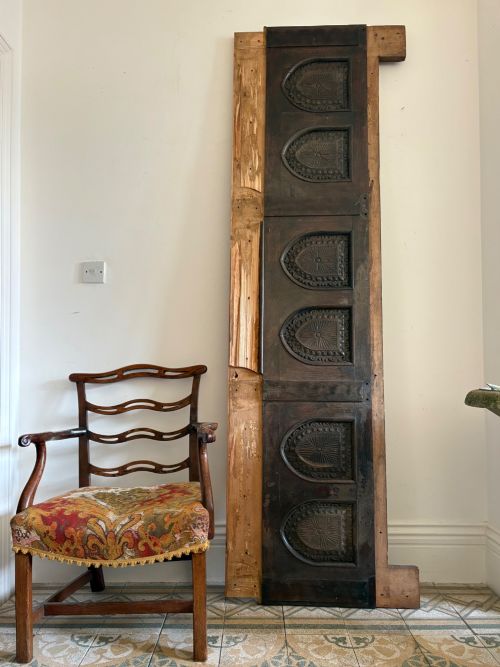
Many panels were originally created as structural elements for buildings, including wall panelling, church pews, door assemblies, and architectural overmantels. Others were carved specifically as decorative wall plaques or firescreens.
Over the decades, architectural salvage practices resulted in individual panels being removed from demolished interiors and mounted for display on walls.
How do I care for antique oak panels?
Maintain antique oak by keeping it away from direct heat sources and fluctuating humidity, which cause timber to warp and split. Apply a microcrystalline wax periodically to nourish the surface.
Avoid modern liquid polishes containing silicone, as they build up over time and dull the natural patina developed through decades of handling.
How can I tell the period of the carving?
Nineteenth-century carvers often emulated 17th-century Jacobean or Gothic styles, which can make dating challenging. Examine the tool marks on the reverse and edges; machine-sawn timber indicates a 19th-century date regardless of the archaic style of the carving on the front.
Furthermore, the quality of the timber preparation and the consistency of the wax finish help distinguish Victorian revivals from actual earlier work.